

For years, northern Israel has faced significant disparities in health care access and physician availability compared to other parts of the country. Residents of the North have fewer physicians per capita than those living in central Israel. Health care systems struggle to recruit and retain medical professionals. Many communities face longer wait times and reduced access to specialists.
These challenges did not begin with the current war. Nor will they disappear when the current security situation improves. In fact, the problem is becoming more acute.

Israel's population continues to grow, increasing demand for health care services across the country. At the same time, many physicians who arrived during the major wave of immigration from the former Soviet Union in the 1990s are reaching retirement age. For years, Israel also relied heavily on physicians educated abroad, many of whom trained in institutions that would not meet today's standards for medical education.
The result is a growing physician shortage that is already being felt throughout the health care system.
The impact is particularly pronounced in peripheral regions. This matters because health care is not simply a medical issue. It is a regional development issue.
Families considering where to live want access to quality health care. Businesses seeking to invest in a region want confidence in local infrastructure and services. Young professionals deciding where to build their futures consider the strength of local hospitals, clinics, and educational institutions.
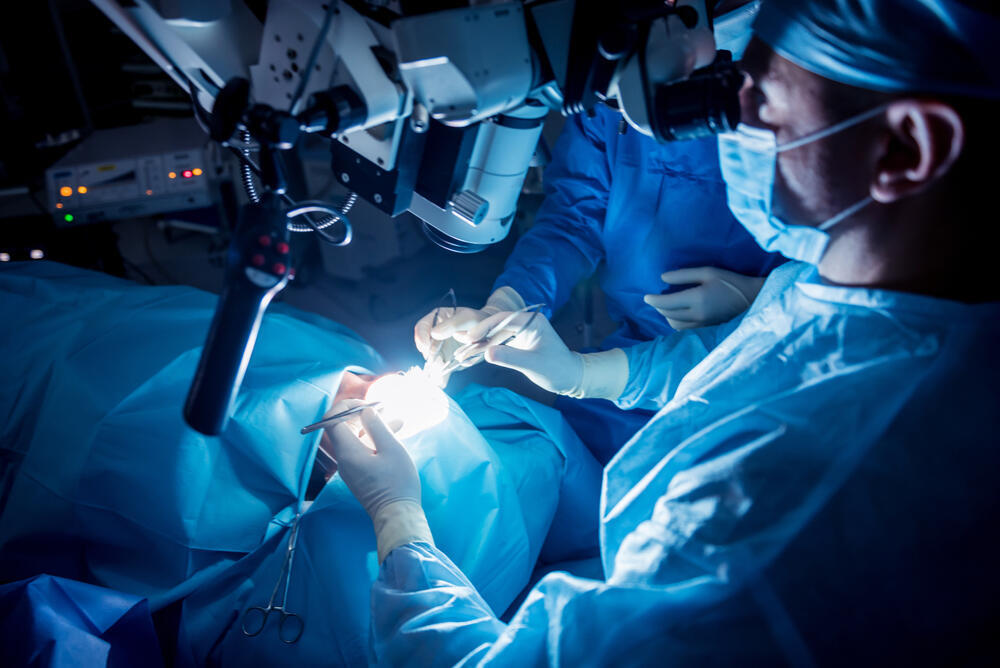
(Photo: Shutterstock)
A thriving North requires more than roads, housing, and security. It requires a health care system capable of supporting growing communities for decades to come.
This reality was one of the driving forces behind the establishment of the Herta and Paul Amir School of Medicine at the University of Haifa.
The goal is not simply to train more doctors. Israel certainly needs more physicians, but numbers alone will not solve the challenge facing northern Israel.
The larger objective is to build a sustainable pipeline of medical professionals who train in the North, gain clinical experience in the North, complete their residencies in the North, and ultimately choose to build their careers in the North.
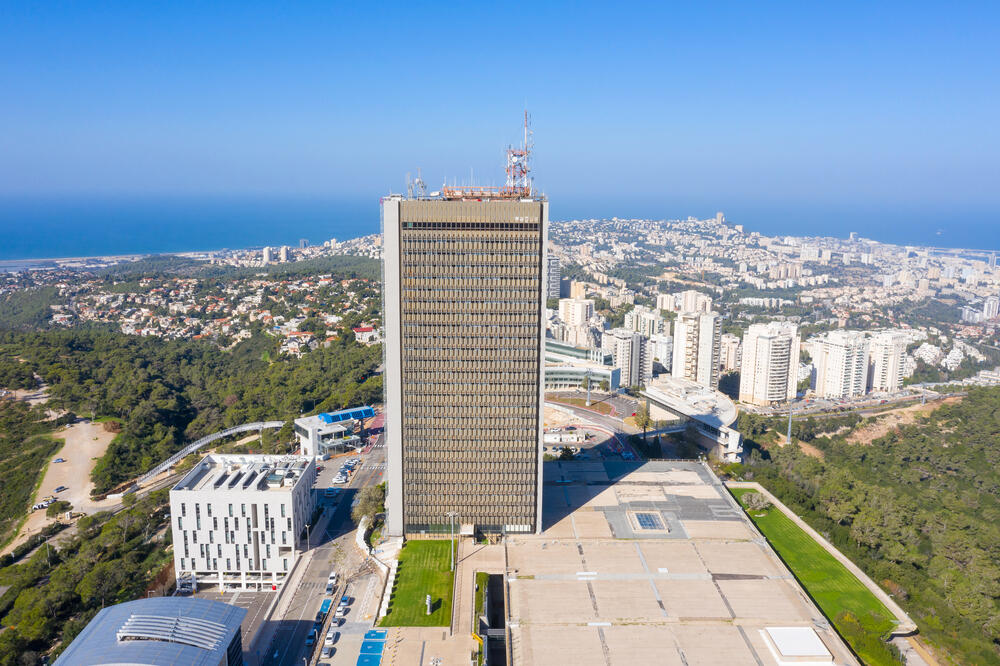
University of Haifa
(Photo: Shutterstock)
Research consistently shows that physicians are more likely to practice near where they train. If we want more doctors serving communities in the Galilee and across northern Israel, we must create opportunities for them to study, work, and establish roots there.
That is why our model places a strong emphasis on partnerships with hospitals and community health care providers throughout the region. Students are exposed not only to hospital-based medicine but also to the community clinics where much of modern health care takes place. They gain firsthand experience with continuity of care and develop relationships with the institutions and communities they may one day serve.
When we opened applications for our inaugural class, more than 1,500 individuals applied for just 74 places. This year, we are seeing similar demand. The desire among young Israelis to pursue medicine remains strong. The challenge is creating enough opportunities to train them and ensuring those opportunities align with the country's most pressing needs.
There is another reason for optimism.

(Photo: Shutterstock)
Over the past year, I have had the privilege of working with our inaugural class of students. Many have balanced medical studies with reserve duty. Some have spent months moving between military service and the classroom. They have demonstrated resilience, commitment, and maturity far beyond their years.
Like so many young Israelis, they have been shaped by circumstances none of us would have chosen. Yet they have continued moving forward.
Their determination reminds me that while physician shortages are often discussed in terms of numbers, statistics, and workforce projections, health care ultimately remains a human endeavor.
The future of health care in northern Israel will not be defined by buildings or budgets alone. It will be defined by the people who choose to dedicate their lives to caring for others.
There will never be a perfect moment to launch a new medical school in Israel. But the challenges of recent years have made one thing abundantly clear: strengthening health care in northern Israel cannot wait.
If we want the North to thrive, we must invest not only in its security, but also in the physicians, hospitals, clinics, and health care leaders who will serve its communities for decades to come.
The work has already begun. The University of Haifa will ensure it continues.
- Prof. Haim Bitterman is Dean of the University of Haifa's Herta and Paul Amir School of Medicine.