

The U.S. Food and Drug Administration said it will review Moderna’s revised application for approval of a new influenza vaccine based on mRNA technology, best known from the COVID-19 vaccines — just a week after it declined to even open a review of the original filing.
The about-face sent Moderna’s shares up 6% on Wednesday, after they had fallen about 12% following the initial rejection.
Gallery
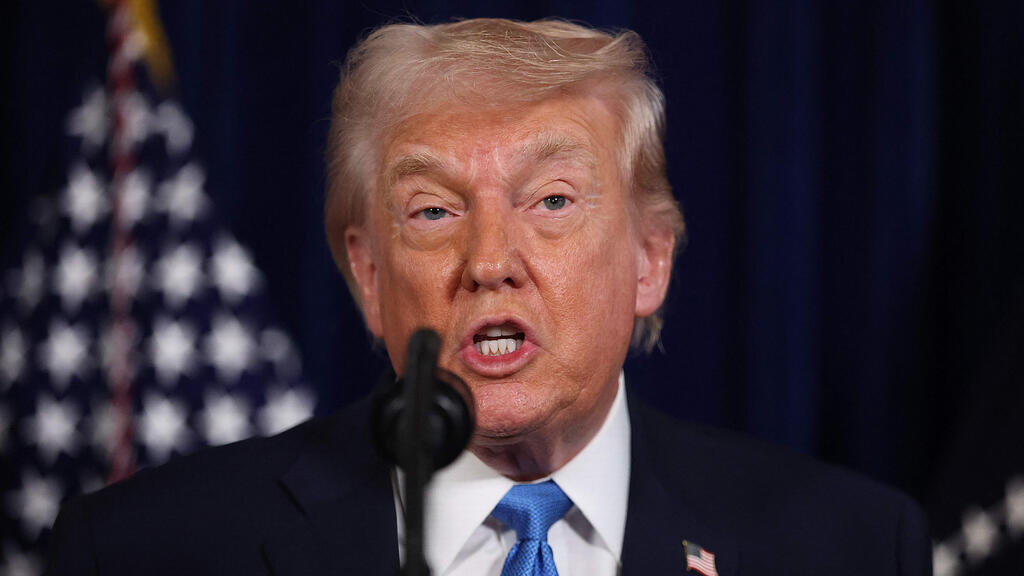
Was Trump involved in the FDA’s reversal?
(Photo: JOE RAEDLE / GETTY IMAGES NORTH AMERICA / AFP)
According to Politico, the FDA’s reversal came after President Donald Trump summoned FDA Commissioner Marty Makary to the White House on Thursday — just two days after Moderna disclosed the contents of the rejection letter — and expressed frustration with the agency’s vaccine policy.
Sources familiar with the meeting said a subsequent sit-down between Moderna and FDA officials was scheduled with unusual speed and “gave them a public way out of the corner,” as one source put it.
The White House denied that Trump intervened in the agency’s decision. “Nothing the FDA has done recently on this issue was pre-coordinated,” a senior White House official said. The backdrop includes reports that Republicans are seeking to soften criticism of the administration’s vaccine policies ahead of the midterm elections, as polls show broad public support for vaccines.
At the center of the dispute was a large-scale clinical trial conducted by Moderna with about 40,000 participants. The study evaluated the effectiveness of its new flu vaccine, mRNA-1010, and found it more effective among adults 50 and older compared with a standard seasonal flu shot.
However, the FDA’s top vaccine official, Dr. Vinay Prasad, determined that the trial did not meet the required standard because the comparison was made against a regular-dose vaccine rather than a high-dose version recommended for people 65 and older.
Moderna strongly rejected the criticism, saying the FDA had approved the trial protocol before it began about 18 months ago. The company added that it had submitted additional data from a separate study comparing its vaccine to a high-dose shot.
“There should not be controversy around reviewing a flu vaccine application when the study design was agreed upon with the regulator before it started,” Moderna CEO Stéphane Bancel said.
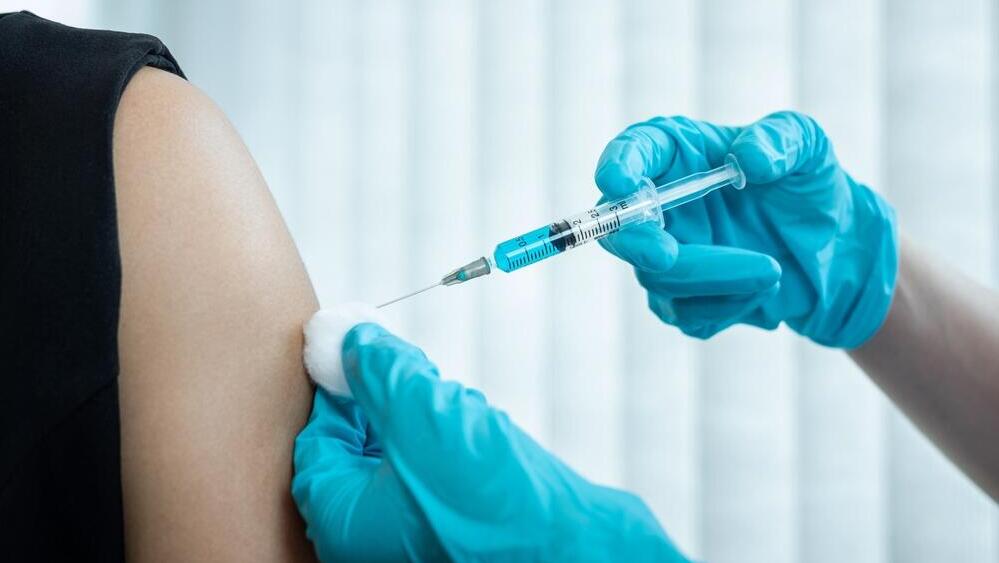
Moderna has a new flu vaccine in the pipeline, but the road to approval has been rocky
(Photo: Shutterstock)
After a meeting Tuesday between Moderna and FDA officials, the sides agreed on a revised regulatory approach. Moderna will seek full approval for adults ages 50 to 64 and accelerated approval for those 65 and older, with the latter contingent on a post-marketing study. The FDA is expected to decide by Aug. 5, and the vaccine could be available for the 2026-27 flu season.
Dr. Jesse Goodman, a former FDA chief scientist, said the final approach is “very reasonable,” but added that the path to reach it was “a very poorly managed process.” If the FDA had ethical concerns about the trial design, he said, it should have intervened before Moderna conducted the study.
The clash between Moderna and the FDA comes amid a regulatory climate shaped by Health Secretary Robert F. Kennedy Jr., who has previously voiced opposition to vaccines in general and to mRNA technology in particular. Under his leadership, the FDA has narrowed recommendations for COVID-19 vaccines, added new warnings to mRNA shots and dismissed experts who criticized the policy. Kennedy has also canceled more than $500 million in contracts for mRNA vaccine development.
An analyst at Leerink Partners said Moderna’s decision to publicly disclose the contents of the FDA’s rejection letter suggests companies have tools to exert public pressure against mRNA skeptics within the agency. Another analyst at Citi said the move “restores a revenue source that had been in limbo.”
Moderna has also filed for approval of the vaccine in the European Union, Canada and Australia.