

Maca (Lepidium meyenii), also known as “Peruvian ginseng” even though it does not botanically belong to the ginseng family, grows in the extreme conditions of Peru’s Andes Mountains at elevations of about 4,000 meters above sea level.
Ancient Inca culture attributed great power to the root. For example, warriors would eat it before going into battle to increase their strength and physical endurance.
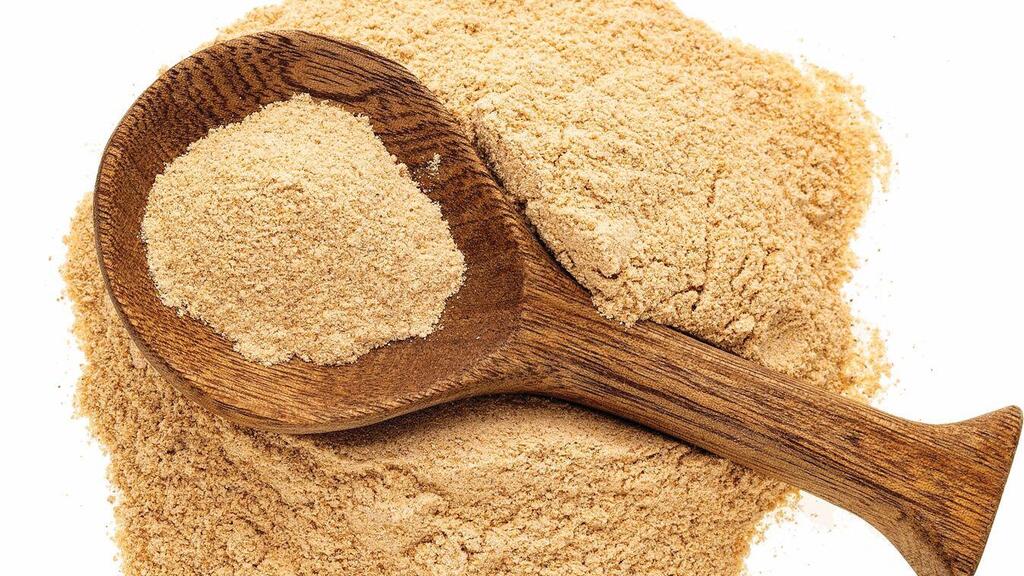
Maca (Lepidium meyenii), also known as 'Peruvian ginseng grows in the extreme conditions of Peru’s Andes Mountains
(Photo: Shutterstock)
Today, three main varieties are identified by the color of their skin: black maca, which is associated with improved memory and male fertility; red maca, which is rich in antioxidants and used mainly to support hormonal balance in women; and yellow maca, the most common variety, used for general strengthening of the body.
According to clinical medicine:
Maca acts as an adaptogenic plant — it does not itself contain hormones, but may help regulate the HPA axis, the hypothalamic-pituitary-adrenal axis, and reduce markers of stress.
It may significantly improve sexual desire and function, without directly changing estrogen or testosterone levels in the blood.
The black variety is particularly rich in unique compounds that may contribute to improved memory, protection of nerve cells and better muscular endurance.
According to traditional medicine:
In the folk medicine of the Andes, the root was used to treat chronic fatigue, physical weakness and to support recovery after illness.
Historically, it was also used to increase fertility and sexual desire, or libido, in both women and men.
It may help ease menopausal symptoms, including hot flashes, mood changes and restlessness.
How is it used?
Capsules/dry extract: 1,500–3,000 mg per day, taken in two doses with meals.
Maca root powder: Half a teaspoon, or 3–5 grams, per day. It is recommended to add it to smoothies, oatmeal, yogurt or baked goods.
Caution!
Not recommended during pregnancy or breastfeeding.
Women with hormone-sensitive conditions such as breast cancer, uterine cancer or endometriosis should consult a doctor before use.
Not recommended for people with thyroid problems.
Note: When taking herbal remedies, consult your treating physician and make sure the supplement does not affect other medications or medical indicators.
The writer is a clinical dietitian and herbal medicine practitioner.