

A new medical school in Eilat is set to open by the end of the year, placing the southern city at the center of an ongoing debate about health care, higher education and regional development in Israel.
The initiative is led by Dr. Moshe Cohen, an entrepreneur who has been working with public and academic partners to establish the school. The project is backed by an investment of hundreds of millions of shekels and is built around a familiar problem: a shortage of doctors in Israel, alongside growing demand for medical studies among Israelis who often go abroad due to limited spots locally.

Prof. Hanna Leiba has been appointed as the incoming dean, and the school is expected to operate in cooperation with Hungary's Debrecen University. There are also early-stage regional partnerships being explored, part of an effort to position the institution as internationally connected from day one.
For Eilat, the implications go beyond education. The city has long relied on tourism, and local officials see the project as an opportunity to introduce a more stable economic layer. Students, academic staff, and related services could bring consistent activity throughout the year, rather than seasonal peaks.
Still, the project faces structural challenges. One of the main issues is staffing. Israel’s healthcare system is already stretched, and competition for qualified doctors and academic faculty is not limited to the domestic market. Recruiting professionals to a new institution in a geographically remote location may prove difficult, especially when larger hospitals and universities offer more established research environments.

3D rendering of the project
That challenge connects to a broader trend. In recent years, some Israeli doctors and researchers have chosen to build their careers abroad, citing better working conditions and research opportunities. Any new medical school, particularly one outside the country’s main academic centers, will have to operate within that reality.
There are also practical questions around clinical training. Medical education depends on close ties with hospitals and patient care systems. Eilat’s distance from major medical centers could require partnerships or rotations outside the city, which may affect how the program is structured.
The financial model adds another layer of uncertainty. Part of the plan relies on attracting international students, a competitive market where reputation plays a significant role. For a new institution, building that reputation will take time.
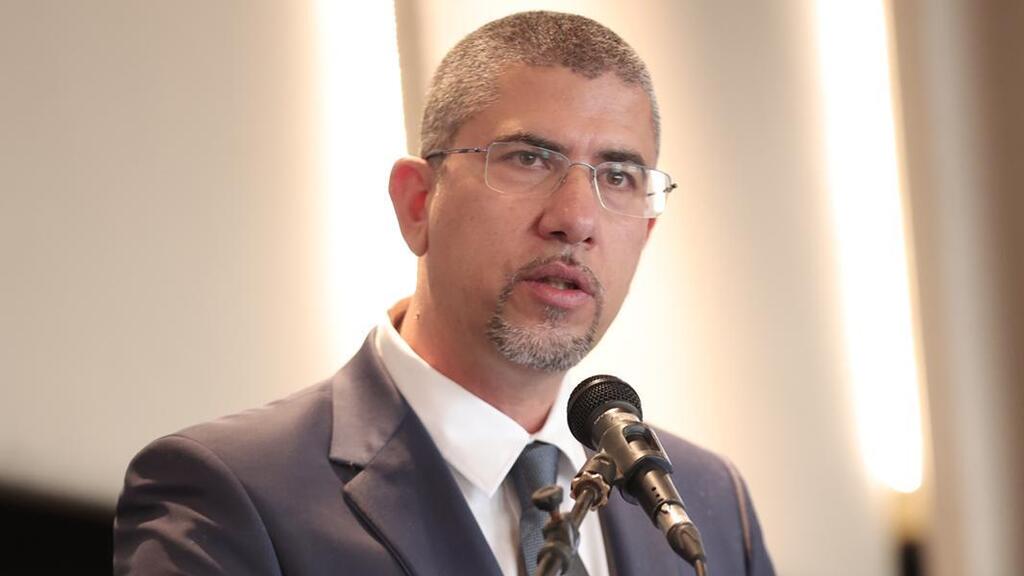
Dr. Moshe Cohen
At the same time, preparations on the ground are already visible. Infrastructure investments are underway, and local businesses are beginning to position themselves for an influx of students and staff. The project is moving forward, but its long-term impact will depend on execution.
The question is whether the Eilat medical school can establish itself as a viable addition to Israel’s healthcare and academic systems—or whether it will run into the same constraints that have limited similar efforts in the past.