

The Health Ministry on Tuesday ordered measles vaccinations for infants aged six months to one year in Jerusalem and Beit Shemesh due to a surging outbreak, ahead of the standard quadruple vaccine at age one.
The directive follows a letter to health funds and hospitals noting the outbreak’s rapid spread, with numerous patients, including several in critical condition. Four children were recently admitted to intensive care with measles complications, two requiring ECMO machines to support heart and lung function.
On Thursday, the ministry reported 12 hospitalized children under six, nearly all unvaccinated. Typically, the measles vaccine is part of the MMRV (measles, mumps, rubella, varicella) shot at one year, with a second dose at age six (first grade). To curb the outbreak concentrated in these cities, the ministry now mandates vaccinating infants as young as six months.
The Health Ministry’s letter, signed by Dr. Roee Singer, deputy head of the ministry's epidemiology unit, highlighted the risk to infants below the standard vaccination age, who are vulnerable to severe, potentially fatal measles complications.
In large families and densely populated areas, the chance of infection from siblings or other children is high. The decision followed discussions by the vaccine advisory committee, which recommended vaccinating infants aged six months to one year in Jerusalem and Beit Shemesh, alongside nationwide vaccination efforts.
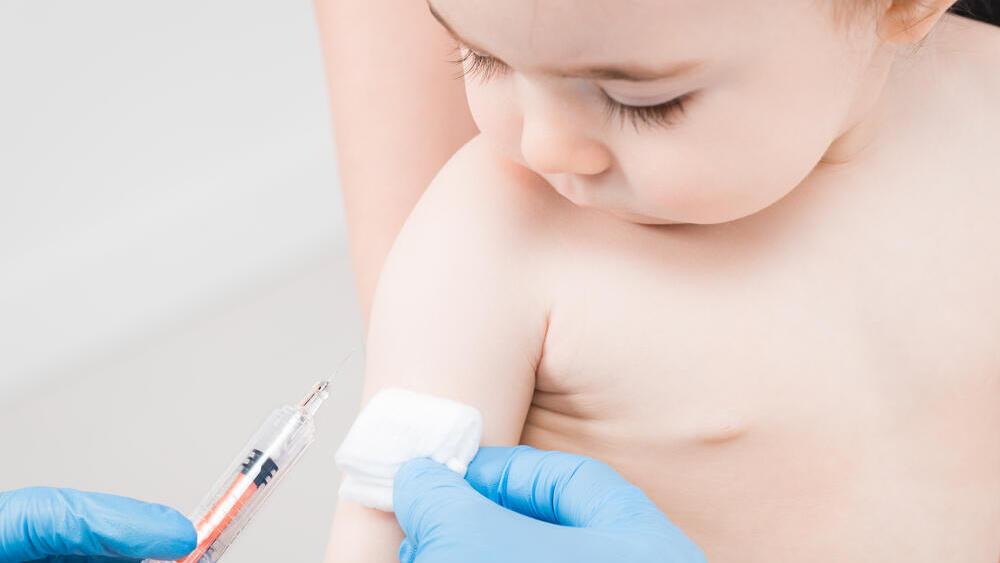
(Photo: Shutterstock)
Infants will receive the MMR vaccine, which offers 70-85% protection during the outbreak but won’t count toward routine vaccinations. These children will need the MMRV shot after age one, at least four weeks later and a second dose per ministry guidelines.
Due to partial protection in this age group, vaccinated infants and unvaccinated children should avoid crowded places like celebrations, synagogues or large events. The ministry advised keeping those with mild symptoms—fever, runny nose, cough or rash—at home until fully recovered. If a clinic visit is needed, parents should notify staff in advance to ensure safe handling.
Get the Ynetnews app on your smartphone: Google Play: https://bit.ly/4eJ37pE | Apple App Store: https://bit.ly/3ZL7iNv
In response to the outbreak, a special vaccination day was organized in Beit Shemesh, offering shots at various city locations for all health fund members. Ynet has learned that the ministry recently appealed to a prominent ultra-Orthodox rabbinical court to support national efforts to boost measles vaccination.
Professor Yasmin Maor, head of Wolfson Medical Center's infectious diseases unit and chair of the Israel Center for Disease Control, explained that the official vaccination age for measles in Israel is one year. "Infants under one are unprotected against a disease that can cause severe complications in younger children," she said.
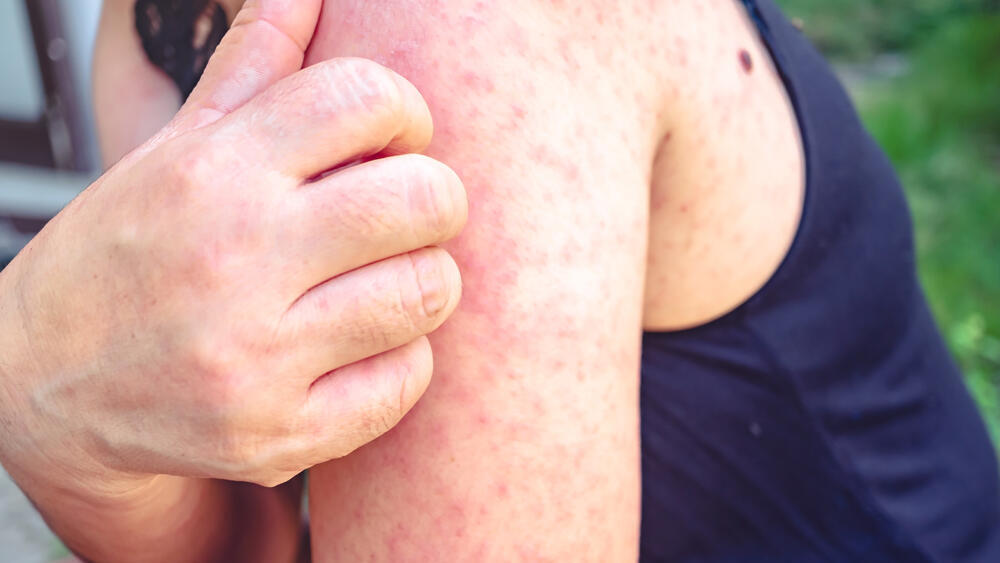
(Photo: Shutterstock)
Advancing vaccination in outbreak zones, a strategy used previously, is critical. Maor, a member of the vaccine advisory committee, noted that younger infants’ less mature immune systems result in shorter-term immunity. Early vaccination protects until age one, offering partial but better-than-nothing coverage, though these infants will need routine shots later.
When measles is rare, early vaccination isn’t justified, but in an outbreak it reduces risk despite requiring an extra dose. Maor emphasized that additional shots don’t increase side effects, which are typical and include fever, sore throat or transient rash.