


Overcoming cocaine addiction remains a formidable challenge in addiction medicine, with many relapsing not for pleasure but to escape distress.
A new study from the Hebrew University, published Wednesday in Science Advances, illuminates this struggle by identifying a unique brain network that activates during withdrawal, intensifying emotional distress and driving users back to the drug.

Led by Professor Yonatan Kupchik and doctoral student Liran Levi at the Hebrew University’s MRIC Center for Addiction Research (ICARe), the study pinpointed a glutamate-based neural network in the ventral pallidum, a brain region linked to emotions, motivation and addiction.
This network undergoes long-term changes from cocaine use, withdrawal and re-exposure, making it a central factor in addiction—not just a pursuit of pleasure but an escape from pain.
Get the Ynetnews app on your smartphone: Google Play: https://bit.ly/4eJ37pE | Apple App Store: https://bit.ly/3ZL7iNv
“The main problem with addiction is that it doesn’t go away,” Kupchik told Ynet. “Even when someone seems to have recovered, a relapse can happen even after a long period of abstinence.” He explained that drugs like cocaine alter the brain, making it hypersensitive to drug-related cues.
The brain’s reward system, which processes memories and emotions to drive actions, is hijacked by cocaine, flooding the brain with dopamine to reinforce repeated use. “The role of dopamine is to teach the brain that what we did was good, worth doing again,” he added. “Drugs cause the brain to release far more dopamine than usual, making the action much stronger.”

Professor Yonatan Kupchik
(Photo: Yoram Ashaim)
The study focused on a small subset of neurons—about 10% of the reward system—that generates negative emotions, unlike the broader system’s pleasure-driven response. “We focused on a small network of cells that, despite being part of the reward system, produces negative feelings when activated,” Kupchik said.
Using mice experiments, researchers observed this “anti-reward” network’s behavior. During cocaine use, its activity dropped, but in withdrawal, it surged, reflecting the distress addicts experience.
 Liran Levi
When cocaine was reintroduced, the network’s heightened activity vanished within minutes, easing distress temporarily. The network also strengthens ties with other brain regions during withdrawal, heightening emotional sensitivity, which subsides with drug use, resetting the system.
To test further, researchers suppressed the network’s activity during re-exposure to cocaine post-withdrawal, finding it increased the mice’s desire for the drug. Kupchik noted this network may play a dual role: amplifying withdrawal distress while tempering pleasure during use, acting as a protective brake.
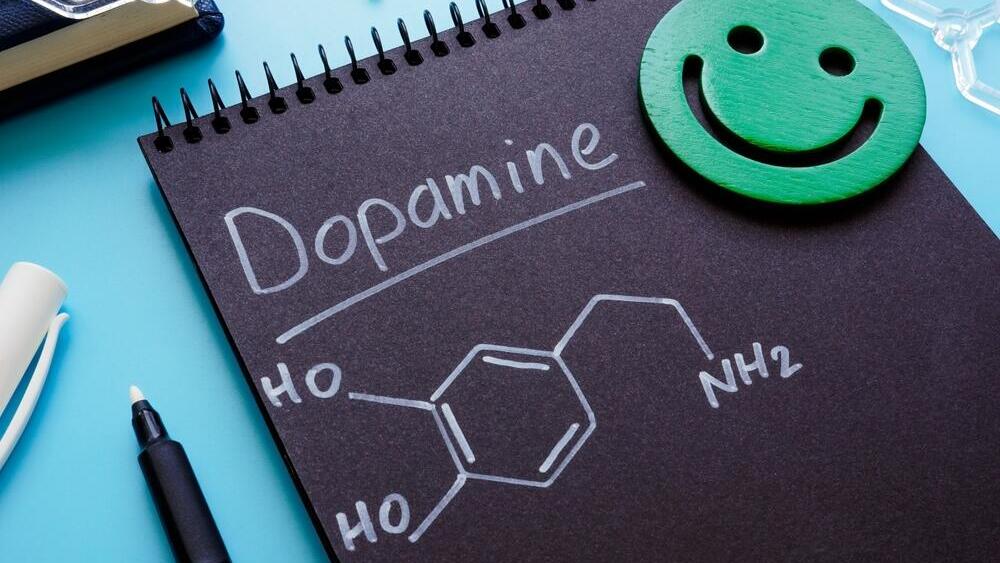
(Photo: Shutterstock)
“It’s possible this system, which creates distress during withdrawal, also protects by making the emotional experience less pleasant during use,” he explained. This complexity suggests addiction is not just about chasing reward but escaping pain.
While human interventions are not yet feasible, Kupchik hopes these insights will lead to new treatments targeting this network to address the emotional pain fueling relapse. “By understanding that addiction involves a neural network tied to negative emotions, we may find new treatment paths in the future,” he concluded.