


For many new immigrants to Israel, one of the first decisions they make is also one of the least understood: choosing a health fund (Kupat Holim or HMO). While all residents are entitled to coverage from the moment they arrive, the choice of which Kupat holim to join is often made before they even land. “The decision is formed abroad,” says Laurent, a health systems expert and adviser to organizations working with immigrants. “They are asked before they arrive which health fund they want, and the form is already waiting for them at the airport.”
That decision, he says, is rarely based on a clear understanding of how the system works. “It’s based mainly on recommendations from friends and on familiarity,” Chimouni says. “Many go by names they recognize.” In practice, that often means choosing without meaningful comparison. Many new immigrants pick a health fund simply because the name sounds familiar, particularly well-known names such as Maccabi, rather than checking which services are available where they plan to live. “It comes up in many conversations,” he says. “Most people choose that way.”
Gallery

Health funds in Israel. 'Many new immigrants pick a health fund simply because the name sounds familiar'
(Photo: Shutterstock, Roman Yanushevsky, Maccabi Health Services)
But Israel’s healthcare system differs sharply from what many immigrants expect, particularly those arriving from countries with more open access models. “In France, you can go to any doctor,” Chimouni says, citing one example. “Here, once you are registered with a specific fund, you go only to that fund’s services.”
That gap can create confusion from the outset. “The immigrant comes into a system they don’t know,” he says. “They struggle at the beginning to receive service, to understand where to go and what to do.” Without that understanding, some turn to emergency rooms unnecessarily. “They go to the nearest hospital because they don’t know where to turn,” Chimouni says.
The problem, he argues, is not the core coverage itself, which is standardized across all health funds, including Clalit, Israel’s largest provider. “All the funds provide the same basic services,” he says. “The question is the ‘how’.” That “how” includes practical factors many immigrants overlook when making their choice. “Is the doctor available? Do the staff speak your language? Is there a clinic or pharmacy close to home?” Chimouni says. “These are the things that make the service accessible and easy.”

'one of the first decisions they make is also one of the least understood'
(Photo: Screenshot)
Among those considerations, one stands out. “The family doctor is the most important,” he says. “The system in Israel is built on community medicine, and the family doctor is the foundation.” Large providers such as Clalit, with extensive clinic networks across the country, often emphasize this community-based model, though access and experience can still vary by location.
Language also plays a key role, especially early on. “If Hebrew is not strong, it’s better to have a doctor in your language, at least at the beginning,” Chimouni says.
Some health funds, such as Clalit, have expanded language support and outreach services in recent years, though gaps remain for many new arrivals navigating the system for the first time.
Despite the challenges, relatively few immigrants switch health funds after arriving, even when their initial choice proves unsuitable. “I don’t know many new immigrants who made a switch,” he says, noting that some fear losing rights, even though “it’s not true.” In reality, switching is possible and does not affect eligibility. “It’s not a marriage,” Chimouni says. “If you made a mistake, you can change, and your rights are preserved.” Still, he stresses that the decision deserves far more attention than it typically receives. “It’s not a decision that should be made in 10 seconds,” he says. “Don’t make a snap decision. Understand the system where you’re going to live.”
For those still abroad, that means shifting the focus from general reputation to practical fit, checking who the local doctors are, how accessible services are and whether language support is available in the area where they plan to live.
The choice, Chimouni suggests, is less about which health fund is “better” and more about which one works best for your needs. He also stresses that the decision is not final. New immigrants can switch health funds, and their coverage continues without interruption, a detail many are unaware of when making the initial choice.
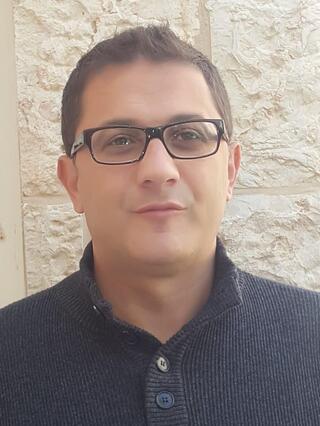 Laurent Chimouni, Health systems expert
 Despite its complexities, Chimouni emphasizes that Israel’s healthcare system offers strong, universal coverage. “There is not a single day you are without coverage,” he says. “That’s something very important for immigrants to understand.” Over time, he adds, most new immigrants do find their footing, learning how to navigate the system and access the care they need with greater confidence.
In cooperation with Clalit Health Services
First published: 10:03, 05.06.26