

Airports in Thailand and Nepal have begun tightening health monitoring and passenger screening following reports of an outbreak of the Nipah virus in the state of West Bengal in northeastern India. Five Nipah cases were confirmed at a hospital near Kolkata, the capital of West Bengal and India’s third-largest city. The patients are a doctor, a nurse and three health care workers. About 100 people have been placed in isolation.
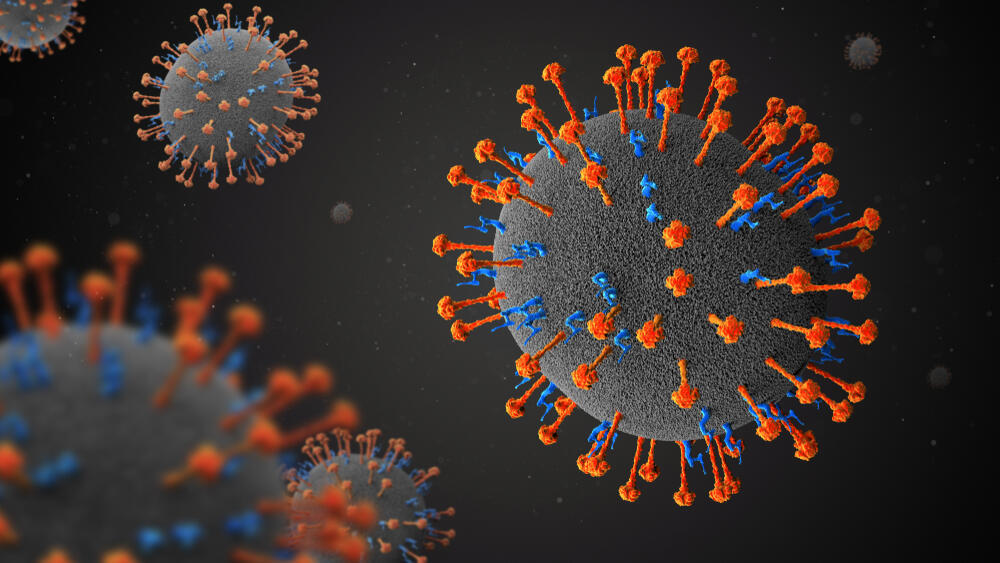
Nipah is a zoonotic disease, meaning a virus that can spread between animals and humans, primarily from fruit bats and infected pigs, but also between people through close contact with an infected patient. Symptoms range from mild to severe, from fever to brain infection and death.

India’s Health Ministry has issued guidelines on preventing the virus, instructing the public to take precautions such as washing fruit before consumption, drinking boiled water and wearing protective clothing when handling or cleaning animals and areas where animals are kept. People in India were also advised to avoid eating contaminated fruit that has fallen from trees, to avoid consuming raw date palm juice or sap and to avoid contact with sick or dead animals.
Bats at the Alipore Zoo in Kolkata began undergoing testing Saturday to rule out infection, The Hindu reported. “The team collected samples from bat surfaces. They followed all protocols during the process,” said zoo director Tripti Sah.
“Nipah virus is a deadly virus usually transmitted from animals, mainly fruit bats and pigs, to humans,” said Prof. Eyal Leshem, an infectious diseases specialist at Sheba Medical Center. “In some cases, human-to-human transmission is also possible, as well as infection through contaminated food. The infection causes an acute illness marked by high fever, headaches, vomiting, muscle pain, pneumonia and even encephalitis. The mortality rate is particularly high and can reach about 75% of those infected.”
 Prof. Eyal Leshem Photo: Sheba Medical Center
Because of its potential to cause severe outbreaks, Leshem said, the World Health Organization has classified Nipah as a significant threat to global public health. “Identification of an outbreak requires rapid investigative steps, contact tracing and implementation of measures to prevent further transmission. At present, there is no effective antiviral treatment and no vaccine available to prevent the disease,” he said.
Prof. Yasmin Maor, head of the infectious diseases unit at Wolfson Medical Center and chair of the Israeli Association of Infectious Diseases, said the virus is well known and periodically breaks out in several countries, including India. “Mortality rates are high, but so far outbreaks have generally been localized and have subsided within a short time,” she said. “At this stage there is no reason to assume the current outbreak will be different, and the assessment is that the risk of widespread transmission is relatively low. Still, it is appropriate to note positively the steps being taken in India to reduce the risk of the disease spreading to other areas.”
 Prof. Yasmin Maor Photo: Shlomi Mizrahi
Thailand screens passengers from India
On Friday, Thailand’s Department of Disease Control issued a statement emphasizing that measures are in place “to monitor and screen passengers at international disease control points.” The Thai Health Ministry focused mainly on travelers arriving from West Bengal, who are undergoing checks using techniques developed during the COVID-19 pandemic. The department’s director-general warned that the virus “can cause neurological symptoms and has a relatively high mortality rate.”
Passengers at Bangkok’s Suvarnabhumi and Don Mueang airports, as well as Phuket Airport, are being monitored for fever and symptoms linked to the virus. Travelers are given health cards with instructions on what to do if they become ill. Cleaning operations have also been stepped up at Phuket International Airport as part of preventive measures. Indian airline IndiGo operates a daily direct flight between Kolkata International Airport and Phuket.
Passengers arriving with high fever or symptoms that could indicate Nipah infection will be transferred to isolation facilities and questioned about where they have been. Thailand’s Department of National Parks, Wildlife and Plant Conservation has also ordered stricter screening in cave areas and natural tourist sites amid concerns over the outbreak in India. It urged tourists to follow a strict rule: “Do not hunt, do not forage, do not eat.” Thai Prime Minister Anutin Charnvirakul said no Nipah cases have been reported, but monitoring levels will remain high.
Nepal also steps up monitoring
In Nepal, the government has raised alert levels and stepped up health checks at Tribhuvan International Airport in Kathmandu and at major border crossings with India in an effort to prevent infected people from entering the country. Passenger screening stations have been set up to check for symptoms, and hospitals and health posts along the border have been instructed to report suspected cases. Officials stressed the challenge posed by open borders and the daily movement of people from neighboring West Bengal.
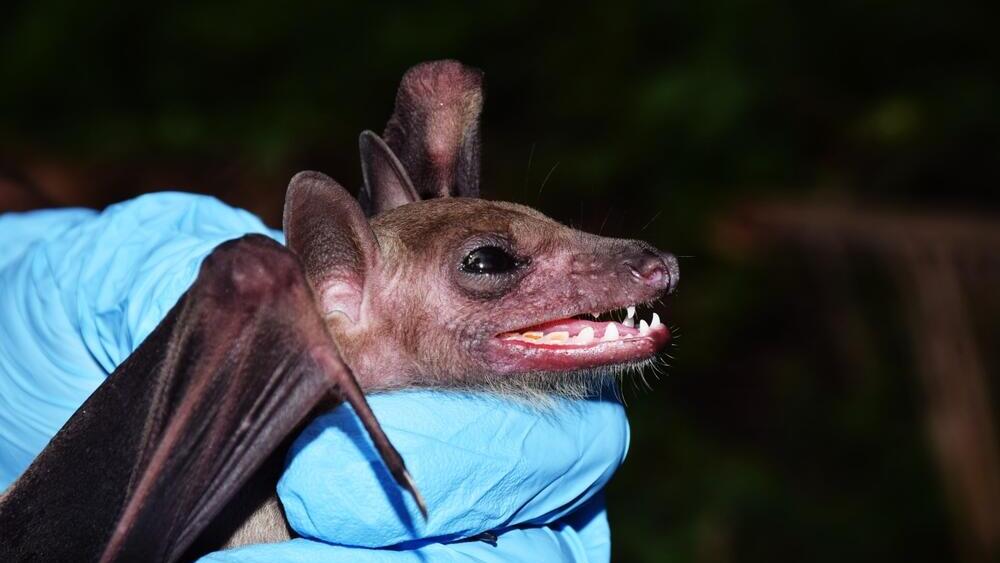
India begins testing bats at zoo
(Photo: shutterstock)
Health Ministry spokesman Dr. Prakash Budhathoky said adequate measures have been put in place to prevent the virus from spreading. He said the government has begun individual screening of passengers arriving in Nepal through the international airport and border points with India. “We have especially intensified monitoring at border points in Koshi Province. Health checks will be conducted on people entering Nepal through other border crossings as well,” he said.
At the same time, health authorities in Taiwan are planning to classify Nipah virus infection as a Category 5 disease, the highest classification for serious emerging infections under local law. The move, subject to a 60-day public comment period before taking effect, would require immediate reporting and special control measures if cases occur, reflecting concerns about the virus’ high mortality rate and its pandemic potential. The World Health Organization prioritizes Nipah virus because of its potential to cause a pandemic.
Symptoms and mortality rates
Early symptoms of Nipah infection can include fever, headache, muscle pain, vomiting and sore throat. More severe symptoms include dizziness or drowsiness, changes in consciousness, severe pneumonia and breathing problems. Some infected people may show no symptoms, while others develop acute respiratory distress. In severe cases, Nipah can lead to fatal encephalitis, an inflammation of the brain. Past outbreaks have been linked to high mortality rates of 40% to 75%, depending on the outbreak and the virus strain involved.
(Photo: shutterstock)
Bangladesh has borne the brunt of the virus in recent years, with more than 100 people dying from Nipah since 2001. The virus has also been identified in India, with outbreaks reported in West Bengal in 2001 and 2007. More recently, the southern Indian state of Kerala has become a focal point: In 2018, 19 cases were reported, 17 of them fatal, and in 2023, two of six confirmed cases later died.