


Summer may be winding down, but its effects can linger on the skin long after the hottest days are over.
Months of UV exposure, heat and sweating can contribute to acne flare-ups, including in people who have not previously struggled with breakouts, while also making existing pigmentation and dark spots more noticeable.
Gallery
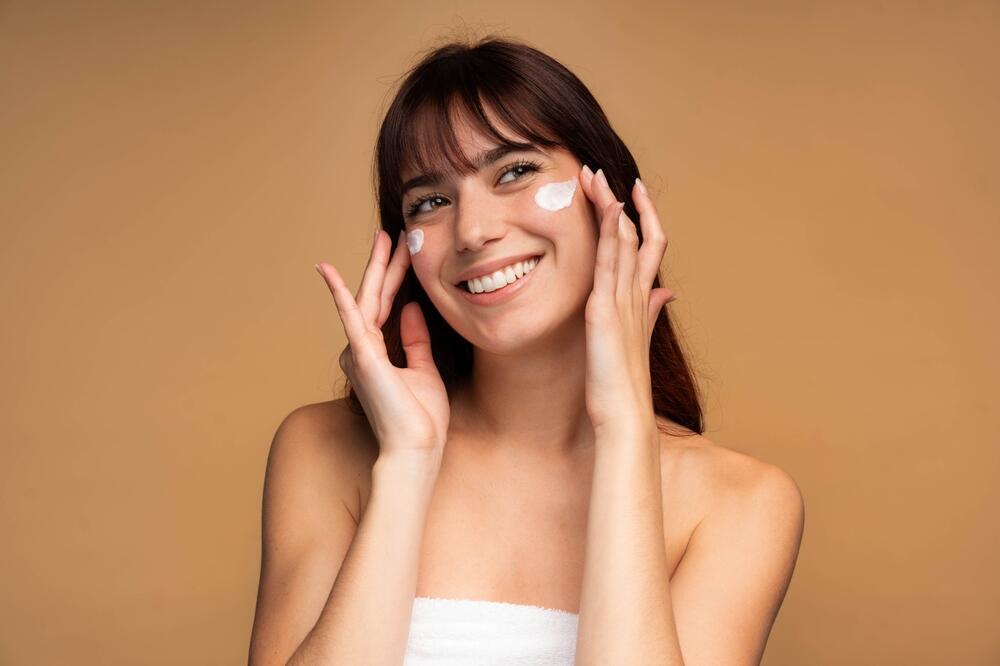
Treating pigmentation requires daily sun protection, avoiding stimulation of melanin and tailoring treatment to the specific type of dark spot
(Photo: Shutterstock)
The instinct may be to treat the damage immediately with a strong peel, vigorous exfoliation or another treatment promising fast results. But dermatologists warn that when skin is still exposed to intense sun, aggressive treatment can make matters worse, leading to deeper pigmentation, burns and damage that may be difficult to reverse.
So what can safely be done in late summer, and what should wait until cooler weather?
The sun does not ‘dry out’ acne
One common summer misconception is that sunlight dries out pimples and improves acne. Dr. Sivan Mercer, a dermatologist, says any apparent improvement is usually temporary.
“This is one of the most common mistakes, but the sun does not treat acne,” she says. “Sometimes sun exposure makes the skin look drier and more even, while a tan temporarily masks redness and blemishes, creating the impression that the skin has improved.”
Underneath that more even appearance, however, summer conditions may actually encourage breakouts. “In summer there is a damaging combination of heat, humidity, sweating and sometimes increased sebum production, the process by which the skin’s sebaceous glands produce and release an oily substance,” Mercer says.
“When sunscreen, makeup or more occlusive products are added, the result can be an environment that encourages clogged hair follicles and breakouts.”
The fading of a tan can also change how the skin appears. Sun exposure may intensify post-inflammatory pigmentation, and as the tan fades toward the end of summer, inflammation and residual marks become more visible.
 Dr. Sivan MercerPhoto: Chen Schimmel
That can create the impression that acne has suddenly returned, when in some cases it has simply become easier to see.
Age changes the picture
Not every breakout is the same, and age plays an important role in both diagnosis and treatment.
Teenage acne is closely linked to hormonal changes and increased activity of the sebaceous glands. Depending on the type and severity, treatment may range from topical products to systemic medication.
Adult female acne can look different. “In adult women, acne can have a significant hormonal component, and it may appear even in women who did not have significant acne as teenagers,” Mercer says. Other causes, including medication or unsuitable skincare products, should also be considered.
For mature or sensitive skin, the goal should not be to dry it out at all costs. Treatment should address inflammation and the underlying causes of acne while protecting the skin barrier. Over-irritation can lead to dryness, burning and barrier damage, making both the acne and the treatment itself harder to manage.
Acne can still be treated in late summer, but the choice of active ingredients and the intensity of treatment should be tailored to the condition of the skin and the level of sun exposure.
Topical retinoids and azelaic acid are among the ingredients commonly used to treat acne, but the choice and frequency of treatment should be tailored to the individual and their skin sensitivity. Active treatment also requires careful sun protection.

Proper acne treatment requires patience and protecting the skin barrier
(Photo: Shutterstock)
Dr. Mercer advises against aggressive attempts to “dry out” acne with alcohol-based products, harsh cleansers, frequent peels or vigorous rubbing.
“The goal is not to fight the skin, but to calm it,” she says. “Damaging the skin barrier can cause dryness, irritation and inflammation and make the treatment routine much less tolerable.”
She says patience is part of the treatment itself. “It is also a change in mindset and an exercise in patience and restraint for acne patients who find it difficult to give their skin time to calm down, not scrub it immediately and not expect instant results.”
Before treatment begins, it is also important to determine what is actually causing the breakout. Not every blemish is necessarily acne.
Treatment can be tailored according to age, lesion location, severity and individual characteristics, and may include topical, systemic or technology-based approaches, or a combination of them.
At any age, patients should avoid picking or squeezing lesions, which can worsen inflammation and increase the risk of pigmentation and scarring. Technology-based treatments may also be incorporated depending on the type and stage of acne, from treating active inflammation to improving skin texture and residual scarring.
“The principle that guides me is to treat acne effectively, but just as importantly, to preserve the skin barrier,” Dr. Mercer says. “Irritated, dried-out skin is not the goal.”
“We want a comprehensive treatment process that ultimately leaves the skin healthy, radiant and with an improved texture. The process is not always quick, and acne is a chronic condition, but in the vast majority of cases, patience and following the treatment plan lead to excellent results.”
Not all dark spots are the same
Alongside acne, late summer is often when new spots, or older areas of pigmentation, become more noticeable. But “pigmentation” is a broad term.
Dr. Ella Egozi, a dermatologist and medical director of Maccabi Aesthetics, says the more precise term is hyperpigmentation and that treatment should begin by identifying the type of discoloration involved.
Some people have superficial sun spots and freckles. Others may have melasma, a deeper form of hyperpigmentation with a hormonal component that is strongly influenced by heat and radiation.
That distinction matters because treatment should be matched to the type of pigmentation, its depth and its cause.
 Dr. Ella EgoziPhoto: Adi Orni
“When a dermatologist identifies and treats late-summer hyperpigmentation, the first rule is not to stimulate the melanin,” Dr. Egozi says. “Treatment that is too aggressive while the skin is still exposed to strong radiation will make the problem worse and produce even darker spots.”
Treatment starts at home
According to Dr. Egozi, treating dark spots requires a clear division of responsibility between the patient and the professional.
The first and most important step lies with the patient: reducing further melanin production by limiting sun exposure. That means daily sunscreen use, preferably mineral sunscreen or a product that also offers protection from visible light, along with antioxidants such as vitamin C and complete avoidance of further tanning.
The next step is professional diagnosis by a dermatologist or a clinic in which a physician is involved. Once the type of pigmentation has been identified, treatment can be tailored to the depth and cause of the discoloration and to the patient’s skin.
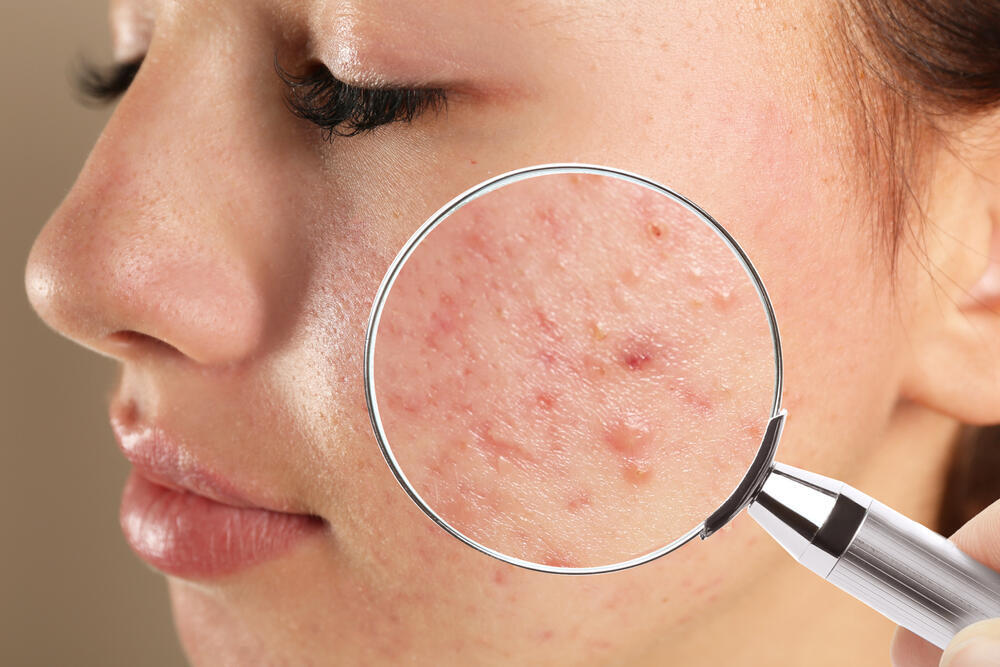
Summer heat and humidity can clog pores and trigger acne flare-ups, which may become more noticeable as a tan fades
(Photo: shutterstock)
Clinic-based options may include prescription lightening agents that act deeper in the skin, chemical peels that renew the upper layers and laser- or light-based technologies, including IPL, designed to target pigment more precisely.
Consistent home care remains an essential part of the process and can help support recovery and produce a more even complexion.
Save aggressive treatments for winter
Concern about treating pigmentation during warmer months does not mean that every procedure is off limits.
Dr. Egozi says some non-ablative laser treatments and Tixel procedures can be performed in late summer to address superficial pigmentation and redness, provided patients are not actively tanning and are rigorous about sun protection.
Another option is a superficial peel using moderate concentrations of alpha hydroxy acids or beta hydroxy acids, designed to encourage cell turnover and clear pores without causing major peeling.
More aggressive procedures, however, are better left for winter. These include aggressive fractional lasers, ablative CO2 laser treatments and medium or deep chemical peels.
Such procedures deliberately create controlled injury in the skin, from superficial layers to deeper tissue, making the skin especially vulnerable to sun exposure during the recovery period.
“Even minimal exposure to sunlight or high heat during the first days of recovery can cause burns, persistent hyperpigmentation and damage that can be extremely difficult to correct,” Dr. Egozi warns. “Here there is no room for compromise. You wait for cooler, cloudier weather.”