

Pregnancy brings plenty of changes, and sometimes it can feel as though it also comes with an endless rulebook. Suddenly, the morning coffee raises questions. Ordering sushi becomes a medical dilemma. An innocent-looking cheese requires a closer look at the label. Lifting something heavy starts to sound questionable, and before booking a flight abroad, many expectant mothers find themselves frantically searching online. And that is before advice starts arriving from relatives, friends and social media.
Over the years, countless beliefs and warnings have accumulated around pregnancy, covering food, exercise, air travel, sex and even sleeping position: don’t sleep on your back, don’t eat pineapple, do eat dates, avoid coffee, don’t fly.
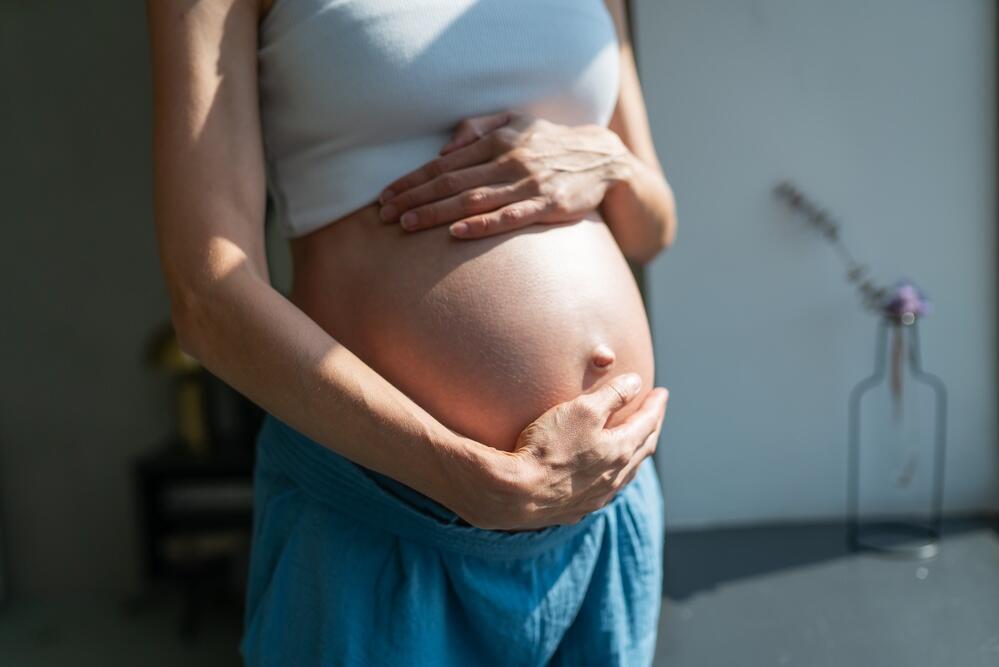
Some are based on genuine medical recommendations, others have taken on a life of their own, and in some cases, a small kernel of truth has simply been blown out of proportion.
“As a gynecologist who treats pregnant women, these are among the main questions we are asked,” said Dr. Uri Erlich, a senior gynecologist at Clalit Health Services and director of the ultrasound unit at Mayanei Hayeshua Medical Center. “The role of the doctor is to dispel myths and expose patients to safe information.”
So who should pregnant women listen to? “The best thing is to turn to the treating physician, who is the first and most reliable source of information,” Dr. Erlich said. “When looking for information online, it is worth checking who wrote it, what their field of expertise is in medical articles, and relying less on opinions in forums.”
He added that while some people posting online may have researched the subject, medical advice should ultimately come from a qualified professional who can provide appropriate information.
So before giving up another favorite food or changing a habit because someone heard something from someone else, here are some of the most common pregnancy myths and what is worth knowing about them.
Coffee during pregnancy? You don’t have to give it up
One of the best-known warnings concerns coffee. But according to Dr. Erlich, there is no need to stop drinking it completely. “It is recommended to reduce the amount, but one or two cups of coffee a day are completely safe,” he said.
He noted that women who develop headaches after abruptly stopping caffeine, or who experience lower blood pressure, may actually feel better after one or two cups of coffee.
Still, when it comes to caffeine, it is better to count milligrams rather than cups because caffeine content varies considerably between drinks.
The American College of Obstetricians and Gynecologists (ACOG) considers less than 200 milligrams of caffeine a day to be moderate consumption during pregnancy. Israel’s Health Ministry also recommends limiting caffeine and cites studies linking excessive intake with pregnancy risks.

Count caffeine in milligrams
(Photo: Shutterstock)
The reason for caution is that caffeine crosses the placenta, while the fetus cannot metabolize it as efficiently as an adult. Studies suggest that consuming more than 200 mg of caffeine a day may be associated with low birth weight and restricted fetal growth.
Caffeine can also interfere with iron absorption, increase urination and, in excessive amounts, contribute to dehydration. Tea, cola, energy drinks, cocoa and chocolate also contain caffeine, so the morning coffee is only one part of the daily total.
Sushi: The fish is not the whole story
What about sushi? “The fish itself is not dangerous, but there is concern about exposure to bacteria such as listeria, which can harm a pregnancy,” Dr. Erlich said. “Because there is no way to know with certainty whether there has been bacterial exposure, the recommendation is to avoid raw foods.”
That warning is not limited to fish. Raw foods in general are less advisable during pregnancy. Raw or undercooked meat, for example, can expose a woman to toxoplasma, a parasite that can be dangerous if infection occurs during pregnancy.
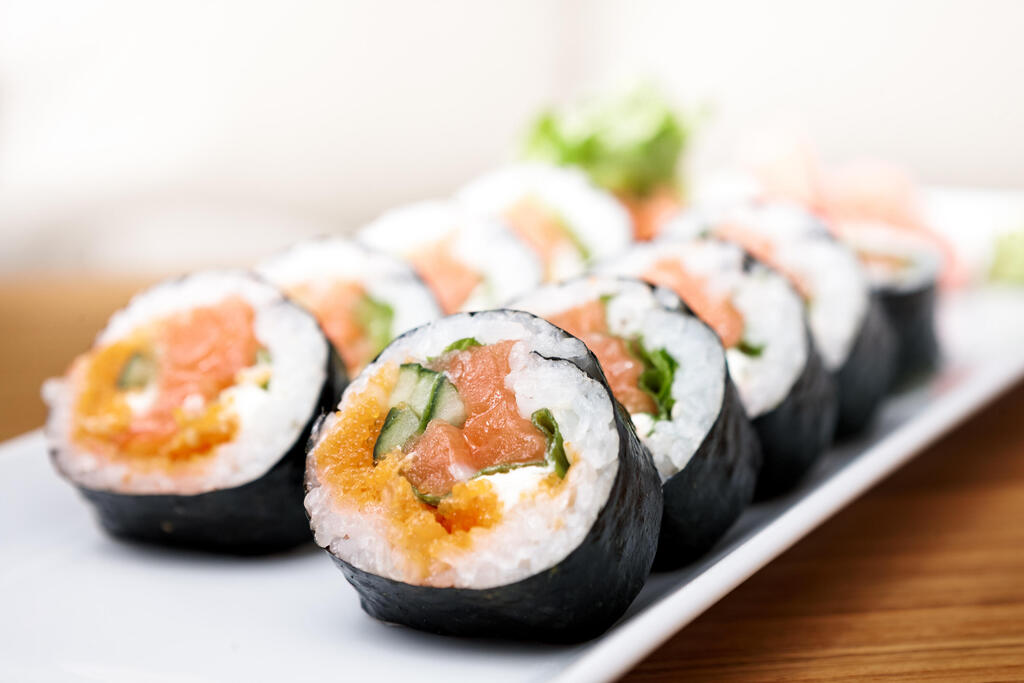
Even the knives can pose a risk
(Photo: Shutterstock)
Listeria can also survive and even multiply at refrigeration temperatures, so the concern is not only the food itself but also cross-contamination through knives, cutting boards and work surfaces.
That is why Israel’s Health Ministry recommends avoiding raw fish during pregnancy, including vegetarian sushi in restaurants, because bacteria can be transferred through equipment and surfaces used to prepare sushi containing raw fish.
Soft cheese: The key question is not simply whether it is soft
Cheese has also become the subject of sweeping warnings, but the reality is more complicated. “It depends on pasteurization,” Dr. Erlich said. “Soft, pasteurized cheese that has been stored properly is safe to eat. But cheese that has not been pasteurized, where there is no way to ensure that bacteria are absent, should be avoided.”
He added that cheeses stored in liquid can also be safe if they were packaged after pasteurization in a sealed, sterile container, as is the case with some products sold in supermarkets.

Pasteurized? That’s ok
(Photo: Sweet marshmallow / Shutterstock)
Among the cheeses considered safer when made from pasteurized milk, properly stored and prepackaged are white cheese, cottage cheese, cream cheese, hard yellow cheese and Parmesan. Prepackaged pasteurized mozzarella may also be suitable, depending on how it was packaged and stored.
But Israel’s Health Ministry issues stricter guidance in some cases. In addition to advising against unpasteurized dairy products, it recommends avoiding mold-ripened and soft-ripened cheeses such as Brie, Camembert, Roquefort and Gorgonzola, as well as cheeses stored in water such as feta, Tzfat cheese and Bulgarian cheese.
Their high moisture content and storage in liquid can create conditions favorable to bacteria, including listeria. According to the ministry, cheeses stored in water may be consumed after thorough cooking. It also recommends avoiding cheeses and other products sold by weight from deli counters during pregnancy.
Can papaya cause miscarriage?
This myth is less familiar in Israel but widespread in some parts of the world: papaya, particularly unripe papaya, can cause contractions or even miscarriage. “Green, unripe papaya contains higher concentrations of substances that may cause contractions, but yellow, ripe papaya is safe to eat,” Dr. Erlich said.
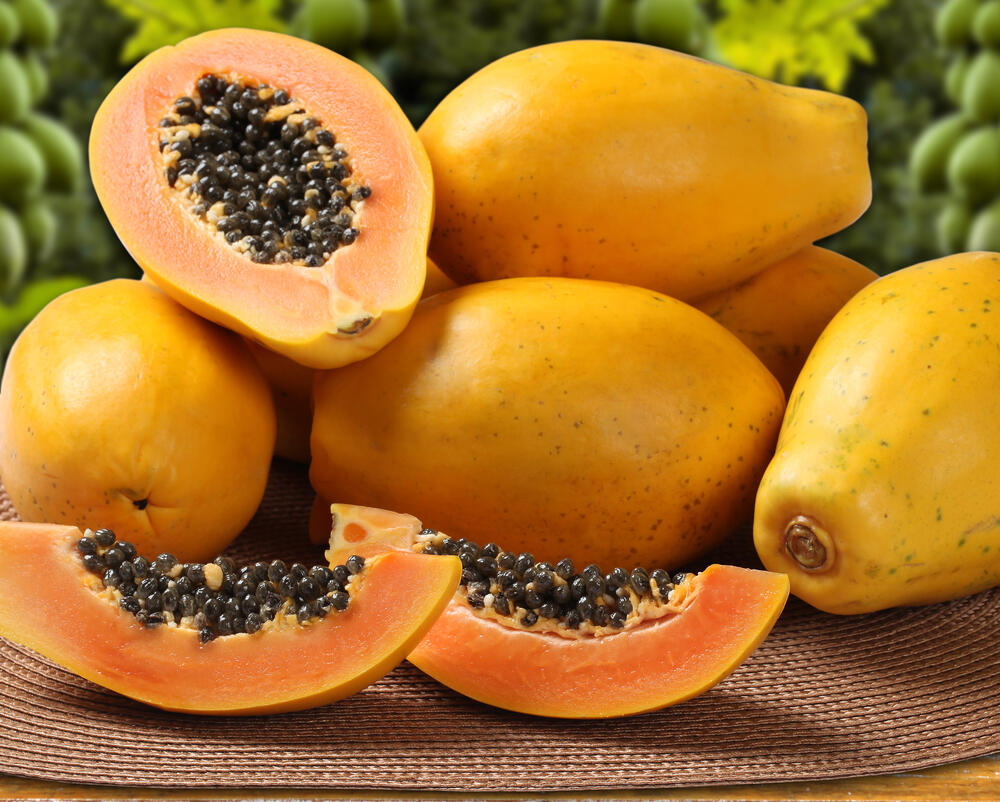
Nine months without papaya salad?
(Photo: Shutterstock)
The concern around unripe papaya is partly linked to its higher latex content. Some experimental studies suggest that this latex may stimulate uterine contractions, but the evidence comes largely from laboratory and animal research rather than strong clinical studies in humans. By contrast, there is no solid evidence that eating ripe papaya in normal amounts poses a risk during pregnancy.
Can dates really help bring on labor?
“Eat dates before giving birth” is advice that has circulated among women for years. From the standpoint of conventional medicine, Dr. Erlich said, it is still not an accepted treatment. “We do not recognize it as such. Eating dates is not part of standard medical treatment or something we recommend for that purpose,” he said.

More benefits from ‘nature’s chocolate’
(Photo: Photoongraphy / Shutterstock)
Still, this is one myth with some research behind it. Studies examining date consumption in the final weeks of pregnancy, including from week 36 onward, have found signs that dates may help with cervical ripening and softening, reduce the need for labor induction in some cases and influence the duration of certain stages of labor.
However, there is still no definitive medical evidence allowing date consumption to be defined as a proven method of inducing labor. Research reviews have found encouraging results but also noted limitations in the quality of the evidence. In any case, dates do not directly “induce labor.”
What about mercury in tuna?
Here, too, the word “tuna” does not tell the whole story. “Canned tuna contains very low amounts of mercury and can be eaten,” Dr. Erlich said. “White tuna varieties or certain fish that contain higher mercury levels require greater caution.”
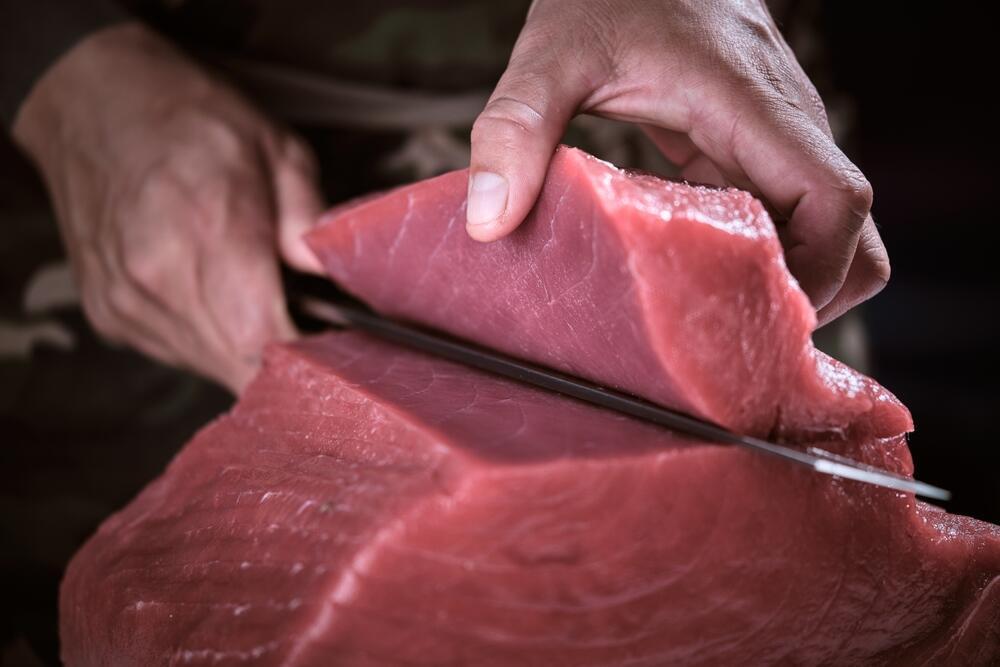
Choose the right type. Tuna
(Photo: ADDICTIVE STOCK / shutterstock)
Mercury tends to accumulate mainly in large predatory fish high up the food chain. Fish requiring greater caution include albacore tuna, particularly fresh or frozen tuna, tuna steak, swordfish, shark and large mackerel.
Israel’s Health Ministry recommends avoiding, among other things, white tuna, red tuna, swordfish, shark and large mackerel during pregnancy. By contrast, canned light tuna is considered a safer choice, as are fish such as salmon and tilapia. The recommendation, then, is not to give up fish during pregnancy but to choose the right types and vary consumption.
Does pineapple trigger contractions? Not so fast
The pineapple story is almost a pregnancy classic: eating it, according to the myth, can trigger contractions, speed up labor or even be dangerous early in pregnancy.
“To produce an effect that could induce contractions, you would need to consume a very large amount of pineapple at once,” Dr. Erlich said. “Pineapple itself is not forbidden during pregnancy.”
The myth is rooted in an enzyme called bromelain, which breaks down proteins and is concentrated particularly in the tougher parts of the pineapple, including the core and stem.

No strong evidence that it triggers labor. Pineapple
(Photo: Shutterstock)
One theory is that bromelain may affect tissues associated with the cervix and trigger contractions. But that idea is based mainly on a theoretical mechanism and limited research. There is currently no strong evidence that normal dietary amounts of pineapple can cause labor.
In other words, pineapple is not prohibited during pregnancy, and a slice or two is not expected to send anyone to the delivery room.
Can sex harm the fetus?
This may be one of the harder subjects to ask about openly, but the concern is common: Can sex during pregnancy harm the fetus or trigger premature labor?
“If there is no placenta previa, bleeding or another medical problem such as cervical shortening or a risk of preterm labor, sexual intercourse is permitted and possible throughout pregnancy,” Dr. Erlich said. In most uncomplicated pregnancies, sexual activity is considered safe. The fetus is protected inside the uterus and amniotic sac, and in the absence of a medical complication, sex is not expected to cause harm.

“In most uncomplicated pregnancies, sexual activity is considered safe”
(Photo: Shutterstock)
Of course, if there is a medical problem, significant pain or bleeding, or a doctor has given different instructions, personalized medical advice takes precedence.
Is flying during pregnancy forbidden?
Not as a general rule. “Flights in general are not dangerous during pregnancy, and radiation exposure during a flight is negligible,” Dr. Erlich said.
The main issue, particularly on long flights, is prolonged sitting. Pregnancy increases the risk of blood clots, so on long flights women are advised to get up and move around, move their legs, stay hydrated and, where appropriate, use compression stockings after consulting their doctor about individual restrictions.
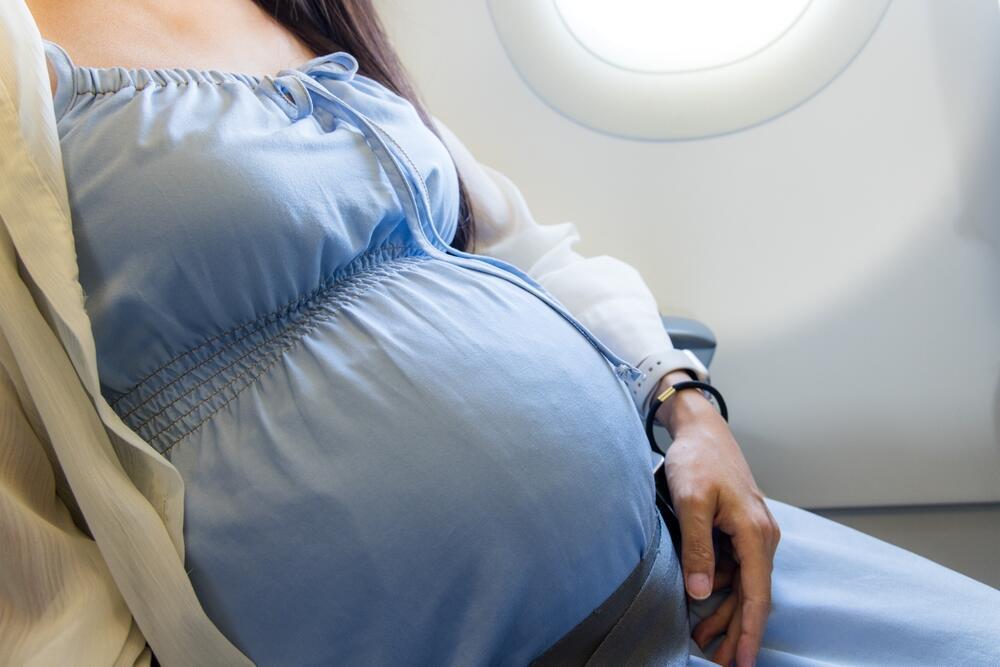
Up to week 36, flying is generally fine during pregnancy
(Photo: leungchopan / Shutterstock)
Most airlines allow women with uncomplicated pregnancies to fly until around week 36. For pregnancies involving multiple fetuses, restrictions may begin earlier, sometimes around week 32. Policies vary by airline, and medical clearance may be required at earlier stages, so travelers should check the specific airline’s rules in advance.
The reason for later-pregnancy restrictions is not that flying suddenly becomes dangerous, but mainly to reduce the risk of labor beginning during the flight. Another point worth checking before booking is whether travel medical insurance covers pregnancy and the specific gestational week during which the trip is planned.
Is sleeping on your back really forbidden?
If there is one myth Dr. Erlich particularly wants to clarify, it is this one. “Before the Instagram era, women slept on their backs and lived perfectly well,” he said. “The rule is how the woman feels. If the uterus is pressing on venous return to the heart and the woman feels unwell, she will feel it before the fetus does. The blood vessels supplying the fetus also supply the mother. If the mother feels well, there is no absolute requirement to lie specifically on her side.”
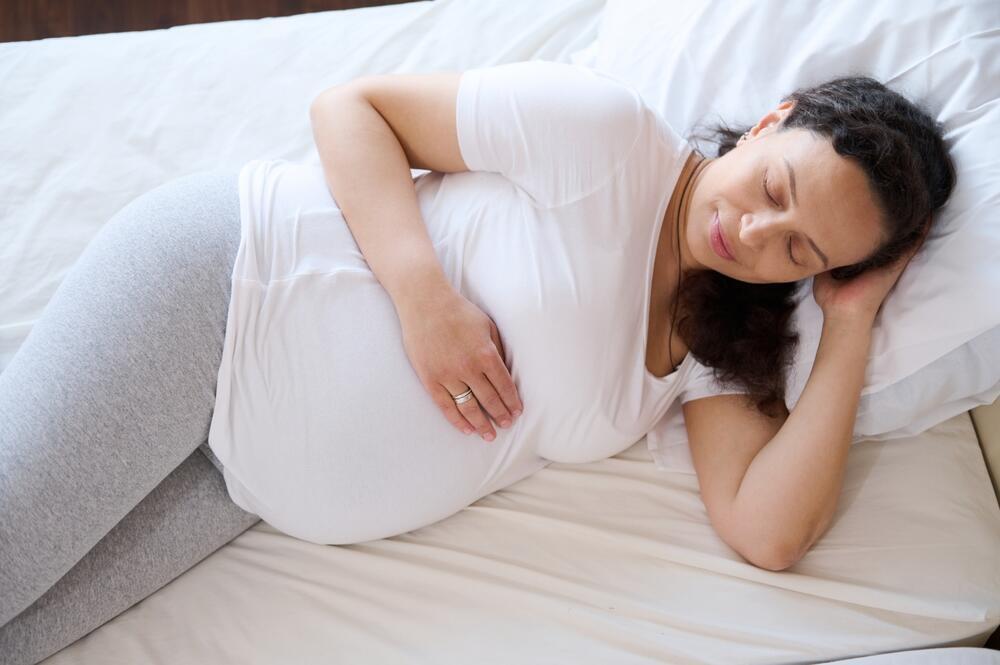
Sleeping on your side is preferable in later pregnancy
(Photo: Shutterstock)
He said he also sees women who change their sleeping position very early in pregnancy and suffer as a result. “Patients tell me they have slept only on their left side from the moment they discovered they were pregnant and suffer from pain,” he said. “My message is: listen to your body. If you can lie on your back without shortness of breath or feeling unwell, the fetus feels fine and that is completely OK.”
There is, however, an important qualification: guidelines from several medical organizations recommend sleeping on your side in the later stages of pregnancy. Britain’s National Health Service, for example, advises women from week 28 onward to fall asleep on either side, not necessarily the left, following studies that found an association between going to sleep on the back at this stage and an increased risk of stillbirth.
Even under these recommendations, there is no need to panic if you wake up during the night and find yourself on your back; simply turn onto your side and go back to sleep.
And that may also capture Dr. Erlich’s broader message when it comes to pregnancy myths. “First of all, trust common sense. Women are smart and know how to take care of themselves,” he said. “If a troubling dilemma comes up, first ask the treating physician. If you read something online, make sure the person giving the recommendation has the appropriate qualifications and explains where the information comes from. Always trust common sense and speak to your doctor.”
Because in pregnancy, it turns out, not everything labeled “off-limits” is truly forbidden, but not every myth is completely baseless either.