

A single night in a sleep lab may reveal far more about future health than previously thought, according to a large new study that suggests sleep data can help predict the risk of dozens of serious diseases years before diagnosis.
Research published this week in the journal Nature Medicine describes an artificial intelligence model, called SleepFM, that analyzed more than half a million hours of sleep studies from more than 65,000 people. The model was able to predict the future risk of 130 medical conditions based on just one night of recorded sleep.
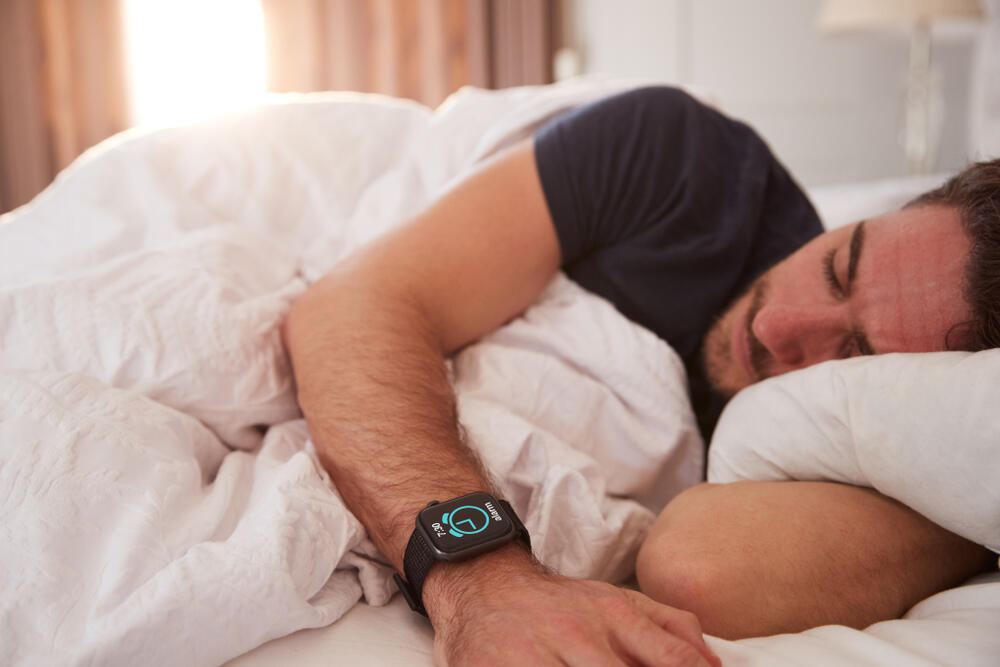
(Photo: shutterstock)
Among the conditions the model forecast with high accuracy were all-cause mortality, dementia, heart attack, heart failure, stroke, chronic kidney disease and atrial fibrillation, the researchers reported.
Sleep studies, known as polysomnography, are currently used mainly to diagnose specific disorders such as sleep apnea, snoring or insomnia. The new findings suggest the same tests may contain much deeper physiological signals linked to long-term health.
“Sleep labs generate enormous amounts of data, far more than the human brain can fully process,” said Dr. Uri Alkan, an otorhinolaryngologist and sleep medicine physician who heads sleep disorder clinics at Beilinson and Hasharon hospitals in central Israel. “Even very experienced doctors identify only certain patterns. It’s been clear for years that a vast amount of information is there, but we can’t fully extract it on our own.”
That is where artificial intelligence comes in, Alkan said.
“It’s very impressive work,” he said. “It’s still too early to draw broad clinical conclusions, but opening the data to the scientific community is an important step. It allows experts to learn from it and build future developments.”
SleepFM was trained on a uniquely large dataset drawn from four major sources: Stanford University’s sleep clinic, the BioSerenity database and two large population studies, MESA and MrOS. In total, the model learned from about 585,000 hours of full sleep recordings across a wide age range, from childhood to old age.
To ensure the system was not simply memorizing data, researchers tested it on an entirely separate database, the Sleep Heart Health Study, which was not used during training. Because sleep tests vary in the sensors and signals they include, the team designed the model to function even when some data channels were missing.
Only after confirming the model could consistently analyze sleep did researchers test whether it could predict future disease. They linked sleep data from Stanford patients to electronic medical records and counted a condition as “future” only if it appeared at least a week after the sleep test. Extremely rare diseases were excluded, leaving 1,041 conditions for analysis.
The results showed strong predictive performance for 130 conditions, particularly cardiovascular, neurological and metabolic diseases.
Researchers also examined which sleep signals contributed most to predictions. Brain activity and eye movement data were especially informative for neurological and psychiatric conditions. Breathing signals were more useful for respiratory and metabolic diseases, while ECG recordings played a key role in predicting heart disease. Across all categories, combining all signals produced the strongest results.
Sleep stage analysis showed that all phases of sleep contributed to predictions, with lighter sleep and REM sleep offering a slight advantage in forecasting heart disease and neurodegenerative disorders. The researchers concluded that health risk is reflected in overall sleep patterns, not a single metric.
Further testing showed the model remained effective when applied to newer patients and external datasets, though performance declined slightly over time — a common issue as populations and medical practices change.
Overall, SleepFM outperformed existing models by about 5% to 17% in key neurological, cardiovascular and metabolic outcomes.
The researchers stressed that the technology is not ready for immediate clinical use. Still, they said advances in wearable sleep devices and the integration of additional medical data could eventually turn sleep into a powerful, noninvasive tool for long-term health monitoring.
“Sleep testing is comfortable and noninvasive,” Alkan said. “People simply sleep. The potential here is enormous — identifying disease risk at a very early stage, before symptoms appear. That offers real hope for preventive medicine and early diagnosis.”