

Israel lacks key data on HIV testing, is falling short of international targets and still has no comprehensive national plan to eliminate the virus, according to a new report by the Knesset Research and Information Center.
The report’s findings are being presented Tuesday during the first discussion of the Knesset’s new lobby for the elimination of infectious diseases, initiated by MK Tatiana Mazarsky of the Yesh Atid party in cooperation with the Israel AIDS Task Force.
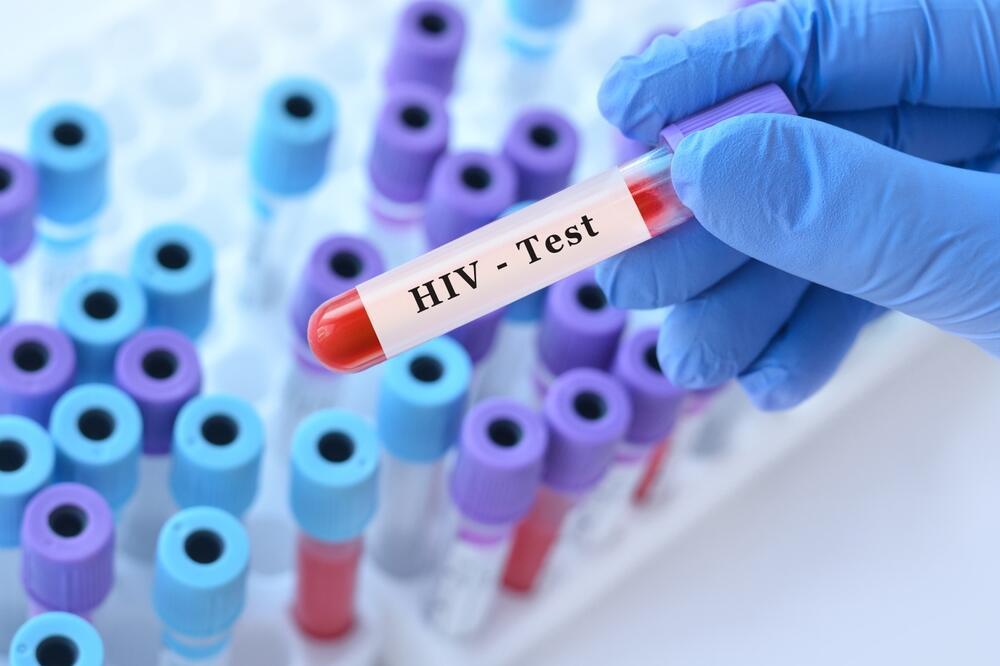
The report paints a troubling picture of limited government oversight and control over efforts to eliminate HIV in Israel. Its authors criticize the Health Ministry for not holding data on the number of HIV tests carried out in Israel and for relying on guidelines that have not been updated in more than a decade.
According to the figures, as of the end of 2024, there were 12,317 people with HIV and AIDS in Israel. During that period, 2,093 deaths were reported to the Health Ministry, while 1,160 carriers and patients had left Israel. As a result, at the end of 2024, there were 9,064 people with HIV/AIDS registered in Israel, including 8,361 HIV carriers and 703 AIDS patients.
The largest number of HIV carriers was in the 45-54 age group. Most HIV carriers and most AIDS patients in Israel are men.
However, the Health Ministry says HIV remains underdiagnosed in Israel, estimating that 88% to 90% of all HIV carriers in Israel have been diagnosed, raising concern that hundreds of people are living in the country without knowing they have the virus.
In 2024, 305 new HIV carriers and 12 new AIDS cases were reported, the lowest number of HIV carriers recorded since 2015.
AIDS is caused by the HIV virus, which attacks CD4 white blood cells that help protect the body from infections and tumor cells. As the disease progresses, the number of these cells drops below a critical level, severely weakening the immune system and exposing the body to infections and tumors.
HIV can be transmitted through unprotected sex, direct contact with infected blood or blood products and the blood of an uninfected person, or from a woman carrying the virus to her fetus, or to her baby during birth or breastfeeding.

Knesset lobby to promote the fight against infectious diseases and their eradication
(Photo: Private)
A person infected with the virus is defined as an HIV carrier. Several years can pass from infection until significant deterioration of the immune system, at which point the person develops AIDS. There is currently no drug treatment that eradicates HIV, meaning it remains a chronic disease. Still, medications can prevent the virus from multiplying and allow the body to rebuild its immune system.
Consistent drug treatment can lead to a life expectancy close to that of the general population. Preventive treatment is also available before exposure to the virus or shortly after exposure.
Guidelines not updated in over a decade
In June 2013, the Health Ministry published a director-general’s circular on guidelines for blood tests to diagnose HIV carriers, following the transfer of funding responsibility for the tests from the Health Ministry to the healthcare services.
But the circular has not been updated since then, despite several changes, including the introduction of home testing kits, the replacement of some technologies with newer ones, changes in testing guidelines and the addition of sites where HIV testing can be performed.
The Health Ministry told the Knesset Research and Information Center that its Department of Tuberculosis and AIDS is currently working to update the circular.
The report also found that the Health Ministry has no data at all on AIDS screening tests, even though such tests are carried out, among other places, at four government hospitals owned by the ministry. This is despite the circular stating that every recognized HIV diagnostic laboratory must report monthly statistical data on tests performed.

There are medications that prevent the virus from multiplying
(Photo: Shutterstock)
The Knesset Research and Information Center asked the Health Ministry for data on the number of people tested for HIV in each year from 2015 to 2025, as well as the number of tests performed in each of those years. The ministry said it does not have information on HIV screening tests, the initial tests that are performed, but only on cases in which a sample was sent for confirmation at the central AIDS laboratory at Sheba Medical Center in Tel Hashomer after a positive initial “combo” test.
However, even those figures were not provided to the Knesset Research and Information Center.
Data from four hospitals (Kaplan, Soroka, HaEmek and Rabin-Beilinson) owned by Clalit Health Services, which insures about 50% of Israelis, show that the number of initial tests has increased since 2018, except in 2020, when the COVID-19 pandemic broke out.
The number of tests in 2025, about 248,000, was 45% higher than in 2018, when about 170,000 tests were performed. The average rate of confirmed positive cases from 2018 to 2025 was 0.067% of the initial tests performed at the four Clalit hospitals during those years.
Meuhedet and Leumit healthcare services also showed a steady increase in the number of people tested. Maccabi, the remaining health fund, did not provide its data to the Knesset Research and Information Center.
The report’s authors stress that because the Health Ministry does not have data on tests performed by all relevant bodies, despite the director-general’s circular requiring periodic reporting, it is impossible to obtain a full and reliable picture of the number of HIV carrier tests performed in Israel each year.
Far from the global target
Since 1996, the UN has operated UNAIDS, a program aimed at leading the global effort to end AIDS by 2030. As an interim stage toward eliminating the virus, the UN published three quantitative targets in October 2014 to be reached by 2020. They were later updated.
The targets are that 95% of people living with HIV know their HIV status, 95% of those diagnosed receive continuous drug treatment, and 95% of those receiving treatment achieve viral suppression. Under the program, success in all three targets would mean that at least about 86% of all people living with HIV would have the virus suppressed.
However, the Knesset Research and Information Center’s inquiry to the Health Ministry found that the ministry has not yet adopted this policy because it lacks data on two of the three targets.
Regarding the first target, the ministry said it estimates that the rate of diagnosed carriers in Israel is 88% to 90% of all carriers. But regarding the targets for the share of people living with HIV who receive treatment and the share of treated patients who have achieved viral suppression, the ministry said it has no data.
According to the ministry, the data is held by AIDS centers and health care providers, and there is currently no mechanism for transferring it. The ministry said it is “not satisfied with this lack of data” and plans to create a centralized system that would allow officials to track indicators and trends.
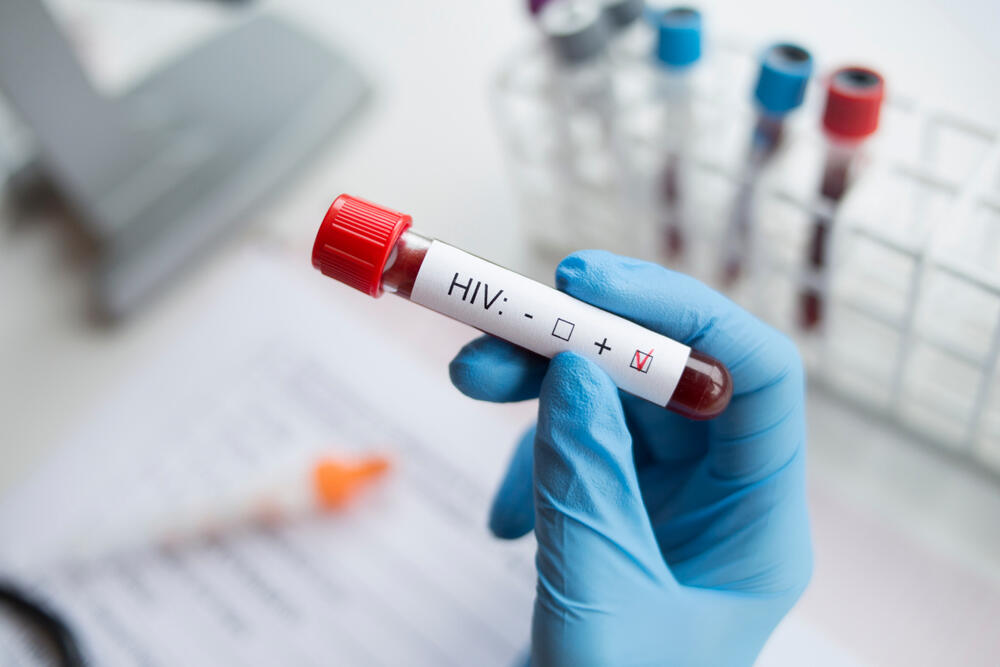
At least 10% do not know they are carriers
(Photo: Shutterstock)
A position paper published in March 2023 by the Israel Medical Association, together with several organizations including the Israeli Society for AIDS Medicine, the Society for LGBTQ Medicine and the Israel AIDS Task Force, said that “despite the advanced medical treatment and existing insurance coverage in Israel, it appears that the decline in carrier rates is moderate and does not match the treatment and educational options available in Israel and worldwide.”
The paper said the trend stems from “the absence of an organized national plan to eradicate and raise awareness of HIV.”
The Health Ministry acknowledged in its response that until now, there has been no comprehensive program for addressing AIDS in Israel or achieving the UN targets. Such a plan is now being developed, the ministry said, but no target dates for completing the work were provided.
MK Mazarsky said in response to the findings that many infectious diseases are preventable. “I chose to launch the lobby with an important issue: the unique challenges facing the possibility of eliminating HIV in Israel,” she said. “AIDS, which terrified people several decades ago, can now be prevented and eliminated. To this day, the State of Israel has not developed a comprehensive national plan to eliminate and raise awareness of the virus or laid out a strategy for this issue. Now is the time to set policy that matches UNAIDS' policy.”
George Avni, CEO of the Israel AIDS Task Force, said it is now clear that the major challenge in eliminating HIV is not only the virus, but also stigma. “We have the knowledge, the treatments and the tools to prevent new infections, but as long as people are afraid to get tested, take preventive treatment or disclose their status, we are not realizing our potential,” he said.
Avni said impressive changes have been made in the field of HIV in Israel in recent years, “but the work cannot rely only on the commitment of professionals and civil society organizations.”
“National responsibility and coordinated action by all systems are needed,” he said. “The lobby is an opportunity to turn the eradication of HIV into a national mission, based on cooperation among all state systems.”