

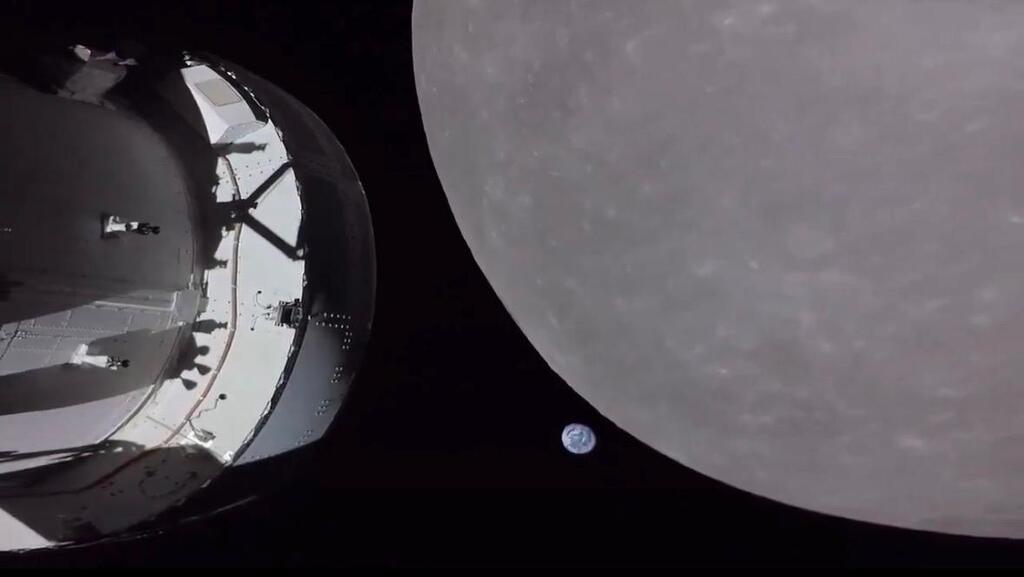
The Artemis 2 mission reached a major milestone early Tuesday as the spacecraft passed its closest point to the moon at about 2 a.m. Israel time, at a distance of roughly 6,544 kilometers (4,066 miles) from the lunar surface.
Minutes later, the crew reached the farthest point from Earth in human history, at 406,684 kilometers (252,700 miles), surpassing the previous record set by Apollo 13 astronauts in 1970 by about 6,500 kilometers (4,040 miles).
The solar eclipse observed by the Artemis 2 astronauts
(Video: NASA)


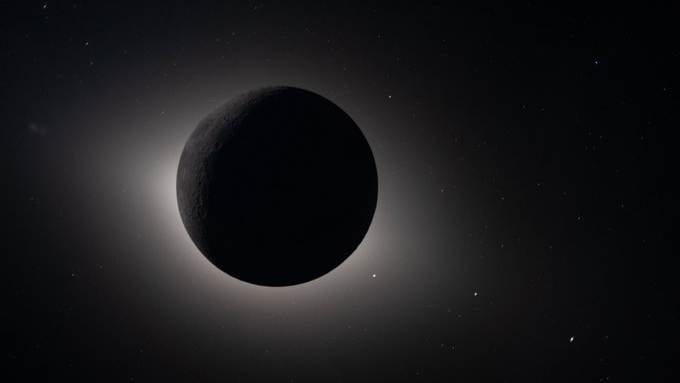
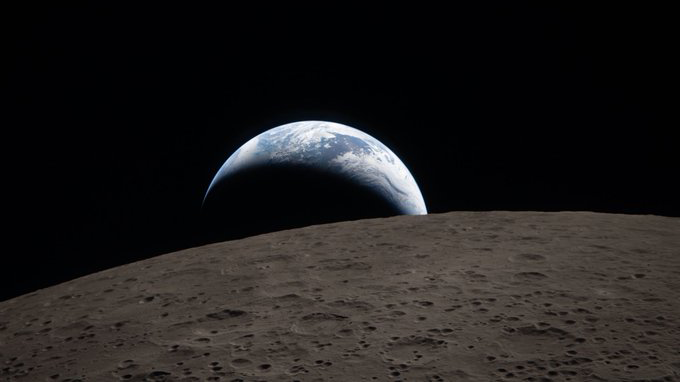
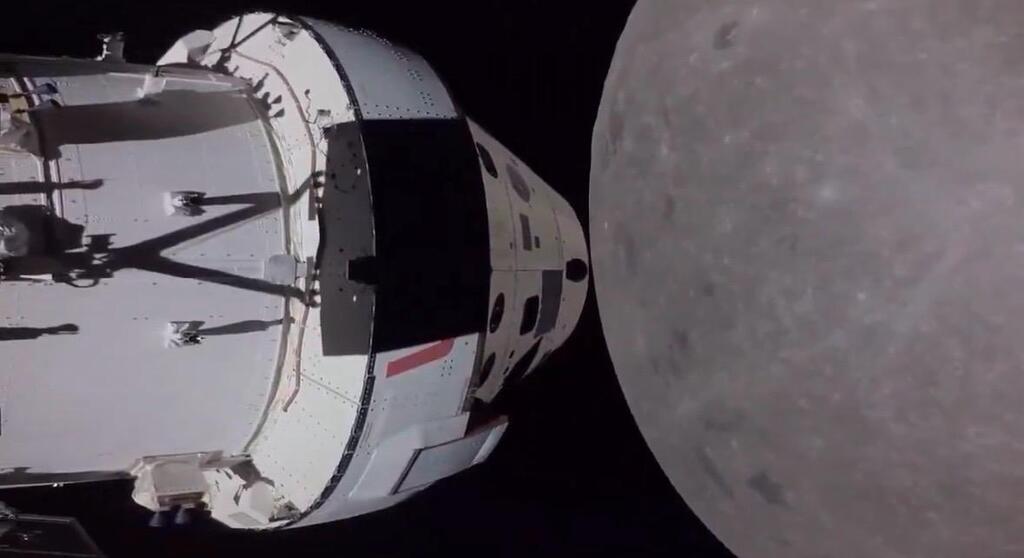
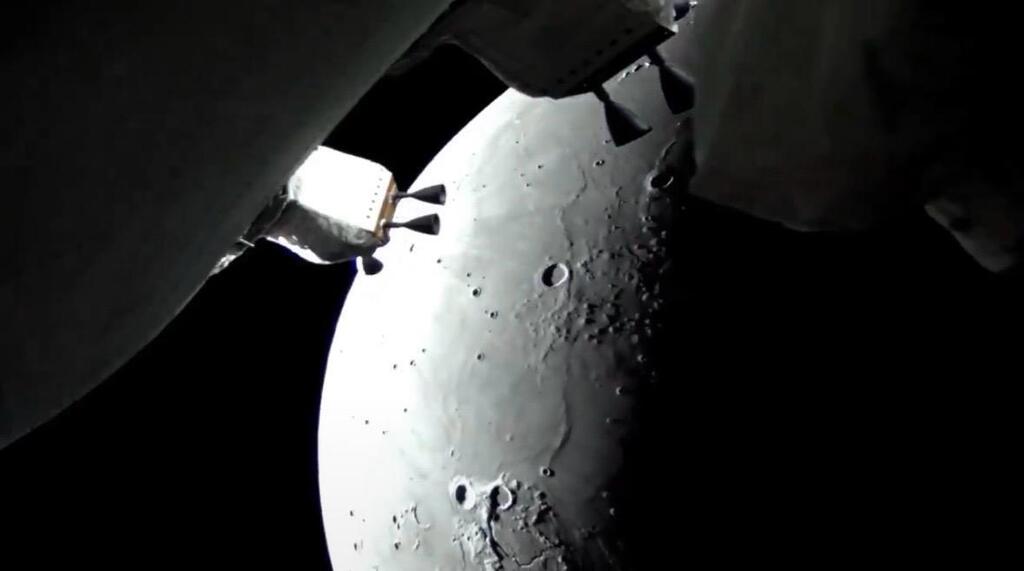
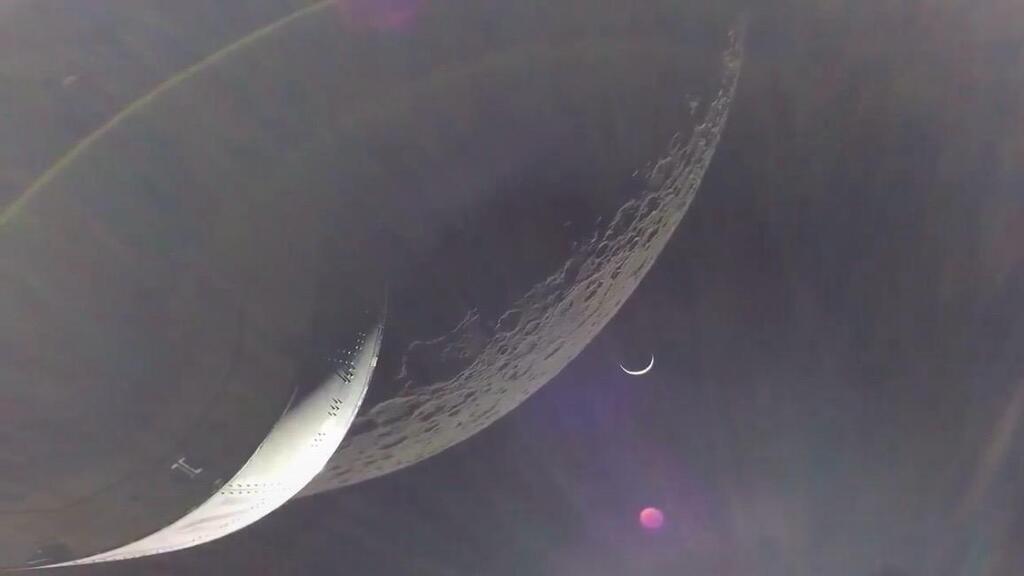
Later in the day, the White House released the first images taken from the moon’s far side. The photos, captured by NASA’s Orion spacecraft, show Earth rising above the lunar horizon, as well as a rare view of a solar eclipse from lunar orbit, where the moon blocks the sun.
“Reid, Victor, Christina and Jeremy have traveled farther than any humans in history and are now beginning their journey home,” NASA Administrator Jared Isaacman wrote on X. “Before they left, they hoped this mission would be forgotten, but it will be remembered as the moment people began to believe again that America can achieve the near impossible and change the world.”
(Photo: NASA)
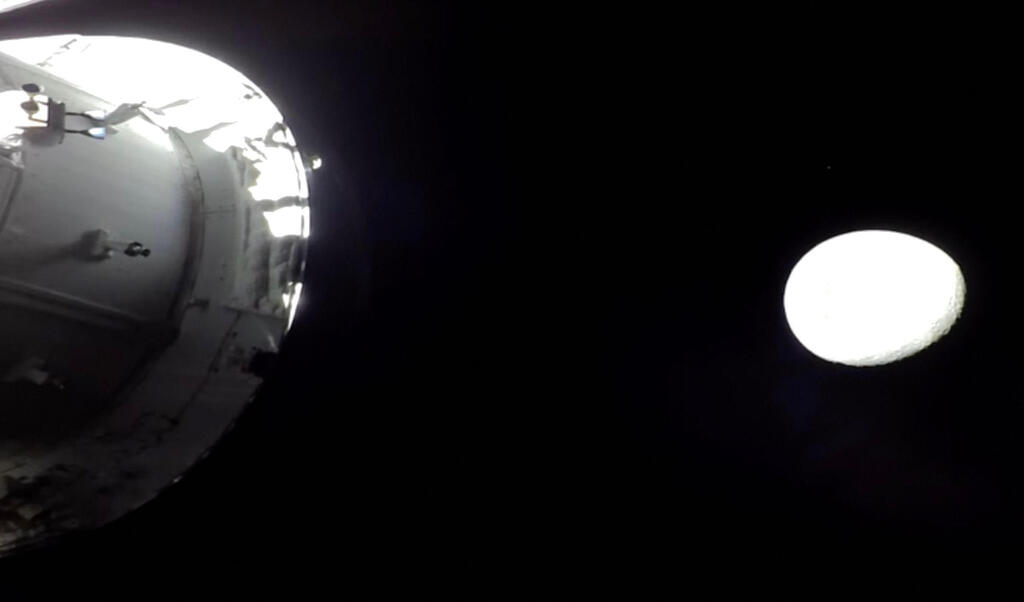
The Orion spacecraft and the moon
(Photo: NASA)
(Photo: NASA)
He congratulated the crew and mission teams, adding: “It’s not over until they safely splash down in the Pacific Ocean.”
The astronauts also spoke with U.S. President Donald Trump, who told them: “Today you made history and made all of America very proud — extraordinarily proud.”
The sixth day of the mission, which included the lunar flyby, began with a recorded message from astronaut Jim Lovell, who died in 2025. Lovell commanded Apollo 13 and previously flew on Apollo 8, the first mission to carry humans to the moon without landing.
“Welcome to my old neighborhood,” Lovell said in the recording. “On Apollo 8, Frank Borman, Bill Anders and I were the first humans to see the moon up close, and we saw our planet in a way that inspired unity across Earth. I am proud to pass the torch to you as you fly by the moon and pave the way to Mars, for the benefit of all.”
About five hours before reaching their closest approach to the moon, the crew marked their record-breaking distance.
“We do this in recognition of the immense efforts of those who came before us,” Canadian astronaut Jeremy Hansen said on behalf of the crew. “More importantly, we choose this moment to challenge our generation and the next to ensure this record does not stand for long.”
As they approached the moon, the astronauts proposed names for two previously unnamed craters. One was suggested to be called “Integrity,” after the Orion spacecraft. The second was proposed as “Carol,” in memory of mission commander Reid Wiseman’s wife, who died of cancer in 2020 at age 46.
The crew became emotional during the tribute, embracing as the request was read to mission control.
(Photo: NASA)
(Photo: NASA)
The closest point to the moon
(Photo: NASA)
(Photo: NASA)
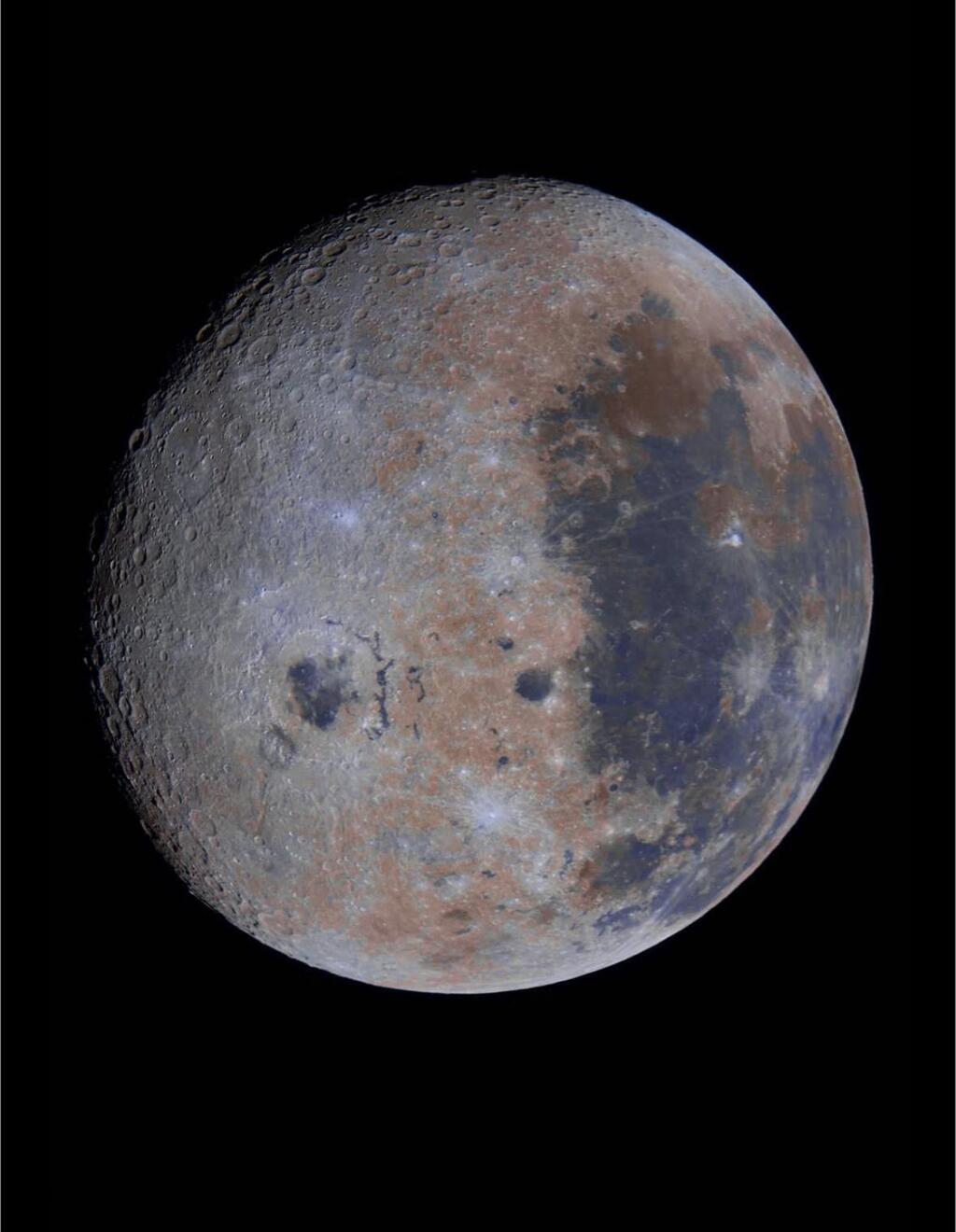
Afterward, they resumed scientific work, focusing on detailed lunar observations. At any given time, two astronauts photographed the surface while the others assisted using specialized software to identify and document craters and geological features.
Among the main targets were the Orientale basin, a roughly 1,000-kilometer-wide (620-mile-wide) crater never fully observed by a crewed mission, and the Hertzsprung crater on the moon’s far side, about 600 kilometers (373 miles) in diameter. Comparing the two may provide insights into the moon’s early geological processes.
The astronauts also recorded verbal observations, transmitting all data back to mission control for analysis by NASA scientists.
During the mission, they reported seeing flashes believed to be small meteorite impacts on the moon, which, if captured on camera, could mark a significant scientific achievement.
One unexpected challenge came from Earth itself. Reflected light from the planet illuminated the spacecraft and interfered with observations, forcing the crew to improvise by placing a dark shirt near the window.
The closest approach and record distance occurred while the spacecraft was behind the moon, temporarily losing communication with Earth for about 40 minutes. When contact was restored, the astronauts saw Earth rise again above the lunar horizon.
The spacecraft has now begun its return journey, which is expected to take four days. Splashdown is scheduled in the Pacific Ocean off the coast of Southern California on Friday, April 10, just after midnight Israel time.
The next phase of the mission will include scientific debriefings, equipment checks and preparations for reentry, along with outreach activities and further experiments.