

A weight-loss drug from the same family as Wegovy and Ozempic has shown encouraging early results in children as young as 6, with Novo Nordisk reporting that 40% of participants who adhered to treatment were no longer classified as having obesity after 68 weeks.
The findings come from preliminary results of a Phase 3 trial released Monday by the company. Semaglutide, the active ingredient in Wegovy and Ozempic, is not approved for obesity treatment in children under 12.
Gallery

Novo Nordisk reports promising semaglutide results in children as young as 6
(Photo: Shutterstock)
The trial included 165 children ages 6 to 12 with obesity from several countries. Participants received either semaglutide or a placebo, while both groups also underwent lifestyle intervention including a reduced-calorie diet and increased physical activity.
According to Novo Nordisk, 40% of children in the semaglutide group were below the obesity threshold at the end of 68 weeks, compared with none in the placebo group, when the results were analyzed under the assumption of full treatment adherence.
That qualification is important. In real-world treatment, adherence may be incomplete, meaning the proportion achieving the same result could be lower, potentially substantially so.
The results are also preliminary. The full trial data have not yet been published or peer-reviewed and are expected to be presented at the ObesityWeek conference in Washington from Nov. 14 to 17.
More than 85% of participants entered the trial with Class 2 or Class 3 obesity, according to the company, levels that correspond in adults to a body mass index of at least 35 and 40, respectively.
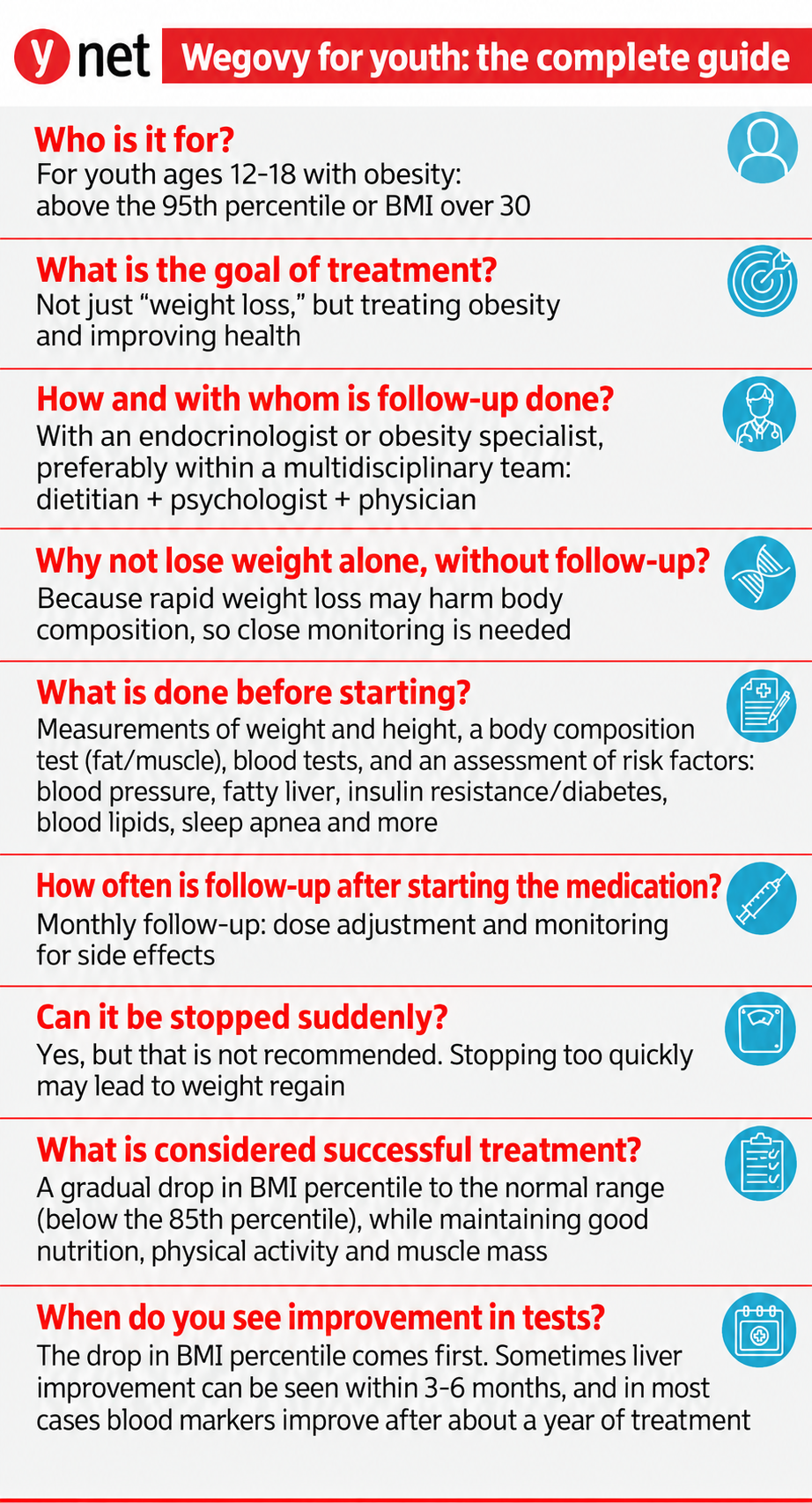
Novo Nordisk said the study met its primary endpoint, showing a significantly greater reduction in BMI at week 68 among children receiving semaglutide compared with those given a placebo.
“Childhood obesity is particularly concerning because of its immediate and long-term health effects, including a strong tendency to persist into adulthood and an increased risk of early obesity-related complications,” said Prof. Ania Jastreboff, director of the Yale Obesity Research Center.
“Most of the children in the trial were classified as having severe obesity at baseline, and yet semaglutide treatment brought around 40% of them below the obesity threshold within about a year,” she said.
Novo Nordisk Chief Scientific Officer and head of research and development Martin Holst Lange said the company was encouraged by the STEP Young trial results and by semaglutide’s potential to help children with obesity who require medical treatment alongside lifestyle changes.
He said such treatment could help reduce serious health risks later in life.
No new safety signals reported
Novo Nordisk said the drug’s safety and tolerability profile was consistent with previous trials in adults and adolescents and that no new safety risks were identified, including in relation to children’s growth or sexual development.
The trial was randomized, double-blind and placebo-controlled, meaning participants were randomly assigned to receive either the drug or a placebo, and neither they nor their doctors knew which treatment they were receiving until the results were analyzed.
That design is considered the gold standard for testing drug efficacy because it reduces the risk that expectations from patients or clinicians will influence the findings.
Children in the trial received a maximum semaglutide dose of either 1.7 mg or 2.4 mg, depending on their weight at the start of the study.
Prescriptions rise sharply among children
Semaglutide belongs to a class of medications known as GLP-1 receptor agonists, which mimic a naturally occurring hormone involved in regulating blood sugar and body weight. It is marketed under the brand names Wegovy, Ozempic and Rybelsus.
Childhood obesity is associated with cardiovascular risk factors as well as psychological and social difficulties including depression and bullying, and it often continues into adulthood.
According to estimates cited by Novo Nordisk, about 177 million children and adolescents ages 5 to 19 were living with obesity in 2025, a figure projected to rise to roughly 228 million by 2040.
In Israel, Wegovy is included in the national health basket for adolescents who meet eligibility criteria, but it is not approved for use in children under 12.
The new Novo Nordisk results come as GLP-1 drugs are increasingly being prescribed to younger patients even before formal approval for those age groups.
A U.S. study published Friday in the journal Pediatrics found that prescriptions for GLP-1 drugs among children ages 8 to 11 had increased 310-fold since 2019.
The absolute numbers remain low. As of June 2026, around 0.6% of children in that age group had received such a prescription, compared with about 0.9% of adolescents ages 12 to 17.
The researchers, led by Dr. Babak Orandi of NYU Langone Health, analyzed data from more than 3.5 million children ages 8 to 11 with obesity but without diabetes.
Although the drugs are not approved for obesity treatment below age 12, some clinical guidelines allow their use from age 8 in certain cases.
Among children who received GLP-1 prescriptions, 94% had severe obesity and around 65% had at least one additional condition, such as high cholesterol, high blood pressure or sleep apnea.
Orandi said that although the total number of children receiving the drugs remains small, the increase suggests use is accelerating rapidly and underscores the need for long-term monitoring to establish that the medications remain safe and effective.
Clinical trials are already moving into younger age groups, with the STEP Young trial representing the next stage in that trend.
For now, however, the findings remain preliminary. Until the full data are published and reviewed, questions remain about the magnitude of the benefit, long-term safety and how closely trial results will translate into routine treatment for children.