


Does switching to e-cigarettes really eliminate the harms of smoking? A new study published in the leading medical journal Nature Medicine suggests the answer is more complicated than commonly believed. According to the findings, smokers who quit conventional cigarettes but continue using e-cigarettes may derive fewer health benefits from quitting, particularly when it comes to reducing the risk of lung cancer and death.
The study, based on real-world data from a large nationwide cohort, found that e-cigarette use after smoking cessation may weaken some of the protective effects of quitting. The researchers called for further studies to better understand the long-term consequences of using these products and to develop evidence-based recommendations for the public and health care systems.
Gallery

More than 4.5 million people: study raises questions about e-cigarettes
(Photo: Shutterstock)
The researchers noted that although e-cigarettes have long been marketed as a tool that can help people quit smoking, few studies have examined their long-term effect on cancer risk among people who have already stopped smoking conventional cigarettes. They said this is one reason for the continuing debate over whether switching to e-cigarettes truly reduces harm or instead sustains nicotine addiction and exposure to substances that may promote inflammation, oxidative stress and processes associated with cancer development.
How the study was conducted
Prof. Elizabeth Dudnik, head of thoracic oncology at Assuta Medical Centers, said e-cigarettes are often presented as a safer alternative to conventional smoking, but a recently published large-scale population study paints a more complex picture.
According to Dudnik, the researchers followed more than 4.5 million former smokers in South Korea using health insurance records and the national death registry.
 Prof. Elizabeth DudnikPhoto: Victoria Manshirov
“Former smokers who continued using e-cigarettes were found to have a 56% higher risk of developing lung cancer and a 22% higher risk of death from any cause compared with former smokers who did not use them,” she said.
She added that compared with active smokers, former smokers who did not use e-cigarettes had a 44% lower risk of lung cancer and a 37% lower risk of death from any cause. Among those who continued using e-cigarettes, however, the reductions were more modest: just 12% for lung cancer and 23% for death.
Can the results be trusted?
To ensure that the findings were not caused by differences between the groups, the researchers conducted several additional analyses. They examined whether e-cigarette users had quit smoking only recently, whether they had previously been heavier smokers or whether their health had been worse to begin with.

Researchers found a link between e-cigarette use after quitting smoking and a higher risk of lung cancer
(Photo: Shutterstock)
The results remained similar in each scenario, including after statistical adjustments and after excluding cases in which lung cancer was diagnosed during the first year of follow-up.
The study also found that the increased risk was not limited to people who had quit smoking in recent years. Researchers identified an association between e-cigarette use and higher risk among people who had stopped smoking more than five years earlier, noting that the link was even more pronounced in this group. They said the finding strengthens the assessment that the results cannot be explained solely by the amount of time that had passed since smoking cessation.
Dudnik stressed, however, that “the study does not prove that e-cigarettes cause lung cancer. Rather, it indicates that using them after quitting smoking may reduce some of the health benefits of cessation.”
The authors of a commentary published in Nature Medicine also emphasized that the study cannot establish that e-cigarettes directly cause lung cancer because the disease develops over many years. They raised the possibility, however, that vaping products may promote cancerous processes that have already begun, even if they were not the initial cause.
They therefore called for additional research into the long-term biological effects of e-cigarettes.

A new study found that e-cigarettes may reduce the health benefits of quitting smoking
(Photo: Shutterstock)
That possibility is also consistent with the findings of a comprehensive scientific review published this year in the journal Carcinogenesis, which examined hundreds of studies published from 2017 through 2025. The researchers found that exposure to e-cigarette vapor was associated with a range of biological changes considered early stages in cancer development, including DNA damage, oxidative stress, chronic inflammation and epigenetic changes.
Evidence was also found of potentially carcinogenic substances in e-cigarette vapor, including nitrosamines, metals and certain flavoring ingredients.
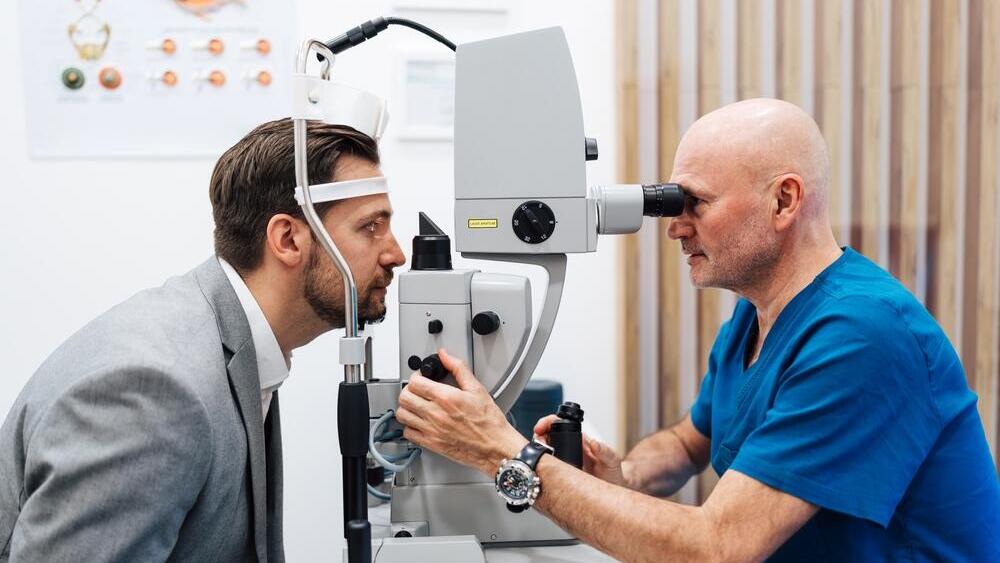
Another study found a link between e-cigarette use and an increased risk of eye disease
(Photo: Shutterstock)
Dudnik said that when e-cigarettes are used as a temporary smoking-cessation tool, users should aim to stop using them as well, particularly those at increased risk of lung cancer.
“The ultimate goal should be complete cessation of smoking and nicotine use, with professional guidance and treatments that have been proven effective,” she said.
The article’s authors offered a similar message, stressing that the World Health Organization’s existing recommendations remain unchanged by the study. The preferred approach to smoking cessation is still a combination of behavioral support and medications that have been shown to work, they said.
When e-cigarettes are used as part of the quitting process, they should be viewed only as a temporary measure rather than a permanent solution, with the goal of obtaining the full health benefits of smoking cessation.
Not only lung cancer: eye disease is also a concern
Alongside concerns about the potential effect of e-cigarettes on lung cancer risk, new studies are examining their impact on other organs and systems. One study, recently published in the American Journal of Ophthalmology, examined the link between switching to e-cigarettes after quitting smoking and the risk of eye disease.
 Dr. Anry Pitchkhadze Photo: Maccabi Healthcare Services
Dr. Anry Pitchkhadze, an ophthalmologist with Maccabi Healthcare Services, one of Israel’s four national health maintenance organizations, said researchers in South Korea analyzed data from 179,273 former smokers.
After statistical adjustment, they compared 32,316 participants with similar characteristics, including age, sex, underlying medical conditions and lifestyle. The participants were divided into two groups: those who stopped using nicotine entirely and those who quit conventional cigarettes but switched to noncombustible nicotine products, including e-cigarettes. They were followed for an average of 4.6 years.
According to Pitchkhadze, those who switched to e-cigarettes had a 24% higher risk of developing diabetic retinopathy, a disease that damages blood vessels in the retina and can lead to impaired vision or blindness, compared with those who stopped using nicotine entirely.
Researchers also observed a 7% higher risk of developing serious eye diseases and a 7% increase in the risk of disorders affecting the eye’s ability to focus. They stressed, however, that the observational study does not establish a causal relationship.
“These findings challenge the assumption that e-cigarettes are a healthy alternative to conventional smoking,” Pitchkhadze said.
According to the Israel Cancer Association, about 15% of Israelis use e-cigarettes, including about 24% of those ages 16 to 24. Studies have linked e-cigarette use to harm to the developing brains of children and adolescents as well as damage to heart health and fertility.
The association’s CEO, Moshe Bar-Haim, said: “Sweet-flavored e-cigarettes are designed to attract children and teenagers. Israel should ban flavors in smoking products.”