


Few health recommendations sound simpler than “drink more water.” It seems logical enough: more than half of the human body is made up of water, and we are constantly reminded how important hydration is.
But behind that familiar advice are several questions that are less straightforward than they appear. How much water do we really need? Can we trust thirst? What does urine color actually tell us? And should everyone really aim for three liters a day? Dr. Kay Alkara, a family physician with Maccabi Healthcare Services in northern Israel, explains what matters and which familiar hydration rules deserve a second look.
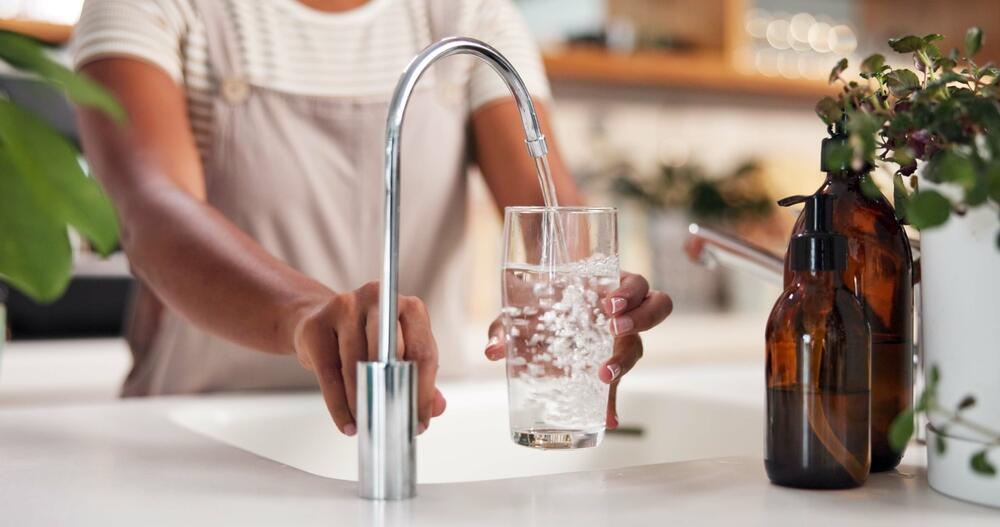
Why does the body need water?
“Water isn’t just something we drink so we won’t feel thirsty. It takes part in almost every system in the body,” Dr. Alkara said.
Water helps maintain blood volume, supports normal cell and tissue function, plays a role in digestion and allows the kidneys to remove waste. One of its most noticeable roles, especially in summer, is regulating body temperature.
“When the body heats up, it uses sweating and evaporation to release heat,” she explained. “But that effective cooling mechanism comes at a price. The more we sweat, the more fluid we lose, and therefore the need to replace it increases.”
That is why fluid needs rise during exercise, in hot weather and in situations where the body loses fluids rapidly, such as fever, vomiting and diarrhea.
Sweating may be the most obvious example, but water also performs less visible and equally essential functions inside the body. “The kidneys filter the blood and remove waste through urine. Fluid balance is closely tied to their ability to function properly,” Dr. Alkara said. Adequate fluid intake also supports digestion and can help prevent constipation.
So how much should we really drink?
There is no single amount of water that is right for everyone every day. One of the most frequently cited recommendations comes from the U.S. National Academies, which puts total daily water intake at about 3.7 liters for men and 2.7 liters for women.
But there is an important distinction. “That figure includes all the water the body gets from food and other beverages, not just the plain water you drink from a bottle,” Dr. Alkara emphasized.
Those figures apply to healthy people under moderate conditions, she added, with fluid needs increasing in hot weather and during physical activity. So the often-cited “three liters a day” rule does not mean everyone needs to drink three liters of plain water from morning to night.
There is also no simple scientific basis for assuming that drinking more is always better. A 2024 systematic review published in JAMA Network Open examined 18 randomized studies that looked at what happens when water intake is changed. Some found potential benefits, including effects on weight loss or fewer kidney stone episodes, while others found no clear advantage.
“The evidence for health benefits from increasing water intake remains limited and inconsistent,” Dr. Alkara said. For that reason, there is no clear basis for recommending that everyone simply drink substantially more water.
Put more simply: when it comes to water, more is not necessarily better. The goal is to drink enough.
Thirst, urine and heat: How do you know when you have had enough?
If there is no magic number of glasses or liters, how do you know when to drink? For most healthy people, the body already has a reasonably effective warning system: thirst.
“Feeling thirsty is part of the body’s natural regulation mechanism,” Dr. Alkara said. That means every sip does not have to be scheduled in advance, and most people do not necessarily need an app reminding them to drink throughout the day.
There are exceptions, however. In hot weather and during exercise, fluids may be lost more quickly, and in some populations thirst itself is a less reliable signal.
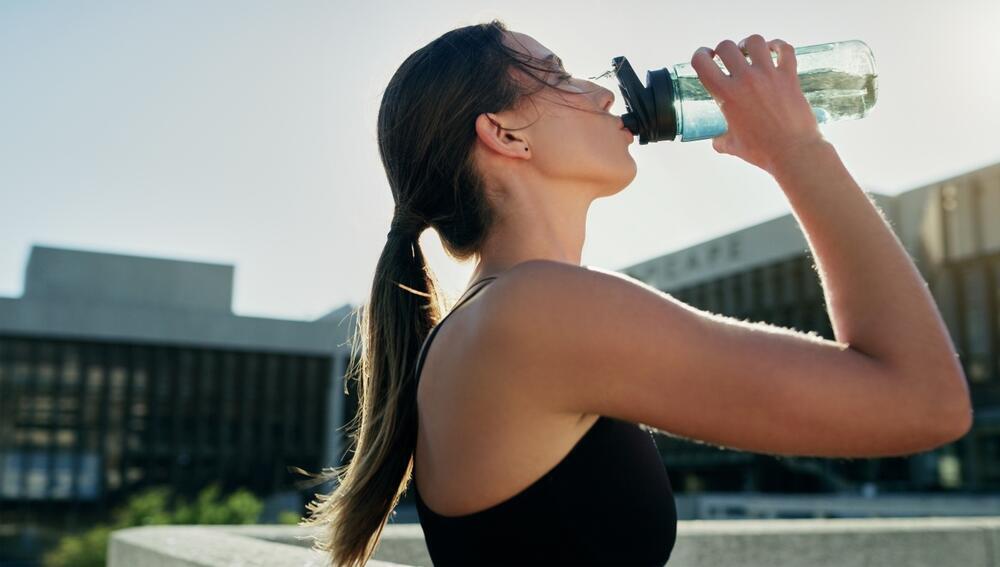
During exercise, the body can lose fluids more quickly
(Photo: Shutterstock/PeopleImages)
Another simple clue is urine color. “In general, pale yellow urine usually corresponds with better hydration, while darker, more concentrated urine can be a sign that the body needs more fluids,” Dr. Alkara explained.
But she cautioned against treating urine color as a medical test. “It can also change because of food, medications and other conditions,” she said.
What happens when you do not drink enough?
Dehydration occurs when the body loses more fluid than it takes in. It can begin after hours in the heat, during exercise or during an illness involving fever, vomiting or diarrhea. As fluid loss continues, symptoms can become more serious.
“Signs of dehydration can include thirst, dry mouth, headache, fatigue, weakness, dizziness and reduced urine output,” Dr. Alkara said. “In more significant cases, confusion, low blood pressure and deterioration in general condition can occur.”
But not every headache or feeling of fatigue should immediately be blamed on dehydration. “These are common symptoms that can have many causes,” she said. “But if they appear together with dark urine, reduced urination, heat exposure or significant sweating, fluid deficiency should also be considered.”

Fluid loss can occur even in air-conditioned environments
(Photo: Shutterstock/Dragana Gordic)
In Israel, those warnings take on added importance during periods of extreme summer heat, particularly for people spending time outdoors, working physically or exercising. “People who drank a certain amount on a cool, air-conditioned day may not be able to get by on the same amount during heavy heat,” Dr. Alkara said.
Older adults deserve particular attention. “For a healthy person, thirst is part of the body’s natural regulation mechanism, but in older adults it is not advisable to rely on thirst alone,” she said.
Older people are at higher risk of heat-related problems because of age-related changes in the body’s response to heat, underlying illnesses and certain medications.
The issue can be even more complicated for people who require nursing care. “You cannot always assume that a dependent person will ask for water,” Dr. Alkara said. “Sometimes there is a reduced sensation of thirst, physical difficulty reaching a drink or concern about needing to use the bathroom.”
In such cases, family members and caregivers have a greater responsibility to ensure that fluids are available and actually being consumed.

Dr. Kay Alkara
(Photo: Maccabi Healthcare Services)
A review published in May 2026 in BMJ Public Health found that dehydration related to low fluid intake was common among hospitalized older adults, with an estimated prevalence of about 23%, Dr. Alkara noted. Researchers also said previous studies had linked this type of dehydration with higher mortality and poorer health outcomes.
Young children also require special attention during hot weather. “Unlike an adult who can recognize thirst and go fill a glass, young children depend on adults to make sure they have adequate access to fluids,” she said.
Can you drink too much water? Absolutely
After all the warnings about dehydration, it is easy to forget that there is also a limit in the other direction. Yes, it is possible to drink too much water, and in extreme cases it can be dangerous.
“When someone drinks an enormous amount of water over a short period, the kidneys may not be able to get rid of the excess quickly enough,” Dr. Alkara explained. “The result can be a drop in blood sodium concentration, a condition known as hyponatremia.”
That can have serious consequences. “When sodium levels fall, water enters the cells and causes them to swell,” she said. “In severe cases, cerebral edema can develop, causing seizures and even become life-threatening.”
For a healthy person going about a normal routine, however, this is rare. The risk rises mainly when very large quantities are consumed in a short time, including during prolonged endurance exercise, when some athletes try to prevent dehydration by drinking far beyond their actual needs.
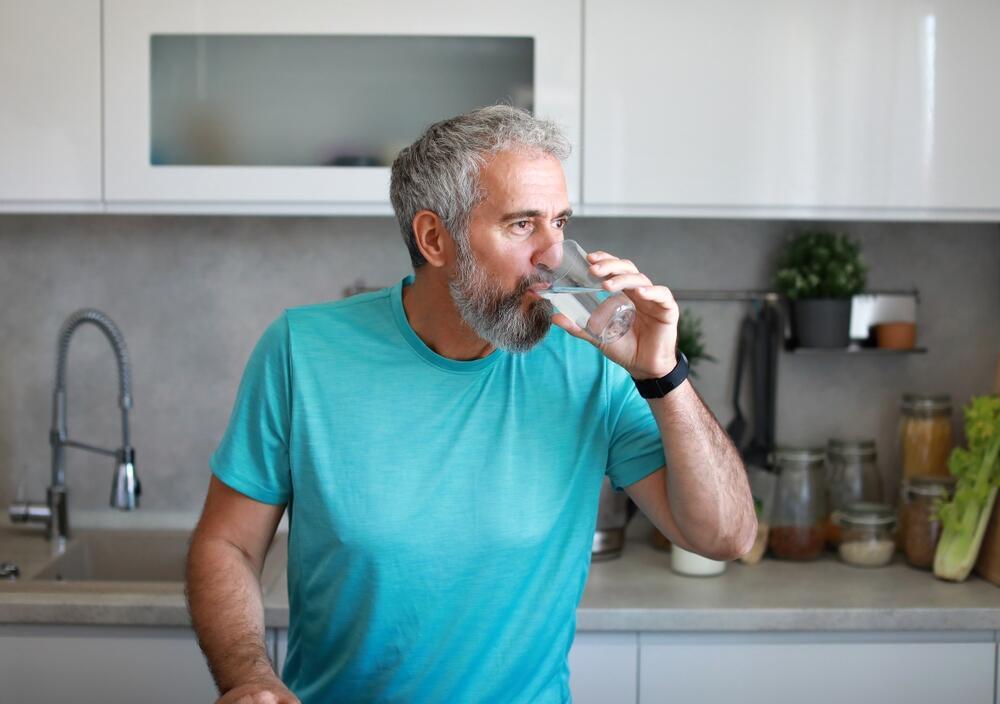
Yes, there is such a thing as too much water
(Photo: Shutterstock/pics five)
One extreme case resurfaced in Australia in 2026 during an investigation into the death of 47-year-old Tammy Shipley, who died in 2022 after consuming extraordinary quantities of water.
Evidence presented in the case indicated that she drank at least 67 glasses in about 12 hours. If each glass contained roughly 300 milliliters, that would amount to about 20 liters over half a day. An autopsy determined that she died from hyponatremia linked to compulsive overconsumption of water.
It was an exceptional case, and healthy people have no reason to fear an ordinary bottle of water. But it illustrates an important principle: even with water, more is not automatically better.
Morning water, pre-meal water and tap water: The familiar myths
Once the question of how much to drink is settled, several other persistent beliefs remain. One of the most common is the supposed importance of drinking a glass of water immediately after waking.
“There is no special medical need for a healthy person to drink a certain amount of water immediately after waking up,” Dr. Alkara said. If you wake up thirsty, by all means drink. But the idea that a morning glass of water “flushes toxins” or triggers a special detox process is another matter.
“The kidneys and liver carry out the body’s waste-removal processes continuously,” she said. “Water supports their normal function, but there is no need to present drinking water in the morning as a medical treatment in itself.”
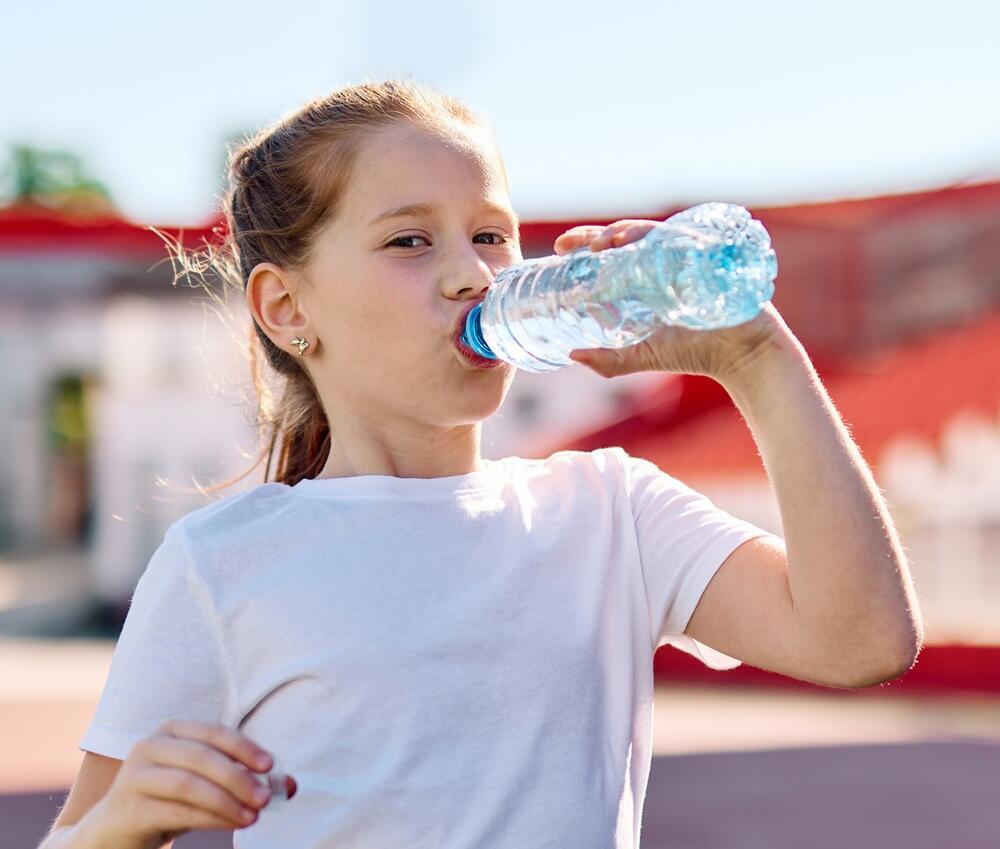
Pay special attention to children
(Photo: Shutterstock/pics five)
Another popular claim is that drinking one or two glasses before a meal helps with weight loss by making people feel fuller. Again, the picture is more complicated. “Drinking a glass of water before a meal is not a substitute for a balanced diet,” Dr. Alkara said.
A systematic review and meta-analysis of eight randomized trials involving people with overweight or obesity found that simply increasing water intake did not significantly reduce body fat. Replacing sugary drinks with water, however, may help by cutting sugar and calorie intake.
And what about the longstanding debate between tap water and mineral water? “In terms of hydration, the important thing is to drink water,” Dr. Alkara said.
In Israel, drinking water is monitored by the Health Ministry, with tens of thousands of microbiological and chemical tests carried out each year throughout the supply chain. The public can also review drinking water quality data through the ministry’s “My Water” online database system.
Mineral content also varies from one source to another. “The mineral content differs among different water sources, and magnesium concentrations in tap water also vary by location,” Dr. Alkara said.
She added that the Health Ministry notes there is currently no World Health Organization recommendation establishing a minimum magnesium concentration for drinking water.
So which is better? For a healthy person, there is no absolute winner. “The choice between tap water and mineral water is largely a matter of taste, convenience and personal preference, as long as the water is safe to drink,” Dr. Alkara concluded.