


Moving to Israel is exciting, but being a parent in a new country can also be stressful. Many new olim tell me that one of their biggest concerns is not knowing when a sick child needs immediate medical attention and when it's safe to care for them at home.
Israel's healthcare system is designed to make pediatric care accessible, but understanding the warning signs can help you feel more confident and avoid unnecessary trips to the emergency room.
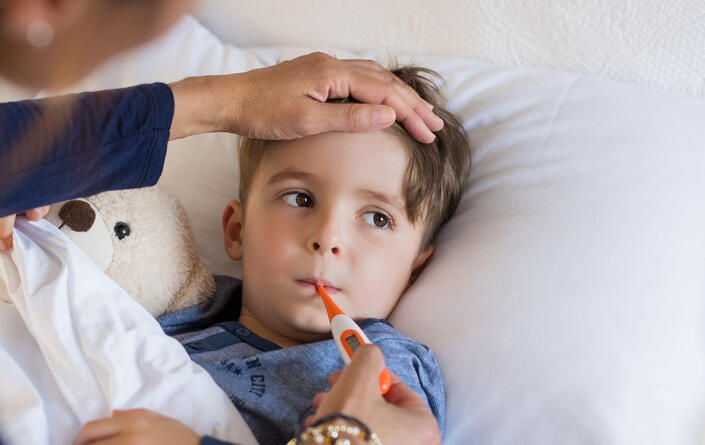
The good news is that most childhood illnesses are mild and pass on their own. The key is knowing when symptoms require urgent medical evaluation.
Look at your child, not just the thermometer
One of the most important things I tell parents is this: don't focus only on the fever.
If your child is awake, smiling, drinking fluids, eating reasonably well and interacting with you, the illness is usually not an emergency. In many cases, it's appropriate to monitor them at home and arrange an appointment with your family pediatrician if symptoms continue.
What concerns me much more is a child whose behavior changes dramatically. If your child becomes unusually sleepy, cannot be awakened, is extremely irritable or cannot be comforted, they should be examined by a doctor as soon as possible.
Fever isn't always dangerous, but age matters
Many parents panic when they see a high temperature. In reality, fever is often the body's normal response to fighting an infection. However, there are important exceptions.
Any fever in a baby younger than two months old requires immediate medical evaluation because newborns' immune systems are still developing, and serious infections may not always look severe at first. For older infants and children, a fever lasting more than three days should also be evaluated, as it may indicate a bacterial infection that requires further testing or treatment.
Israel's climate brings another challenge: dehydration
For families arriving from cooler countries, Israel's hot climate can take some getting used to. Children lose fluids quickly, especially during the summer, after playing outside, or when they have vomiting or diarrhea. I often remind new olim that dehydration can develop faster than they expect.

'Children lose fluids quickly, especially during the summer'
(Photo: shutterstock)
Watch for warning signs such as:
- Very few wet diapers
- Dark urine
- Dry lips or mouth
- No tears when crying
- A sunken soft spot (fontanelle) in infants
- Unusual weakness or excessive sleepiness
If you notice these symptoms, your child should be evaluated promptly. Severe dehydration sometimes requires intravenous fluids.
Breathing difficulties are always urgent
If your child is struggling to breathe, don't wait. Babies may breathe very rapidly, grunt or pull in the muscles between their ribs with each breath. Older children may have difficulty speaking in full sentences because they're short of breath. These symptoms require immediate medical attention.
Most rashes are harmless, but a few are not
Many childhood viruses cause both fever and rash, and most are not dangerous. However, if your child develops a dark red or purple rash that does not fade when you press on it, particularly if they also appear very ill, sleepy or difficult to wake, seek emergency medical care immediately. While uncommon, this type of rash can signal a serious bacterial infection that requires urgent treatment.
Other situations that should never be ignored
As a pediatrician, I recommend immediate medical evaluation if your child experiences:
- Their first seizure
- A head injury with loss of consciousness, repeated vomiting or unusual drowsiness
- A fall of more than 50 centimeters if they are an infant
- Swelling of the lips or face or difficulty breathing after an allergic reaction
- Burns larger than the size of your child's palm or burns with blisters
- Sudden severe pain in a boy's testicle
- An arm or leg injury that prevents normal movement or walking
- Suspected poisoning
- Severe abdominal pain, particularly without diarrhea
- Unexplained bruising or purple spots that don't disappear when pressed
- A dog or cat bite, which may require vaccination and wound treatment
A message to new olim
Starting over in a new country means learning a new healthcare system, a new language and often new parenting routines. That can feel overwhelming.
Remember that you don't have to navigate it alone. Your family pediatrician is there not only to treat illness but also to answer questions and help you decide when something truly requires urgent care.
 Dr. Amir Kalivitzky Photo: Facebook
Most childhood illnesses improve with rest, fluids and time. Learning to recognize the warning signs will help you feel more confident and ensure your child receives medical attention quickly when it really matters.
Israel is a wonderful place to raise children, and one of its greatest strengths is its accessible healthcare system. Don't hesitate to use it whenever you're unsure.
Dr. Amir Kalivitzky is a pediatrician and infectious diseases specialist at Clalit and director of the Bat Yam Child Health Center.
- This article is intended for general educational purposes and should not replace individualized medical advice.
First published: 15:21, 07.24.26