

Ambitious plans by NASA and other space agencies to establish a human settlement on the moon, as preparation for future missions to Mars and even more distant planets, have been making headlines in recent days. But space crews face extreme challenges that affect both body and mind: zero gravity, dangerous radiation, distance from Earth, social isolation and a hostile, enclosed environment.
An international research team, in a study published in the journal Proceedings of the National Academy of Sciences, examined how these conditions affect crew dynamics during a 10-month winter mission at Concordia Station in the heart of Antarctica. The station is one of the most isolated places on Earth, where winter temperatures plunge to minus 80 degrees Celsius. Because of its extreme isolation, it serves as an excellent model for future long-duration missions to the moon or Mars.
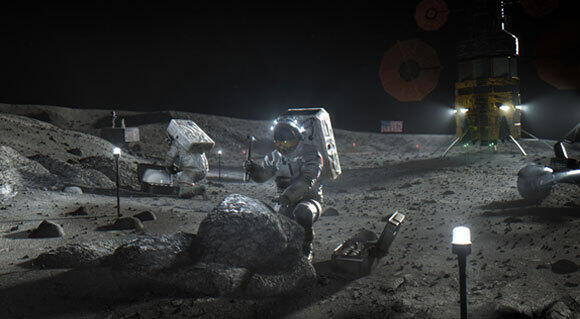
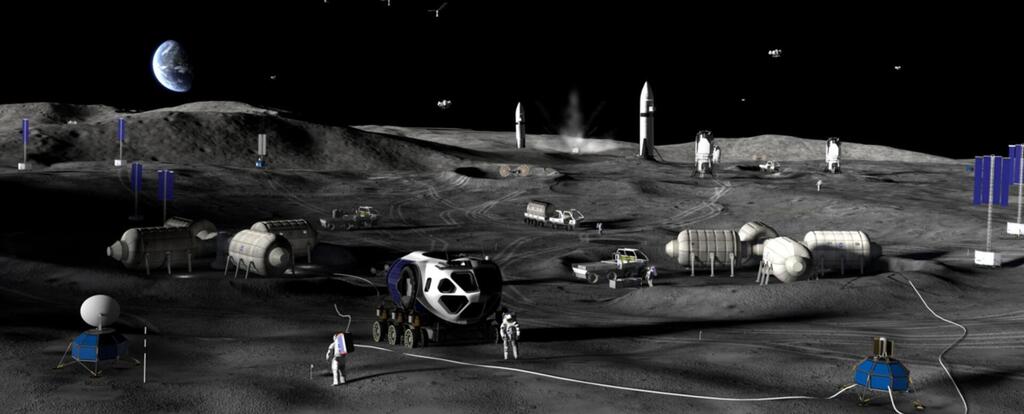
NASA’s plan for human settlement on the moon
(Rendering: NASA/Edmy S. Cruz Reyes)
During the 10-month mission, 12 crew members completed questionnaires at four different points. They also wore sensors that automatically recorded when and for how long they were near one another. This allowed researchers to track how social relationships, loneliness, mistrust, conflicts and cohesion among crew members developed over time, as well as their perception of performance during the mission.
One particularly striking finding was that greater physical proximity did not necessarily have a positive effect. People who had more frequent contact with other crew members tended to report emerging conflicts, growing mistrust and reduced performance. The results indicate that isolation or increased proximity in closed, remote environments can have very negative consequences.
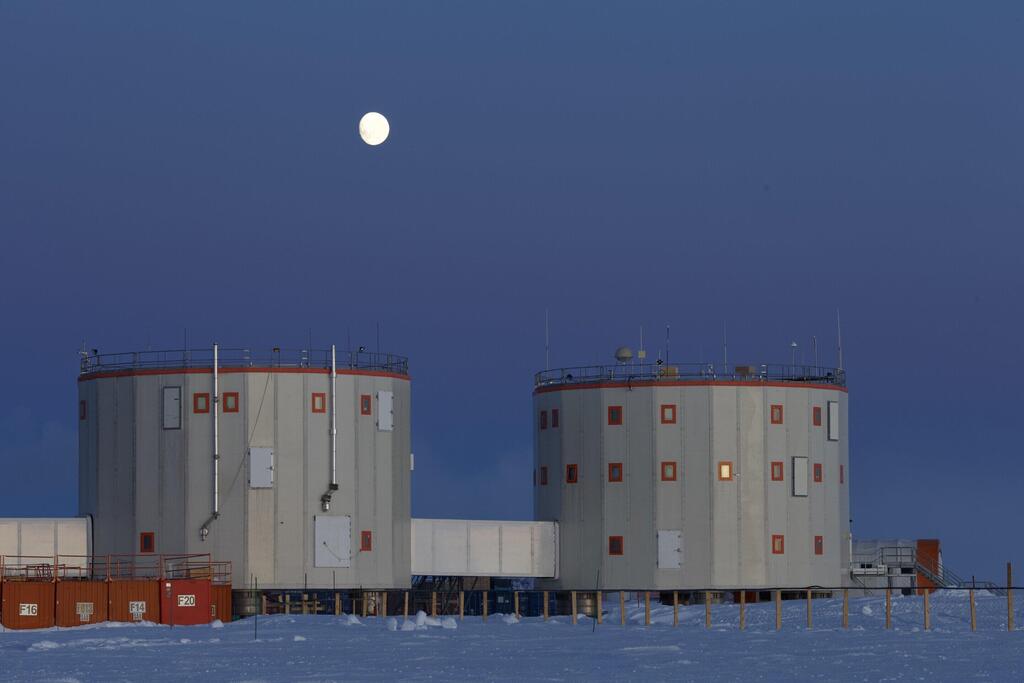
Concordia Station in Antarctica, one of the most isolated and remote places in the world
(Photo: University of Zurich)
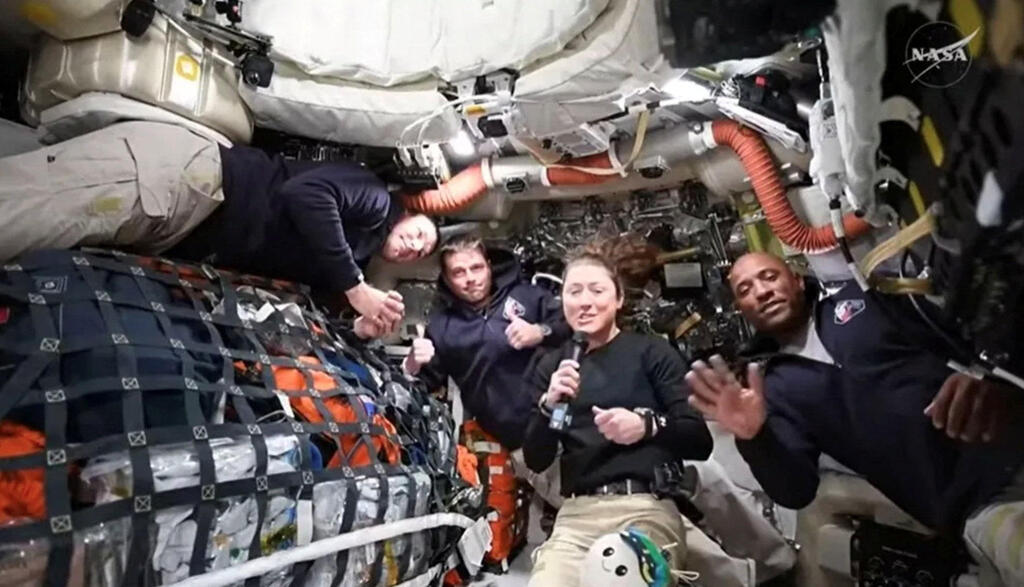
The Artemis 2 crew on their mission to the moon
(Photo: NASA TV/Reuters)
Dr. Jan Schmutz of the University of Zurich’s Department of Psychology, who led the research team, said the findings suggest that in small teams operating under extreme conditions, more contact does not necessarily translate into social support and may instead heighten tensions. He cautioned that because the analyses are correlational, they do not prove causation, noting that lonely participants may have sought more contact, but those interactions may not have been sufficiently rewarding.
The sensor data also showed that crew members increasingly split into subgroups as the mission progressed. Crew members tended to seek out mission colleagues who shared the same language or nationality. Such patterns can provide support and orientation in stressful situations. At the same time, they may increase the risk of social division and weaken cohesion within multicultural teams.
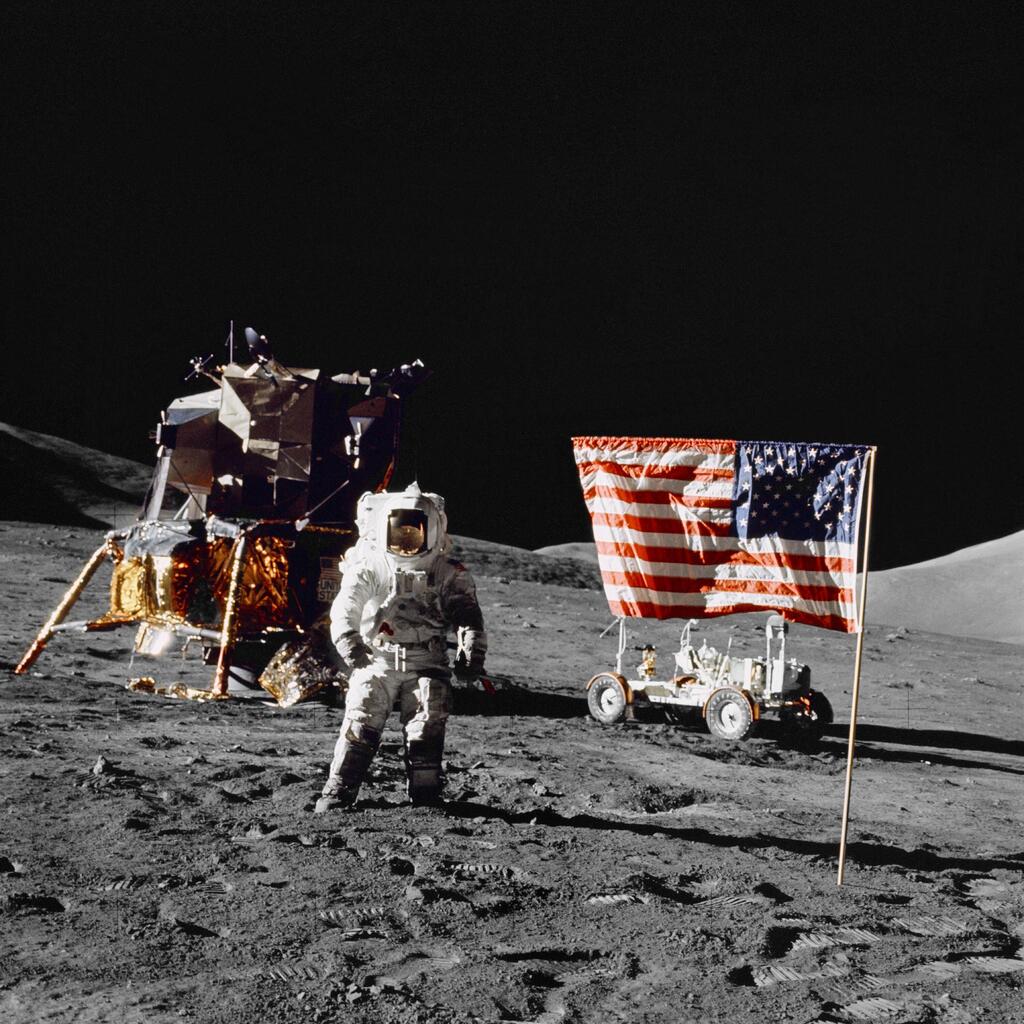
Astronaut Harrison Schmitt, a member of the Apollo 17 mission in 1972, on the moon
(Photo: NASA/Reuters)
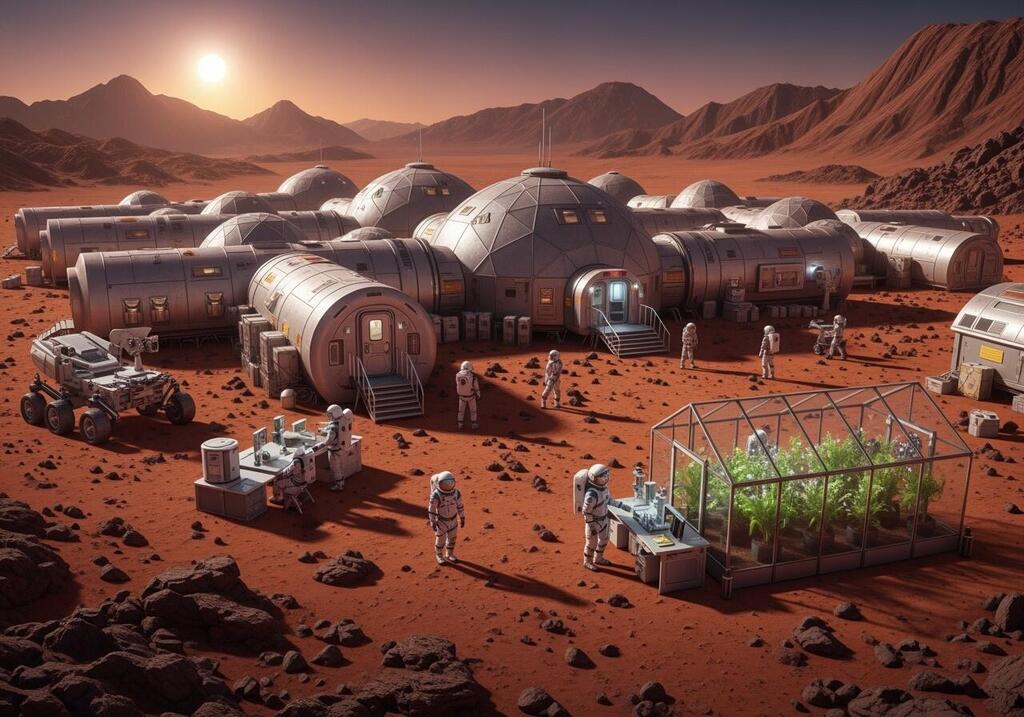
Astronauts on Mars
(Rendering: Shutterstock AI)
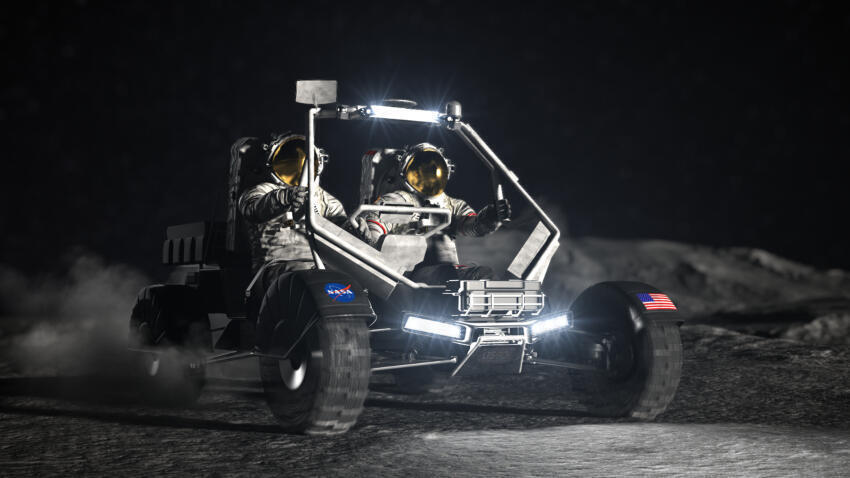
Astronauts on the moon
(Rendering: NASA)
The study is especially relevant to future long-duration space missions, in which small crews must live and work together for months or years with little privacy and limited contact with the outside world. However, the findings may also apply to other extreme environments, such as submarines, offshore oil rigs and remote research stations.
“The results show how important it is to identify social dynamics at an early stage and provide teams with targeted support,” Schmutz said.
The study also found that the sensors worn by participants can function reliably even under extreme conditions. The sensors make it possible to track changes in crew members’ daily routines without significantly disrupting their activities. Future research will examine more closely which social interactions help reduce stress and which may create additional strain.