

As Israelis continue to navigate economic pressure, security concerns and the emotional toll of prolonged uncertainty, employee mental health is moving from a workplace perk to a business priority.
A new survey conducted by the Geocartography Knowledge Group for My Patch, a wellness vitamin patch brand, found that 71% of Israelis reported experiencing stress over the past year. The findings point to particularly high stress levels among women, secular Israelis and adults aged 35 to 54.

According to Chana Shira Amiel, chief naturopath at My Patch, the main stress triggers were the economic situation and high cost of living, cited by about 68% of respondents, followed by the security situation, cited by about 61%.
The survey also found that 66% of Israelis reported a decline in sleep quality compared with previous years. Among those experiencing stress, that figure rose to about 76%. More than half of the respondents who reported poorer sleep directly linked their sleep problems to stress and anxiety.
“Throughout the year, we have seen an increasing number of companies ordering our patches for their employees, specifically our stress-relief patches and our sleep-aid patches, driven by a genuine desire among employers to support their workforce during these challenging times,” Amiel said.
For some companies, the shift began long before the current period of heightened tension. Inbar Rodef-Shalom, HR manager at mavens, said the company has treated employee wellness and mental health as core workplace issues for years.
“mavens have promoted the importance of employee wellness and mental health for years, recognizing that employee well-being is about far more than parties or office catering,” she said. “We have consistently invested in initiatives that support both physical and emotional health, understanding that healthy employees are essential to a healthy workplace.”

Inbar Rodef-Shalom
(Photo: Shai Shahar)
Those efforts, she said, include comprehensive health insurance, sponsored naturopath consultations, yoga classes, sound-healing workshops and support for employees facing mental-health or medical challenges, including funding for private professional care when additional support is needed.
The company also supports working parents through programs such as summer activities for employees’ children. Employees also have access to mental-health and personal-development programs, including Unwind and Next Level, through Zynga’s broader wellness offerings.
Rodef-Shalom said the company was recognized last year in the Duns 100 ranking as one of Israel’s 50 best high-tech companies to work for, as well as one of the country’s 10 best companies for parents.
At cybersecurity company Silverfort, mental well-being is also treated as part of everyday management, said Liat Gavrieli Schwartz, the company’s senior vice president of HR.
“Mental well-being is something we take very seriously at Silverfort, especially given the reality our employees in Israel are living through,” she said.
"Every employee has 24/7 access to professional psychological counseling, as well as a monthly wellness budget of 370 shekels that can be used for a fitness class, gym membership, nutritionist, therapy session, massage or other wellness-related needs. At Silverfort, physical and mental well-being are deeply connected, and both belong in our day-to-day,” she said.
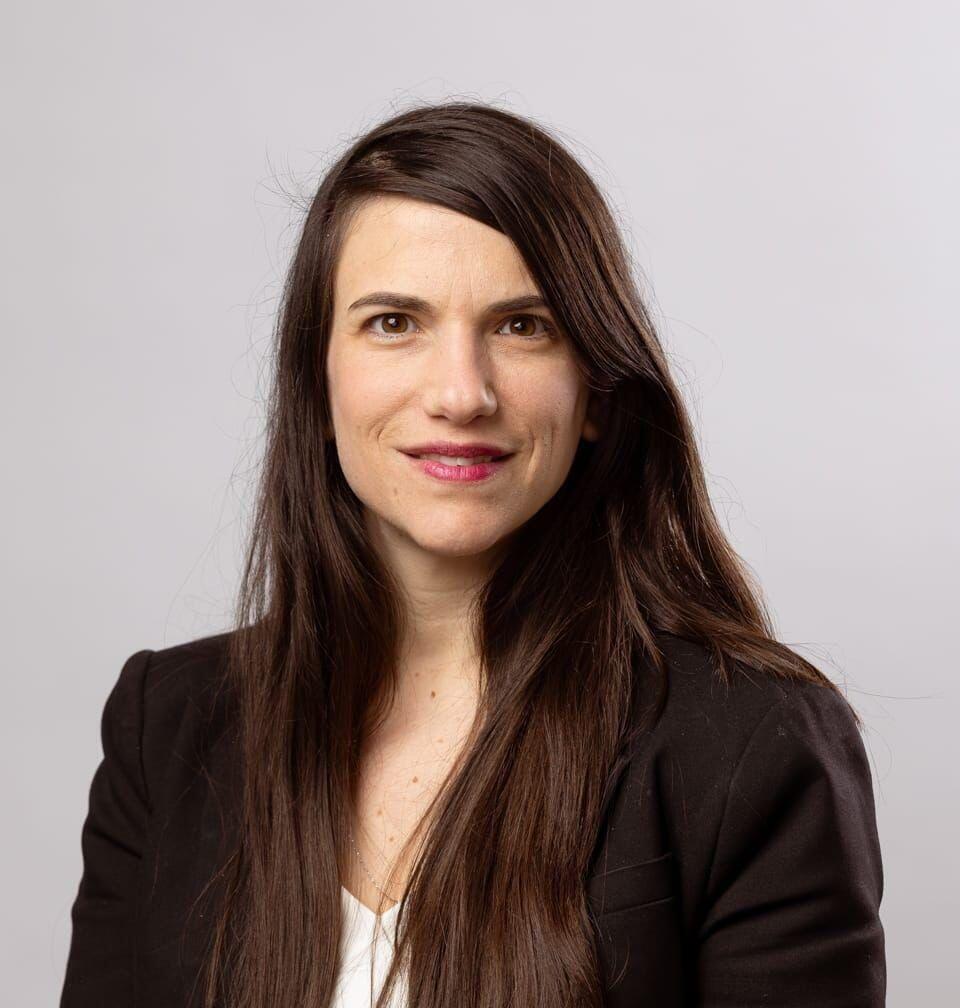
Liat Gavrieli Schwartz
(Photo: Micha Lubaton)
The company has also introduced quarterly "recharge days", when the entire company takes a long weekend with no emails or calls, and "focus days", which are kept free of meetings to allow uninterrupted work.
“Most importantly, we train our managers to have sensitive, human conversations and recognize when someone is struggling, sometimes before they have to ask for help,” Gavrieli Schwartz said. “For us, supporting our people emotionally is part of what being a good employer actually means.”
Nitzan Ron, CEO of MostWanted, an executive search firm, said the shift reflects a broader change in how employees and senior talent evaluate workplaces.
“The days when employee well-being was measured by office parties and stocked ice cream fridges are long gone,” Ron said. “Against the backdrop of Israel’s complex reality and ongoing tension, organizations and leadership teams that fail to prioritize their employees’ mental and emotional well-being through 2026–2027 simply will not survive.”
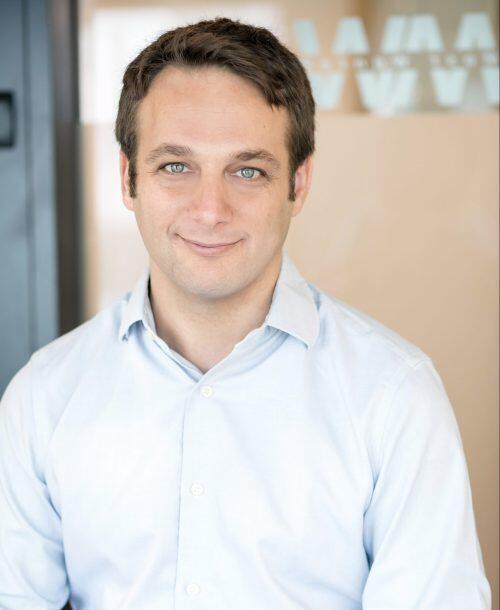
Nitzan Ron
(Photo: Adi Lamm)
According to Ron, employee well-being is no longer only an HR issue, but a direct responsibility of CEOs and senior leadership. “When it comes to top talent and senior executives, this expectation is only amplified,” he said. “They are looking for a workplace that values them first and foremost as human beings, one that understands the emotional complexities of our time and offers a genuine support system.”
Companies that fail to build that kind of support structure, he warned, risk losing key employees in an increasingly competitive market. “Companies that fail to establish this holistic envelope and lead with empathy will simply lose their top talent to the competition,” Ron said.