

AccuLine said it has completed a clinical trial at seven medical centers validating an artificial intelligence–based system designed to detect coronary artery disease, one of the world’s leading causes of death.
The trial evaluated AccuLine’s CORA system, which analyzes physiological signals during a four-minute, noninvasive assessment. The results were compared with coronary angiography, the clinical gold standard for diagnosing coronary artery disease.
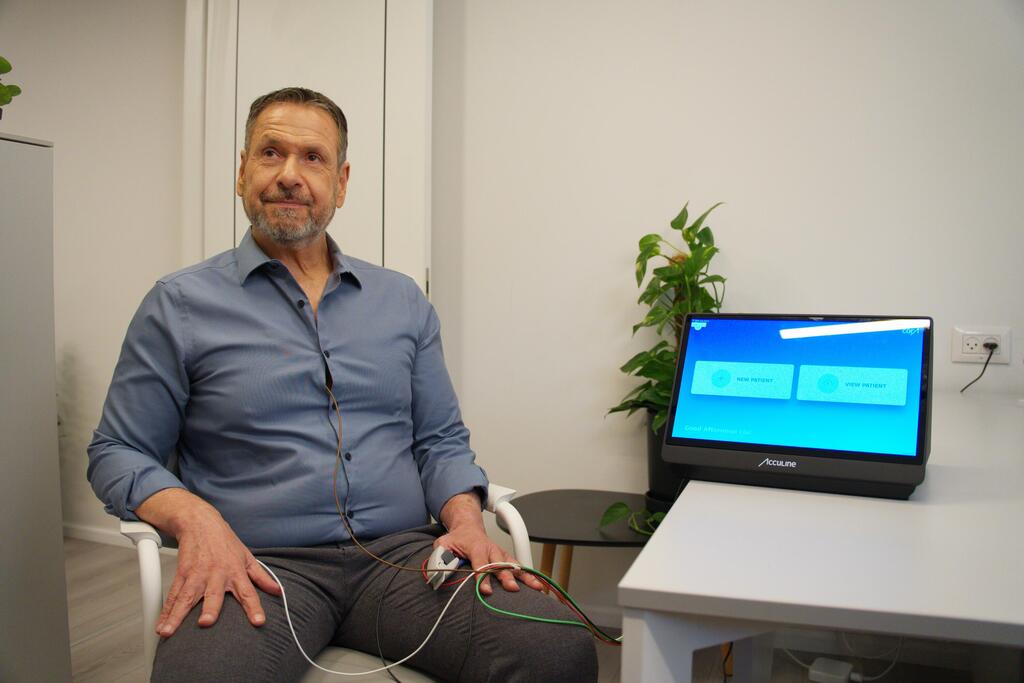
In a study of 305 patients, the CORA system achieved a sensitivity of 94% and a negative predictive value of 99%, indicating a high level of accuracy in ruling out significant coronary blockages. The company said the findings suggest the system could help clinicians reduce unnecessary diagnostic testing while identifying patients who require further evaluation.
Coronary artery disease is a major contributor to cardiovascular disease, which the World Health Organization says accounts for about 32% of all deaths worldwide. An estimated 20 million people died from cardiovascular causes in 2022, with heart attacks responsible for the majority of those deaths.
Despite the scale of the problem, early diagnosis remains challenging. Common frontline tests, such as exercise stress tests, often lack accuracy, while more definitive procedures, including coronary CT angiography and invasive angiography, require contrast agents, expose patients to radiation and are costly. These procedures are typically performed in hospital settings, contributing to long wait times and under-diagnosis.
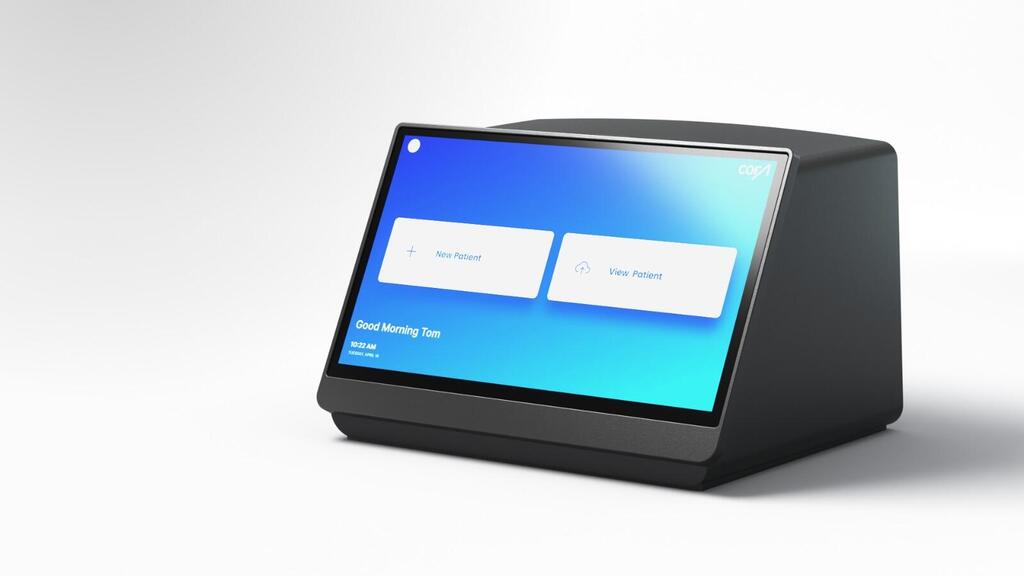
CORA Device
AccuLine said its goal is to provide primary care physicians with an objective diagnostic tool that can be used earlier in the clinical pathway. The CORA system combines analysis of cardiac electrical signals, blood oxygen saturation and respiratory rates with patient clinical data. The assessment does not require physical exertion, radiation exposure or contrast agents.
The company said the system is intended to help clinicians assess risk in community settings and make more informed decisions about referrals for advanced testing.
AccuLine has raised $5.5 million in funding, with investors including eHealth Ventures, Maccabi Healthcare Services and Mayo Clinic. The company has also received grants from the Israel Innovation Authority and Google. AccuLine and Mayo Clinic have entered into a know-how agreement to support further development of the CORA technology.
“This large-scale, multicenter study is designed to rigorously evaluate CORA against gold-standard diagnostic modalities for CAD in a real-world clinical setting,” said Timothy D. Henry, MD, Medical Director of the Center for Research and Education at the Christ Hospital Health Network, who will serve as the study’s Principal Investigator. "CORA has the potential to significantly improve front-line decision-making by enabling earlier, non-invasive, and more accessible identification of patients with significant CAD, while reducing reliance on unnecessary invasive procedures.”

Dr. Tim Henry
The company is preparing to launch a large-scale clinical trial at 20 medical centers in the United States involving about 2,000 patients. The study follows a successful pre-submission process with the U.S. Food and Drug Administration completed in December 2025 and is part of a regulatory plan aimed at securing FDA 510(k) clearance.
The upcoming trial will compare CORA with established diagnostic methods in real-world clinical settings, with the aim of evaluating its effectiveness as a frontline tool for detecting significant coronary artery disease.
AccuLine was founded in 2022 and is focused on developing noninvasive, AI-powered tools for coronary risk assessment at the point of care.