

For people who have lived with excess weight for years, it can be tempting to assume the damage to their health has already been done. Even if they manage to shed a few pounds, will it really make a difference?
A new British study offers an encouraging answer. Losing even a modest amount of weight in your 50s, particularly if you manage to keep it off, may be associated with better heart health later in life.
Gallery
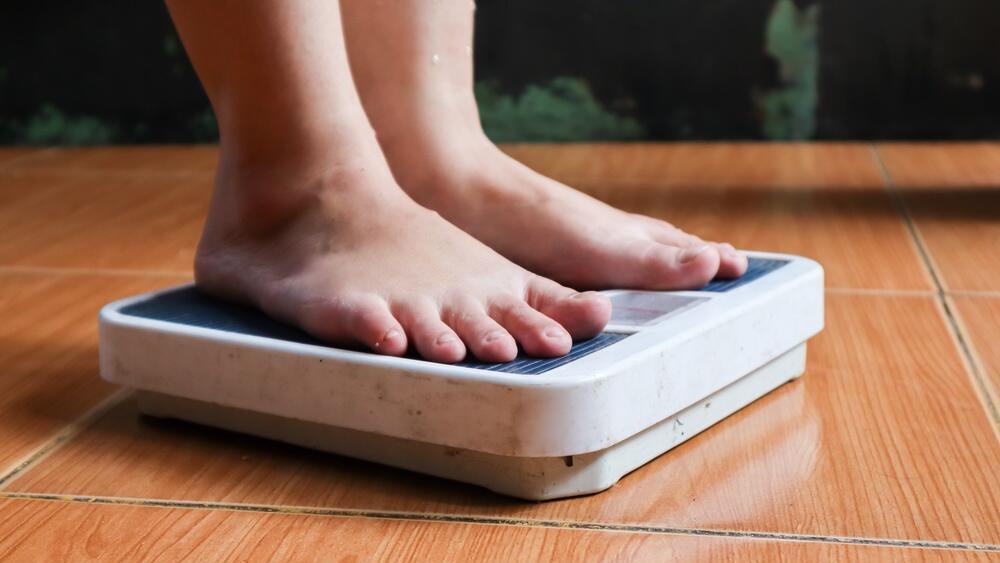
Even modest weight loss in middle age may benefit health later in life
(Photo: Shutterstock/ Eza_Nanda)
Researchers found that people who had previously been overweight, lost at least 5% of their body weight and maintained that loss reached age 62 with heart-health markers similar to those of people who had maintained a healthy weight throughout adulthood. In other words, years of excess weight do not necessarily mean the opportunity for improvement has passed.
The study, conducted by researchers at University College London (UCL) and published October 21, analyzed data from 6,309 British participants born during the same week in 1958. Their health had been followed for decades as part of the National Child Development Study.
The researchers wanted to answer a straightforward question: Can losing weight in middle age still benefit heart health later in life, or does spending years overweight leave lasting effects that cannot be overcome?
Even a modest weight loss made a difference
To investigate, the team examined changes in participants' body mass index (BMI) from their 20s onward. They identified each person's highest BMI by age 42, then examined who had lost at least 5% of their body weight by age 50 and maintained that reduction at age 55.
The researchers also tracked participants who continued gaining weight and those whose weight remained relatively stable.
But body weight was only part of the picture. The researchers compared health measurements taken when participants were 44 and 62, including blood pressure, cholesterol, triglycerides and markers of inflammation. These indicators provide important information about cardiovascular and metabolic health.

It's not too late to adopt healthier habits in your 50s
(Photo: Shutterstock / Jacek Chabraszewski)
The results showed that relatively few participants managed both to lose weight and sustain that reduction over several years. Approximately 24% maintained a healthy weight throughout most of adulthood, while just 6% lost at least 5% of their body weight and kept it off during the period studied.
Of those who maintained their weight loss, 4% had previously been overweight and another 2% had been living with obesity.
The findings were particularly encouraging among participants in the first group. Those who had been overweight but successfully maintained their weight loss had health markers at age 62 comparable to those of people who had consistently maintained a healthy weight.
The picture was somewhat different for participants who had previously had obesity. Weight loss was also associated with improved health markers in this group compared with people who continued living with obesity, but their overall results remained less favorable than those of participants who had maintained a healthy weight.
Even so, the researchers identified an encouraging trend. Between ages 44 and 62, the deterioration in health markers among people who had lost weight after living with obesity was no faster than the deterioration observed among those who maintained a healthy weight.
What happened to those who kept gaining weight?
For participants who continued gaining weight, the findings were less encouraging.
More than a third gained weight by their mid-50s and moved into the overweight or obesity categories. This group experienced the fastest deterioration in cardiovascular and metabolic health indicators by age 62.
Participants whose weight repeatedly increased and decreased but remained within the obesity range also had poorer health outcomes.
The findings suggest that preventing further weight gain in middle age may be important, even for people who are not able to achieve substantial weight loss.
‘It's never too late to start’
Dr. Charis Bridger Staatz, the study's lead researcher at UCL's Centre for Longitudinal Studies, said the findings challenge the assumption that declining health is an unavoidable part of growing older.
"Ageing is often framed in terms of inevitable health decline," she said, explaining that the findings suggest relatively modest changes in middle age may have meaningful benefits years later.

Researchers examined participants' blood pressure, cholesterol levels and other cardiovascular health markers
(Photo: Shutterstock / fizkes)
According to Bridger Staatz, losing a relatively small amount of weight in one's 50s may improve quality of life and reduce the risk of cardiovascular problems.
She also emphasized the importance of encouraging healthier habits in middle age rather than directing prevention efforts exclusively toward children and younger adults.
Although people sometimes regard their 50s as a stage when significant health improvements are no longer possible, she said, "it’s never too late to start making changes to improve your health".
Dr. Laura Gimeno, a co-author of the study, highlighted the potential long-term significance of the findings. The benefits associated with weight loss, she explained, may extend well beyond the first few months after someone loses weight.
She said the results support efforts to make effective weight-management services more accessible, including medication where appropriate.
At the same time, Gimeno stressed the importance of preventing additional weight gain in middle age, because continued weight gain was consistently associated with the fastest decline in cardiovascular and metabolic health.
The researchers noted that although newer weight-loss medications have expanded treatment options, maintaining a healthy weight should also involve balanced nutrition and regular physical activity.
What the study cannot tell us
Despite the encouraging findings, it is important to understand what the research establishes and what remains uncertain.
This was an observational study. The researchers followed participants and examined associations between changes in their weight and later health outcomes. They did not conduct a controlled experiment in which participants were assigned to lose weight.
As a result, although sustained, modest weight loss was associated with better cardiovascular and metabolic health markers, the study cannot establish that weight loss itself caused the improvements.
The researchers accounted for numerous factors that might influence the results, including participants' earlier health and socioeconomic circumstances. However, other factors could still have contributed to the differences observed.
Another important limitation is that the study did not determine whether participants who lost weight experienced fewer heart attacks or strokes. Instead, it focused on health indicators associated with the risk of cardiovascular disease.
That distinction matters: Having cholesterol, blood pressure and inflammation markers comparable to those of people who maintained a healthy weight does not necessarily mean having the same risk of future cardiovascular events.
Nevertheless, the study offers an encouraging message for people who have spent years living with excess weight. Improving health does not necessarily require dramatic weight loss, and maintaining a modest reduction over time may be associated with meaningful benefits years later.
The central lesson is not simply to lose weight, but to find sustainable ways to improve health and prevent further weight gain, even after decades of struggling with it.