

We spend about a third of our lives sleeping. Yet even while we sleep, the body is hard at work in repairing cells, renewing tissues, balancing hormones, processing emotions, strengthening the immune system and more. Unfortunately, many people struggle to fall asleep.
The good news: a few simple changes can make a big difference. Try these steps at home.
1. Make your bed
Your bed is more than just a place to sleep;ס it's the foundation for the calm environment your body needs to wind down.

Research shows that people who make their bed in the morning tend to sleep better at night. The simple act of straightening up provides a sense of order and closure, sending a signal to the brain that the day can end calmly.
A tidy space, especially in the bedroom, reduces sensory overload, eases tension and helps prepare the body for rest. That small morning habit might just lead to better sleep at night.
2. Cool, but not freezing cold
Our bodies prefer to sleep in cool temperatures. Ideally, your bedroom should be dark and at about 21 degrees Celsius (around 70 degrees Fahrenheit). That's because melatonin, the hormone that regulates sleep, is released more efficiently in cooler environments.
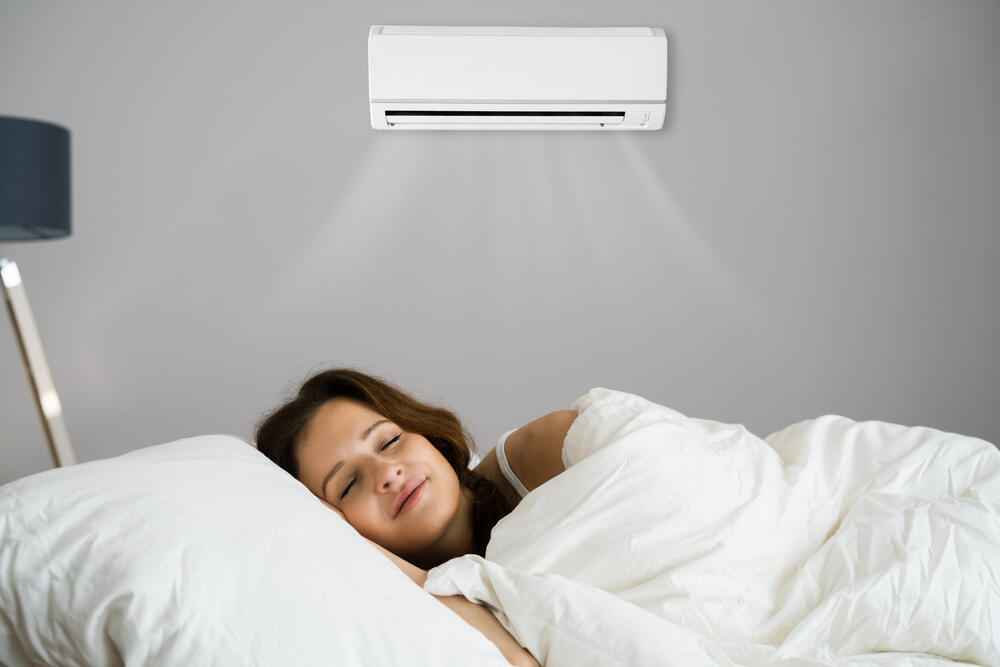
Opt for a cool place, not cold
(Photo: Shutterstock)
A warm shower before bed can help relax the muscles, but since it raises body temperature, it's best when taken at least an hour before sleep.
3. Real darkness matters
Too much artificial light can disrupt your body’s internal clock. Blue and white light, including that from TVs or phone screens, suppresses melatonin production.

Avoid outside light
(Photo: Shutterstock)
Use soft yellow lighting in your bedroom and avoid using screens just before bed. Also, don’t overlook light from outside, such as a bright streetlamp. Even if it doesn’t seem disruptive, the brain can register light through closed eyelids, confusing the body’s sleep signals.
If there is a permanent outside light, close the blinds or use blackout curtains to create a darker, more sleep-friendly space.
4. A weighted blanket
A blanket that weighs about 10% of your body weight can mimic the sensation of being secure and swaddled, much like an infant. This gentle pressure stimulates the release of serotonin, a neurotransmitter that promotes calm and emotional balance and serves as a natural precursor to melatonin.

Choose a weighted blanket
(Photo: Shutterstock)
In addition, weighted blankets can help relax muscles, reduce anxiety and even prevent sudden awakenings during the night.
While often associated with winter, breathable and lighter-weight versions are available for use in hot weather. The key factor isn’t thickness, but weight.
5. Gentle stretching before bed
If you find yourself tossing and turning, unable to get comfortable, try a short session of light stretches targeting your back, legs, shoulders and neck.

Ease muscle tightness and reduce physical strain
(Photo: Shutterstock)
This can help release tension built up during the day, especially after hours spent in front of a screen. A 5-to-10-minute routine requires no special equipment and can be done on a mat, carpet or even in bed.
The goal is to ease muscle tightness, reduce physical strain and signal to the body that it's time to wind down.
6. Write down instead of overthinking
Instead of lying in bed, listing in mind all the things you need to do tomorrow, pause and grab a pen and paper.

Use writing to free the mind
(Photo: Shutterstock)
Writing down your thoughts, especially those lingering to-do items, helps free the mind. Otherwise, the brain may stay alert, convinced the day isn’t over.
Writing, even just a few notes, shifts the burden from memory to the page, helping the mind release control and prepare for rest.
7. A tasty solution: cherries
Cherries, especially sour cherries, are among the few natural food sources of melatonin. Unlike supplements, cherry-based melatonin comes as part of a whole food, making its effects gentler and more balanced.

Cherries natural source of melatonin
(Photo: Shutterstock)
Drinking unsweetened sour cherry juice about an hour before bedtime has been shown to improve sleep quality and reduce the time it takes to fall asleep.
Cherries also contain antioxidants that reduce inflammation, which can relax muscles and lift mood, two important factors in achieving quality sleep.
8. Even toothpaste plays a role
Brushing your teeth before bed is routine; however, the flavor of your toothpaste might also affect your sleep.

Choose a milder-tasting toothpaste
(Photo: Shutterstock)
Mint, commonly used in toothpaste, is a strong and sharp scent meant to promote alertness and freshness. But those same qualities can overstimulate the nervous system, especially in people with sensory sensitivities.
Choosing a milder-tasting toothpaste may make it easier to relax. Sometimes, small details make a big difference.
In conclusion, good sleep is essential for both physical and mental health. If you struggle to fall asleep or stay asleep, consider trying a few of the tips listed here. A small change in lighting, temperature or habit might lead to a major improvement.
The author is a researcher in healthy living and holds a Ph.D. in gerontology.