

Israel is witnessing a gradual uptick in COVID-19 cases, according to the Health Ministry’s “Data World” report released Thursday, which recorded a 30% increase in confirmed cases last week compared to the previous week, totaling 141 new infections. As of early this week, 430 active cases were reported, though experts believe the actual number is significantly higher since many infected individuals skip testing.
Tal Shemesh, a 26-year-old from Tel Aviv, became part of this statistic after contracting the virus for the sixth time. “The moment I felt extreme weakness, I knew I was sick. No fever, but the fatigue crushed me,” she told Ynet, confirming a positive test result.


Shemesh's COVID test
(Photo: Courtesy)
The Israel Center for Disease Control noted a rise in hospitalizations by late July, with 65 COVID-19 patients across 11 monitored hospitals, accounting for 6.7% of total admissions—a clear increase from the prior four weeks. Health maintenance organizations (HMOs) also reported spikes.
Maccabi Healthcare Services saw daily diagnoses rise from 30 in June to 50 in July, a 70% jump, and soar to 77 in the first four days of August, a 150% increase from June. Maccabi emphasized that these figures reflect only cases reported to family doctors, as many patients use home tests without notifying authorities.
Clalit, Leumit, and Meuhedet HMOs similarly observed a rising number of cases, reflected in increased prescriptions for COVID-19 treatments. Clalit noted a surge in prescriptions last week, while Leumit reported 20 patients needing medication compared to five two weeks earlier. Meuhedet saw a 94% increase in cases from June to July among those tested, with an average patient age of 64.
Tal Shemesh described her ordeal: “I was bedridden for three days. I canceled all plans; it was crushing.” Choosing to self-isolate despite no mandatory restrictions, she added, “I’m stuck at home, which is frustrating, but I don’t want to harm others.” She suspects she contracted the virus during a hospital visit, regretting not wearing a mask.
(Photo: Shutterstock)
“I saw people with masks and thought, ‘Are they still scared of COVID?’ Now the joke’s on me,” she said, urging others not to dismiss the illness. “It crushes you; you can’t move.”
Liat Shulman, 51, from Modi’in, also tested positive two weeks ago, marking her third infection. “This time was much worse—bone pain, elbow agony, like childbirth,” she told Ynet. Initially testing negative, a second test confirmed the diagnosis, and her husband, Mark, also fell ill.
After a week, Shulman recovered without lingering effects, unlike past infections. However, the couple had to postpone a planned vacation flight, with the airline refusing to reschedule, claiming they were “welcome to board.” “Airlines need to acknowledge COVID’s persistence. We were too sick to fly, but others might board and infect an entire plane,” Shulman said.
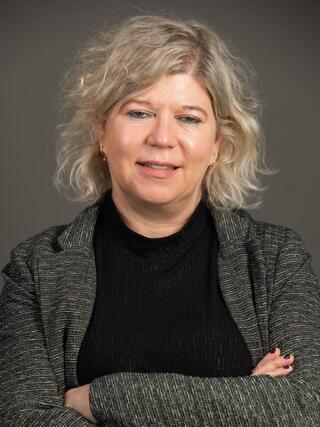 Prof. Yasmin MaorPhoto: Shlomi Mizrachi
Prof. Yasmin Maor, head of the Infectious Diseases Unit at Wolfson Medical Center, confirmed the rising trend, attributing it to evolving virus variants. “The virus keeps changing. Immunity from prior infections or vaccines fades and new variants reduce its effectiveness,” she explained. While less severe than early in the pandemic, COVID remains a significant threat, surpassing flu and RSV in impact.

(Photo: Shutterstock)
“It’s the most problematic respiratory virus. We have vaccines and early treatments, but they’re underused,” Maor said, noting Israel’s low vaccination rates and limited access to timely treatments. “It’s frustrating that we’ve gone from leading COVID management to lagging behind,” she added.
Prof. Dror Mevorach from Hadassah Medical Center downplayed the surge, saying, “It’s not a wave, but there’s a slight increase.” Citing U.S. data showing 0.8 hospitalizations per 100,000 people in July, lower than last year, he noted the virus is not dangerous for 99% of the population.
However, he stressed personal responsibility to avoid spreading it and highlighted Israel’s lack of effective monitoring, relying on indirect indicators like hospitalizations, often tied to underlying conditions.
Maor emphasized the need for better public awareness and access to vaccines and treatments to protect vulnerable groups like the elderly and immunocompromised, warning that without action, severe outcomes will persist.
Get the Ynetnews app on your smartphone: Google Play: https://bit.ly/4eJ37pE | Apple App Store: https://bit.ly/3ZL7iNv