

Five years after Israel’s national health basket approved genetic screening for BRCA1 and BRCA2 mutations among women of Ashkenazi descent, the test will now be offered to women of Ethiopian descent beginning Monday.
In recent years, carrier clinics across the country have reported a sharp increase in the number of Ashkenazi women diagnosed as BRCA carriers. The diagnosis enables many women to undergo close monitoring, preventive treatment and, in many cases, life-saving interventions.
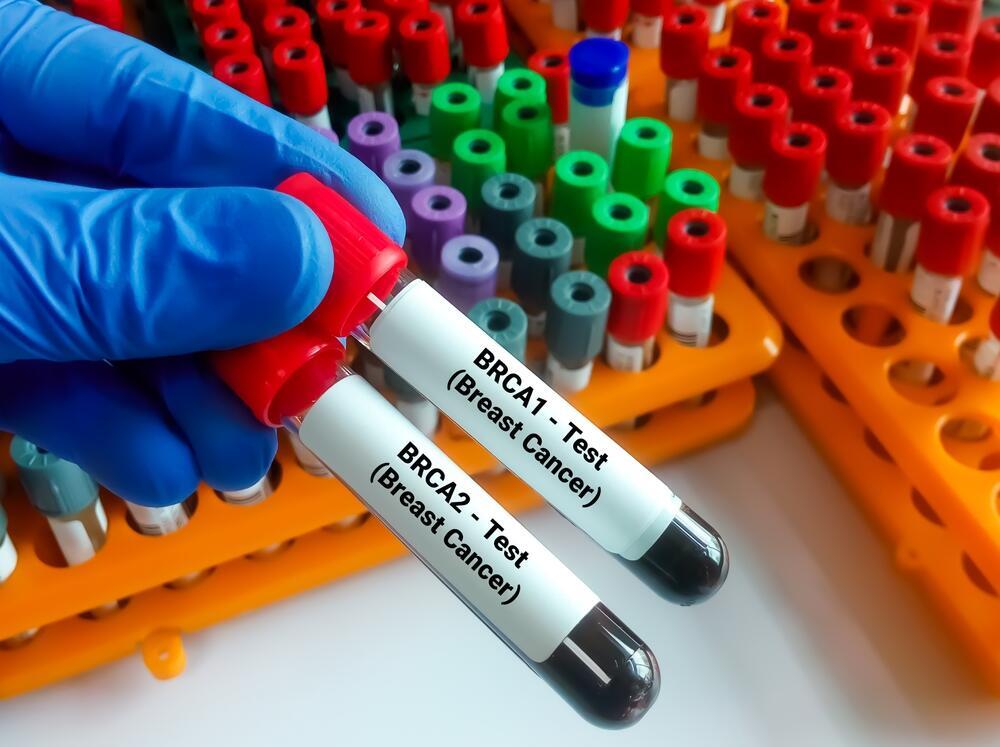
What is the BRCA gene and what does a mutation mean?
The BRCA gene helps repair DNA damage, maintains proper cell division and prevents tumor development. In the 1990s, scientists discovered that mutations in BRCA1 or BRCA2 impair this repair function, dramatically increasing the risk of developing cancer — particularly breast and ovarian cancer in women. Mutations are also linked to pancreatic, stomach and skin cancers, and in men to prostate cancer.
The mutation is hereditary: each child of a carrier has a 50% chance of inheriting it. Not every carrier will develop cancer, but the risk is significantly elevated. For BRCA2 carriers, the lifetime risk is about 50% or higher for breast cancer and 25% to 30% for ovarian cancer.
Why was the test expanded to women of Ethiopian descent?
A study conducted in Israel by researchers from Shaare Zedek, Beilinson and Kaplan medical centers, led by Dr. Sari Lieberman, Professor Ephrat Levy-Lahad, Professor Yael Goldberg and Rakefet Chen-Shtoyerman, found a relatively high prevalence of BRCA2 mutations among Jewish women of Ethiopian descent: 1.8% compared with 1.4% in the Ashkenazi population. Based on these findings, it was decided this year to include Ethiopian women in the national health basket. Starting September 1, they will be eligible for the screening test at no cost.
Why is screening important?
If a woman learns she is a carrier before developing cancer, she can be offered close medical monitoring and preventive measures that significantly lower risk. Even if cancer later develops, early detection greatly improves prognosis. In addition, women with BRCA mutations who develop breast or ovarian cancer may benefit from highly effective targeted therapies, such as PARP inhibitors.

(Photo: Motti Kimchi)
Who is eligible for testing?
Any woman of Ethiopian Jewish descent — whether fully or partially — can request the test through her HMO. No physician referral or prior genetic counseling is required. The test is available from age 18, though it is recommended from age 25, as medical monitoring does not begin before then.
Who should not undergo the screening test?
Women with a known family mutation are referred directly to targeted genetic counseling rather than the screening test, which only checks for common mutations and might miss the specific familial variant. Women already diagnosed with cancer are also not screened through this program but are referred for comprehensive genetic evaluation.
How is the test done?
It is a simple blood test, no different from a standard lab draw. Most results will be normal. If a mutation is detected, the woman is referred for genetic counseling and then to a dedicated carriers’ clinic.
What happens after a positive result?
The patient receives genetic counseling and a personalized monitoring plan. This typically includes advanced imaging, specialist consultations and blood tests, aimed at detecting cancer as early as possible — or even preventing it.
What does monitoring include for BRCA2 carriers?
Follow-up is conducted twice a year and includes: an annual breast MRI; mammogram or ultrasound depending on age and condition; and an exam by a breast surgeon or radiologist. For ovarian cancer, ultrasound and CA125 blood tests are available, but these have proven ineffective for early detection. Therefore, the unequivocal recommendation is preventive removal of the ovaries and fallopian tubes after childbearing, usually between ages 40 and 45.
What does preventive ovarian surgery involve?
The procedure is usually done laparoscopically with quick recovery, but it triggers early menopause. To reduce side effects and protect bone and heart health, hormone therapy is generally prescribed until at least age 50. Studies in Israel and worldwide show this therapy does not significantly raise breast cancer risk.
And what about preventive mastectomy?
Risk-reducing mastectomy is offered but not mandatory. Many women prefer to continue with close imaging surveillance, as early detection of breast cancer still allows for effective treatment and good outcomes. The decision is left to each woman.
 ; Dr. Rachel Michaelson-Cohen of Shaare ZedekPhoto: Private album
“The hesitation to undergo testing is understandable, but there is no reason to fear,” according to Michaelson-Cohen, medical director of the Noga BRCA carriers’ clinic and head of the Prenatal Genetics Unit at Shaare Zedek Medical Center and the Hebrew University in Jerusalem. “In most cases, the result will be normal, but even if a mutation is found, we have excellent tools to dramatically reduce risk through monitoring, early detection and preventive surgery. The advantage of knowing you are a carrier before developing cancer is enormous. Research shows that if you are diagnosed as a carrier before the disease appears, your prognosis is significantly better.”