

More than one million Israelis aged 20 and over who visited a specialist in 2025 waited more than a month for an appointment, while about a quarter of the public, some 1.5 million people, believe care in general hospitals is not good, according to new data from the Central Bureau of Statistics.
The figures, published Sunday as part of the CBS Social Survey for 2025, offer a detailed look at public attitudes toward Israel’s health services, including hospital admissions, emergency room visits, specialist appointments, access gaps and the growing use of private medicine.

According to the survey, 15% of Israelis aged 20 and over, about 932,000 people, were hospitalized in a general hospital during the 12 months before the survey. The hospitalization rate was 14% among those aged 20 to 44, rising to 20% among people aged 65 and over. Another 23% of the public accompanied a close family member who was hospitalized during that period.
Among those who were hospitalized or whose close relative was hospitalized, 81% said they were satisfied with the medical care provided during the admission, and 85% were satisfied with the attitude of medical staff. Another 73% expressed satisfaction with the physical conditions, including the number of patients in the room, ventilation, food and cleanliness.
Still, waiting remained a major source of frustration. Some 29% said they were bothered by the waiting time for hospitalization, including the time required to receive a referral and financial approval.
Three in five ER visitors complained about the wait
The survey found that 22% of Israelis aged 20 and over, about 1.4 million people, visited an emergency room during the year. Among those treated, 75% were satisfied with the attitude of medical staff, and 67% were satisfied with the physical conditions.
Those figures mark an improvement from the 2015 Social Survey, when 69% of ER visitors were satisfied with the staff’s attitude and only 59% were satisfied with the physical conditions.
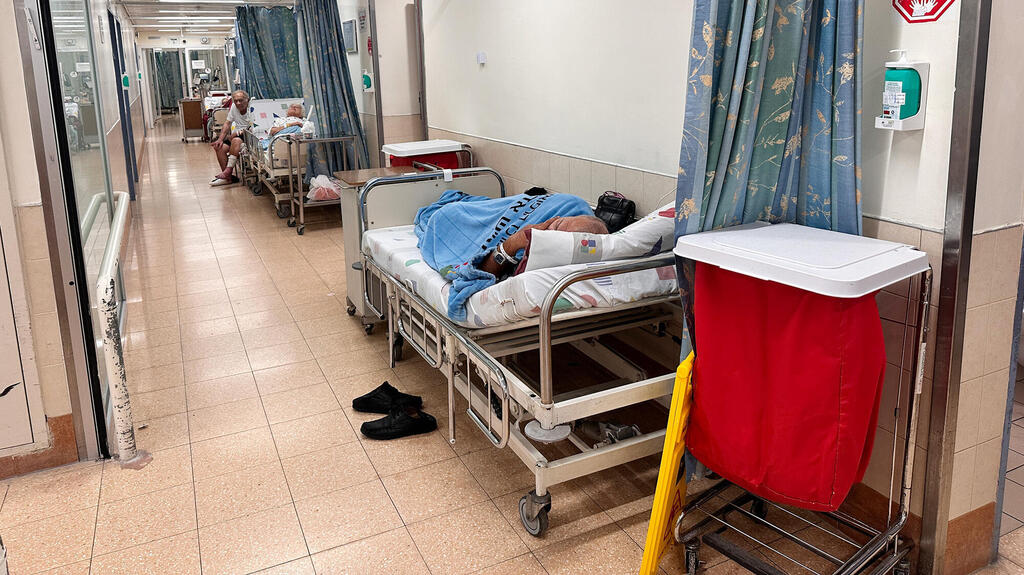
Some 1.5 million people, believe care in general hospitals is not good
(Photo: Tal Shahar)
Even so, 20% of ER visitors, about 540,000 people, rated the care they received negatively. The most prominent problem was waiting time: 61%, nearly three in five ER visitors, said they were bothered by how long they had to wait.
The survey also examined the availability of urgent medical services, including Terem clinics, health fund urgent care centers and emergency rooms. Some 76% of the population said such services were available in their area. By contrast, 7.1%, more than 400,000 people, said no such services were available where they live, while another 5.2% did not know whether they had access to such services nearby.
The geographic gaps were especially pronounced. Some 29% of residents in the West Bank and 28% of residents in the northern district said urgent medical services were not available in their area.
More than 300,000 waited over three months for a specialist
More than three million Israelis visited a specialist in 2025. Orthopedics was the most common specialty, accounting for 23% of specialist visits. Another 15% visited an ophthalmologist, 13% visited a dermatologist and 21% of women visited a gynecologist.
For many patients, the wait was long. Some 37% of those who sought specialist care waited up to two weeks from the time they booked the appointment until the visit, and 23% waited between two weeks and one month.
But 24% of patients, about 800,000 people, waited between one and three months. Another 9.9%, more than 300,000 people, waited more than three months for their appointment.
Long waits were recorded in several specialties. Some 67% of those who sought care from a gastroenterologist waited more than two weeks, as did 62% of those who saw an internist, 60% of those who visited a neurologist and 60% of those who saw a urologist.
The most notable waiting problem was in dermatology, where 44% of patients waited more than a month for an appointment.
More than 800,000 struggle to find information about their rights
The survey also pointed to access problems within the health system. About 348,000 Israelis aged 20 and over said they struggle to receive medical services because of language barriers. Another 14% of the public, more than 800,000 people, said they find it difficult to locate information about their rights in the health system.
About a quarter of the public, some 1.5 million people, said they believe the care provided in general hospitals is not good. Still, that figure is an improvement from 2015, when 31% of the public rated hospital care negatively.
At the same time, 24% of the public said they believe the health system does not provide its services equally.
The main reason for private care: getting an earlier appointment
The survey found that 19% of Israelis aged 20 and over, about 1.2 million people, used private health services over the past year.
The rate was 22% among Jews, compared with 8.2% among Arabs. A gender gap also emerged: 22% of women used private medical services, compared with 16% of men.
There were also major differences among Israel’s largest cities. Some 27% of Tel Aviv-Jaffa residents used private medical services, as did 24% of Haifa residents, compared with 12% of Jerusalem residents.
The leading reason for using private medicine was the desire to get an earlier appointment, cited by 38% of private health care users. Another 31% said they turned to private care because it allowed them to choose their doctor, 24% did so to receive a service not provided through the health funds, and 6.3% cited service quality and courteous treatment.
The findings come after the CBS last week published additional Social Survey data on public trust in state institutions and organizations. Among all the institutions and bodies examined, the health system received the highest level of public trust, at 87%.
Men and women reported similar levels of trust in the health system, at 88% and 85%, respectively. Trust stood at 86% among Jews and 90% among Arabs. Among Jews, 85% of Haredim, 86% of religious respondents, 84% of traditional respondents and 88% of secular respondents said they trust the health system. The rate among people with an academic degree was similar to the rest of the population, at 88% and 86%, respectively.
Health Ministry Director-General Moshe Bar Siman-Tov said public trust is the health system’s most important asset.
“It is not built through statements or slogans, but in every encounter between a patient and a doctor, nurse, paramedic, lab worker, medical secretary or any employee of the health system,” he said. “In every moment when a person knows there is someone there for them.”
“I want to thank the women and men of the health system, who in routine and emergency continue to serve Israel’s citizens with dedication, professionalism and humanity,” he added. “These figures are first and foremost recognition of your work. Alongside the pride, this trust obligates us to keep improving, listen to the public and continue strengthening the public health system for every citizen of Israel.”