

Turning 65 is often treated as a bureaucratic milestone or a symbolic retirement age. In modern medicine, however, it is increasingly regarded as the formal entry point into what physicians describe as the “third age” — a stage of life characterized by gradual, cumulative physiological, metabolic and cognitive changes, even among people who feel healthy and function independently.
Medical experts emphasize that the transition does not signal inevitable decline. Instead, it marks a critical window for prevention and planning. Doctors increasingly encourage people approaching 65 to view the coming years as the start of a deliberate effort to preserve independence, sometimes described in clinical terms as a “decade of independence.” The approach focuses on responsibility rather than fear and relies on a combination of preventive medicine, physical activity, nutrition, medication management and sustained social engagement.

A functional, not chronological, definition
While age 65 remains a convenient reference point for policymakers and health systems, geriatric medicine places greater weight on functional ability than on the number listed on an identity card. Physicians assess how well a person walks, thinks, recovers from illness and manages daily life, as well as how quickly those abilities are changing.
Some people remain physically and cognitively robust well into their 70s and beyond, while others experience meaningful decline earlier. For that reason, clinicians look for subtle functional shifts rather than waiting for overt disease.
Early indicators can include a slower walking pace, difficulty climbing stairs, trouble rising from a chair without using the arms, reduced grip strength or a general sense of physical weakening over the past year. New or unexplained fatigue, reduced endurance, unintentional weight loss, declining appetite and repeated falls or near-falls may point to frailty or the early stages of sarcopenia — the age-related loss of muscle mass, strength and function.
Doctors stress that both frailty and sarcopenia are not only detectable but often reversible, particularly when addressed early through targeted exercise, nutrition and medical review.
Why feeling healthy is not enough
Even people who feel well are affected by age-related changes in the body’s reserve systems. With age, the kidneys and liver clear medications more slowly, the immune system responds less predictably, muscle mass declines more rapidly in the absence of training and balance becomes less stable.
As a result, relatively minor stressors — mild dehydration, a sleeping pill, a viral infection, a short period of bed rest or emotional stress — can trigger disproportionate consequences, including confusion, weakness, falls or hospitalization. These outcomes do not necessarily indicate illness but reflect a reduced physiological margin for error.
Some changes develop quietly. Progressive muscle loss can undermine balance, increase fall risk and worsen metabolic control, including blood sugar regulation. A diminished sense of thirst increases the risk of dehydration, dizziness, constipation and low blood pressure. Sensitivity to medications may rise, increasing the likelihood of drowsiness, confusion or sudden drops in blood pressure.
Sleep patterns also tend to change with age. Sleep may become lighter and more fragmented, and when combined with sleep medications, the risk of nighttime falls increases. Gradual declines in hearing and vision can affect communication, social engagement, mood and, over time, cognitive health.
Strength, balance and physical resilience
Geriatric specialists emphasize a key principle: muscle is an organ that can be strengthened at any age. Regular strength training and balance exercises are among the most effective tools for maintaining independence.
Research shows that such activity reduces falls, improves endurance and supports cardiovascular and metabolic health. Strength training two to three times a week — using weights, resistance bands, machines or body-weight exercises — is widely recommended. Balance exercises may include standing on one leg near a stable surface, tai chi or adapted Pilates. Regular aerobic activity such as brisk walking, swimming or cycling further supports stamina and heart health.

(Photo: Shutterstock)
Doctors advise beginning gradually and safely, particularly for people with heart or lung disease, dizziness, chronic pain or a history of falls, and adjusting activity levels based on medical guidance.
Nutrition as preventive medicine
Nutrition plays a central role in maintaining muscle, bone and brain health. Physicians note that common mistakes among older adults include eating too little protein, skipping meals, drinking insufficient fluids and relying on supplements instead of whole foods.
Experts recommend aiming to include a protein source at every meal — such as eggs, dairy products, fish, poultry or legumes — alongside vegetables, healthy fats like olive oil and nuts and high-quality carbohydrates such as fruits and legumes. Individualized planning is important for people with kidney disease or other chronic conditions.
Adequate hydration is also critical, particularly as the sensation of thirst diminishes with age.
Medication risks and polypharmacy
The use of multiple medications, known as polypharmacy, is a major risk factor for falls, confusion, drug interactions and hospitalizations in older adults. Physicians urge particular caution with sleeping pills and sedatives, medications with anticholinergic effects, frequent use of nonsteroidal anti-inflammatory drugs and long-term use of stomach acid suppressants without a clear medical indication.
High-dose dietary supplements taken without professional guidance can also interfere with prescription medications or cause harm. Medical experts recommend keeping an updated list of all medications and supplements and reviewing it at least once a year, as well as after hospitalization, a fall or any noticeable cognitive change.
Cognitive aging and warning signs
Normal aging may include slower recall of words, needing more time to learn new information or mild forgetfulness that improves with reminders. These changes are considered part of typical aging.
More concerning signs include repeatedly asking the same questions, difficulty managing finances or medications, getting lost in familiar places, noticeable personality changes or memory complaints accompanied by functional decline. Physicians emphasize that some causes of cognitive impairment are reversible, including thyroid disorders, vitamin B12 deficiency, depression, sleep disorders, medication effects and untreated hearing loss.
Falls, isolation and mental health
Falls remain one of the most serious risks to independence, even among physically active older adults. They often result from a combination of balance problems, vision impairment, muscle weakness, medication effects, blood pressure changes, neuropathy and unsafe home environments.
Preventive measures include ensuring good lighting, especially at night; removing loose rugs and securing cables; installing grab bars in bathrooms; wearing stable, closed shoes; and maintaining safe stair railings.

(Photo: Shutterstock)
Loneliness and depression are also significant but often underrecognized risks. In older adults, depression may present as fatigue, reduced appetite, irritability, sleep problems or withdrawal rather than overt sadness. Persistent changes lasting several weeks should prompt medical evaluation.
Planning while healthy
Health professionals increasingly encourage people to discuss future medical preferences while they are still healthy. Planning ahead — including appointing a medical decision-maker and clarifying wishes regarding life-sustaining treatments — allows for thoughtful decision-making and reduces stress during medical crises.
Clinicians emphasize that the most common mistake when entering the third age is waiting for a major problem to emerge.
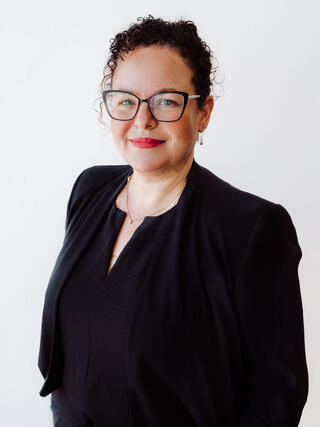 Dr. Orly Barak
Preventive care, they say, is far more effective when started while function is still stable, rather than after a fall, hospitalization or cognitive decline.
Doctors recommend that people approaching 65 schedule a comprehensive health review, assess vision and hearing, update vaccinations, review medications and supplements, address fall risks at home and maintain regular social engagement — steps shown to preserve independence and quality of life well into later years.
This article was written by Dr. Orly Barak, a specialist in internal medicine, geriatrics and medical administration. She serves as director of the rehabilitation hospital and the geriatric division at Ichilov Medical Center.