

Winter, the biological clock and weight
The body operates according to biological rhythms, known as circadian rhythms, which regulate essential processes such as hormone production, metabolism, digestive enzyme secretion and the balance between hunger and fullness.
In winter, when daylight hours shorten and exposure to natural light declines, these rhythms shift. The result is a natural slowdown in metabolism and greater sensitivity to changes in blood sugar and hunger levels, especially in the evening.

When dinner is pushed to late hours or consists of cold, quick foods, the body is forced to perform complex metabolic work at a time when it should be slowing down and preparing for sleep. This can lead to overeating, nighttime cravings, poorer sleep quality and disrupted weight loss.
Why warm food matters?
Warm food supports weight loss through several key physiological mechanisms. First, it requires less energy for the body to warm the stomach contents to body temperature, allowing for more efficient and comfortable digestion. In addition, the heat of the food slightly increases thermogenesis, the body’s heat production, indirectly supporting metabolism at a time of year when it tends to slow.
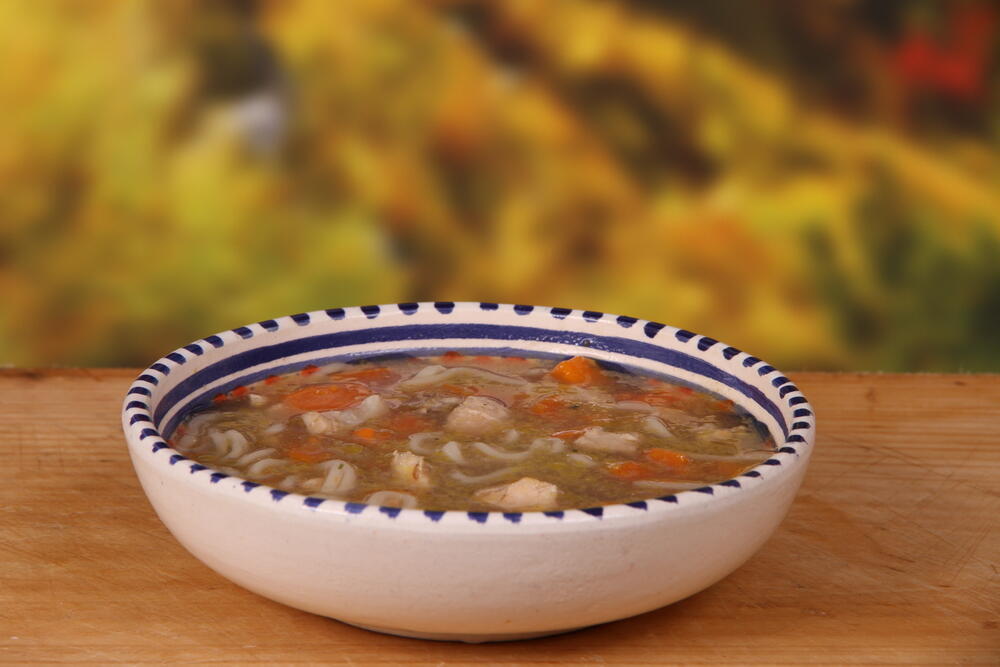
There are many reasons to prefer warm food in winter, like soup
(Photo: Shutterstock)
Warm meals are also usually eaten more slowly. Eating at a slower pace allows satiety hormones to reach the brain in time, before too much food is consumed. The result is earlier fullness and better portion control, both critical for weight loss.
Fewer snacks in the evening
Winter brings another challenge: reduced sunlight lowers serotonin levels, increasing the desire for comfort foods and snacking, particularly in the evening. A warm, satisfying dinner based on protein, complex carbohydrates and healthy fats helps maintain more stable serotonin levels, thus reducing the urge for ongoing snacking on simple carbohydrates and sweets at night.
Blood sugar balance and better sleep
A balanced warm dinner, especially one that includes protein, fiber and vegetables, contributes to a steadier and more moderate rise in blood sugar levels. This stability reduces nighttime cravings, supports hormonal balance and lowers the risk of eating again before bed.

A balanced dinner reduces nighttime cravings
(Photo: Anatoly MIchaello)
Warm meals also have a positive effect on sleep. After eating, core body temperature rises slightly and then gradually falls, a physiological process that helps the body transition into deeper, higher-quality sleep. Good sleep is directly linked to appetite regulation, insulin sensitivity and the ability to lose weight.
Timing matters too
Research in the field of chrono-nutrition shows that not only what we eat matters, but also when. In winter, it is recommended to finish dinner relatively early, by 7 p.m. or at least two to three hours before bedtime. This timing allows for efficient digestion, reduces metabolic strain at night and supports the body’s natural biological rhythms.

Finish dinner early
(Photo: Shutterstock)
Maintaining a consistent dinner schedule creates an important daily anchor during a season when light and external rhythms are less stable, contributing to emotional balance and a greater sense of control.
What does this look like in practice?
A warm dinner does not have to be heavy or complicated. A hearty legume soup, shakshuka, a salad topped with warm protein such as salmon, chicken or seitan, or a balanced hot sandwich with roasted vegetables can all serve as filling, warming meals that support weight loss. The combination of warmth, protein, fiber, healthy fats and proper timing creates a cumulative effect: less hunger, fewer snacks, better sleep and a metabolism that adapts to the season.

A good way to end a meal: green tea
(Photo: Shutterstock)
Even a simple addition, such as a cup of a warm drink at the end of the meal, herbal tea or clear homemade broth, can enhance the effect. It prolongs the feeling of fullness, supports calm digestion and signals to the body that eating has ended, easing the transition toward rest and sleep.
Winter does not have to be a season of weight gain or constant struggle with hunger. On the contrary, by listening to the body’s physiological needs and providing warm, nourishing and well-timed evening meals, weight loss can become simpler, more natural and more sustainable. A warm dinner is not a winter indulgence. It is a smart nutritional tool that works with the body, not against it.
- The author is a clinical dietitian, B.Sc., R.D., A.M., with Heli Maman, a network specializing in healthy lifestyle