

WhatsApp co-founder Jan Koum is donating $200 million, about 580 million shekels, to Shaare Zedek Medical Center, in a gift expected to triple the size of the Jerusalem hospital, which currently has about 1,000 beds. It is the largest donation in the history of Israel’s health care system.
The money will go toward building a new inpatient tower that will also include housing for staff. The donation comes from the Koum Family Foundation, which in recent years has become one of the leading sources of pro-Israel philanthropy worldwide. According to a health care system source, the zoning plan for the tower is advancing quickly through Jerusalem’s planning institutions.
Gallery

The gift to Shaare Zedek Medical Center is expected to triple the size of the Jerusalem hospital
(Photo: Alex Kolomoisky)
The donation slightly surpasses one made last year by Anat and Shmuel Harlap to Clalit’s Beilinson Hospital, which totaled $180 million. The Harlaps, who had previously donated to Beilinson and Hasharon hospitals, gave the funds for the construction of the “Tower of Hope,” scheduled to open in early 2027. Its occupancy is expected to allow the hospital to double the activity of departments currently housed in the Gur Shasha hospitalization tower.
Another major donation to the health care system, totaling $100 million, was received last year from businessman Sylvan Adams for the construction of the Tkuma Building at Soroka Medical Center in Beersheba. The state allocated a similar amount. That gift followed a $100 million donation Adams made to Ben-Gurion University of the Negev immediately after the October 7 attack, as part of his commitment to strengthening the south and establishing it as a growth engine for Israel.
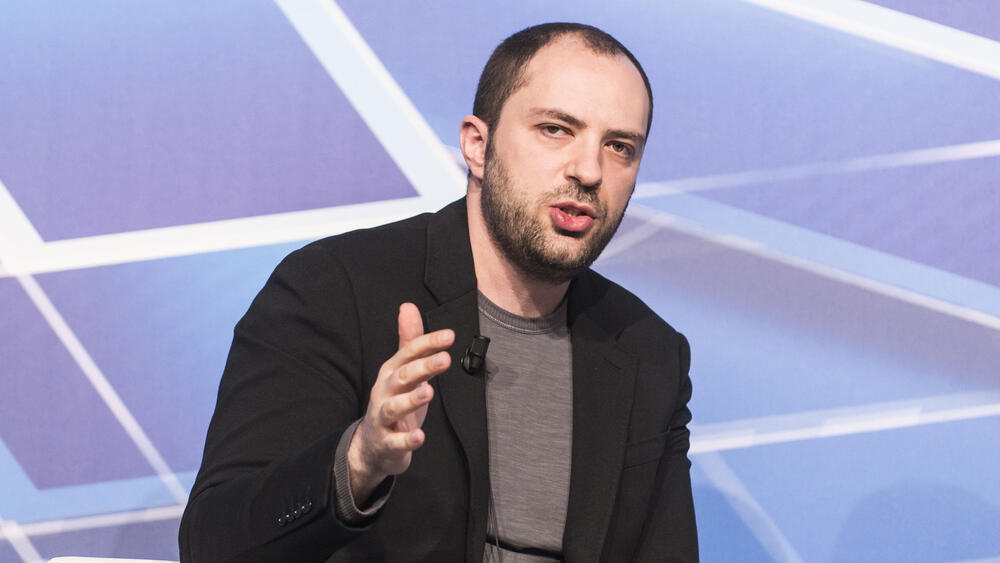
WhatsApp co-founder Jan Koum
(Photo: Shutterstock)
The donations point to a growing pattern: private capital, most of it American Jewish, is entering hospital infrastructure and funding expansions the state is not carrying out on a comparable scale. Shaare Zedek, an independent hospital that does not belong to one of the health funds, depends significantly on philanthropic funding to grow — and a donation of this magnitude highlights a widening gap between institutions able to raise private capital and those dependent on the state budget.
Shaare Zedek declined to comment.