

A new survey shows that most Israeli medical students studying abroad are considering not returning to Israel after graduation, raising concerns about an already strained healthcare system.
The survey, conducted in July 2025 among 233 Israeli medical students in Europe and the United States, found that 87% believe Israel offers insufficient incentives to return. Nearly three-quarters (74%) said they are weighing staying abroad, not only for financial reasons but also due to better working conditions and career advancement opportunities.
About 64% of respondents said they expect to secure better, more rewarding positions overseas, while more than half (52%) described the state’s treatment of them as “disgraceful.”
Students also pointed to structural barriers as key deterrents. Some 57% said abolishing Israel’s licensing exams for overseas-trained doctors would make them more likely to return, and 79% stressed that opportunities for clinical rotations in Israeli hospitals during their studies were critical in influencing their decision.
“These numbers are a wake-up call—not just another statistic to be filed away,” said Dr. Moshe Cohen, CEO of Medical Doctor and one of the leaders behind a new medical faculty in Eilat.
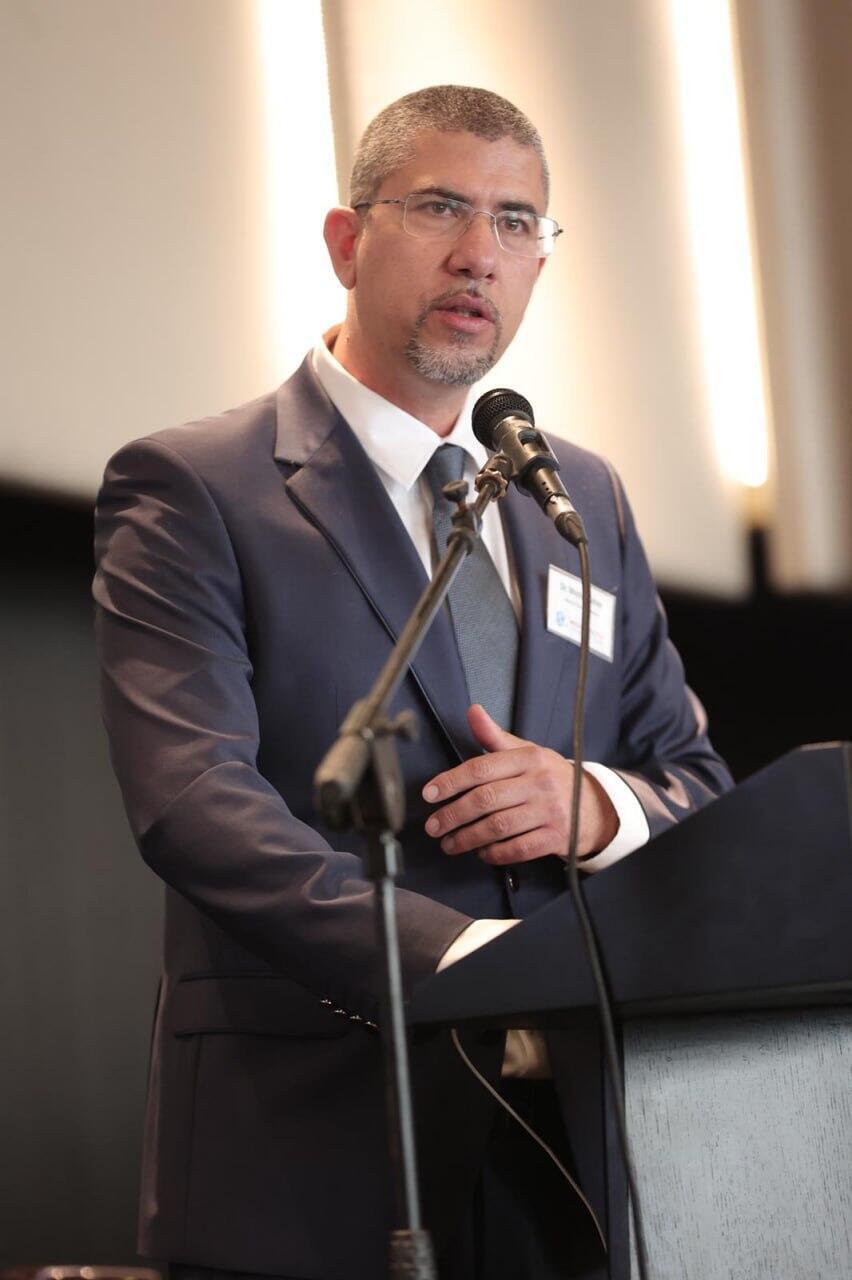
Dr. Moshe Cohen
“We’re talking about hundreds of future doctors who, under the current approach, will be lost to our healthcare system,” he said. “If the state doesn’t invest in incentives, remove unnecessary barriers, and allow students to gain clinical experience during their studies, we will lose an entire generation of physicians. Establishing the Eilat faculty is a step in the right direction, but without broader systemic change, the shortage of doctors will only get worse.”
Israel is already facing a significant shortfall of physicians compared to other developed nations, and health experts have long warned that unless conditions improve, the brain drain of young medical talent will deepen.