


A new international study led by researchers from the University of Haifa has found that concentrating physical activity into one or two days a week can provide significant protection against metabolic-associated fatty liver disease and reduce the risk of death and heart disease — benefits comparable to exercising regularly throughout the week.
The study, published in the journal Liver International, is based on objective, long-term measurements of physical activity in a large population and challenges the notion that exercise must be spread evenly across the week to improve health.
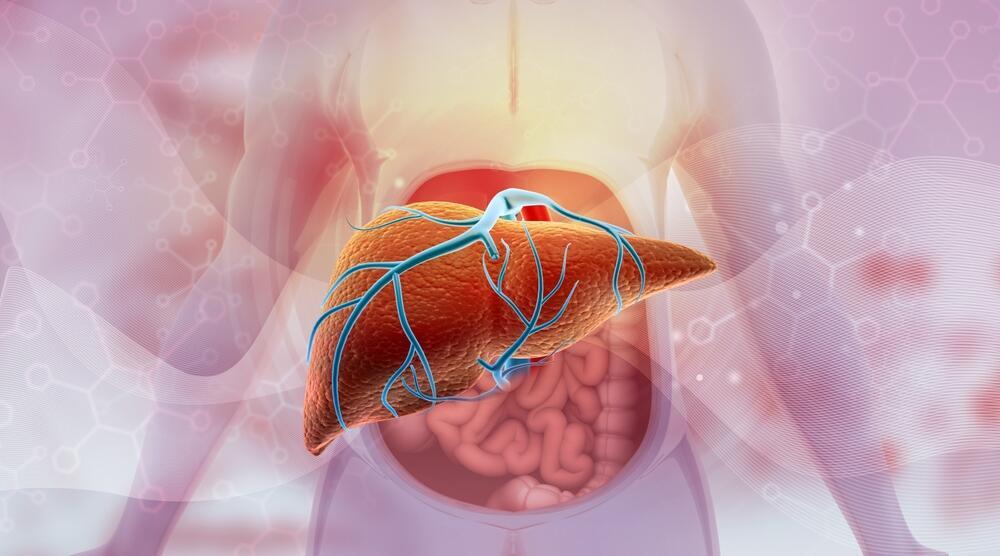
(Photo: Shutterstock)
“Our findings show there is no need to exercise every day in order to gain meaningful health benefits,” said Prof. Shira Zelber-Sagi of the University of Haifa, who led the research. “The key is to avoid a sedentary lifestyle. Even concentrated activity, as long as it meets the recommended duration and intensity, can reduce disease risk and contribute to longevity.”
The researchers found that at least 150 minutes per week of moderate to vigorous physical activity is essential — even if most of it is performed on just one or two days. Zelber-Sagi said the results offer greater flexibility for people who struggle to maintain a regular exercise routine due to work, family obligations or time constraints.
The study focused on metabolic-associated steatotic liver disease, or MASLD, the most common liver disease worldwide and a leading cause of chronic liver illness. About 30% of the general population, including in Israel, is estimated to have the condition. MASLD is marked by fat accumulation in liver cells and can progress to inflammation, fibrosis, cirrhosis and liver cancer.
The disease is closely linked to obesity and unhealthy lifestyles, including diets high in sugar and ultra-processed foods, along with a lack of physical activity.
Researchers analyzed data from 2,490 participants in a national health survey in the United States. Participants wore accelerometers — motion-tracking devices — for seven consecutive days, allowing precise measurement of both the duration and intensity of physical activity.
Based on the data, participants were divided into three groups: those who were inactive; those who completed more than 150 minutes of moderate to vigorous activity spread throughout the week; and those who reached the same threshold but concentrated at least half of their activity into one or two days.
Among participants diagnosed with MASLD, engaging in more than 150 minutes of moderate to vigorous activity per week was linked to a sharp reduction in overall mortality and a significantly lower risk of cardiovascular disease — even when the activity was concentrated into one or two days. The health benefits were similar to those seen in participants who exercised regularly throughout the week.
The prevalence of MASLD was highest among inactive participants, at 38%. By comparison, 26% of those who exercised throughout the week were diagnosed with the disease, versus just 20% among those who concentrated most of their activity into one or two days.
Zelber-Sagi said the findings support flexibility in how people approach exercise. “Concentrated physical activity, as long as it is sufficient in volume, can reduce disease risk, improve survival and lower cardiovascular risk compared with inactivity,” she said, adding that exercise plans should still be tailored to individual medical conditions and physical abilities.
The study did not specifically focus on people with advanced liver disease, such as significant fibrosis or early cirrhosis, and the number of such participants was small. As a result, the researchers cautioned against drawing firm conclusions for those populations. Still, Zelber-Sagi stressed that even patients with more advanced liver disease benefit from appropriately adapted physical activity.
Because activity levels were measured using accelerometers, the findings largely reflect aerobic activity at moderate to vigorous intensity. While the devices capture overall movement, they cannot reliably distinguish between aerobic exercise and strength training.
Zelber-Sagi said current recommendations remain unchanged: at least 150 minutes of moderate aerobic activity per week, combined with one or two strength-training sessions to help preserve muscle mass — an especially important factor for people with liver disease.
She emphasized that concentrated activity does not have to be extreme. “It can include brisk walking, light jogging, swimming or Pilates,” she said. “The most important message is to avoid a sedentary lifestyle and choose an activity people can enjoy and sustain over time.”
While genetics can play a role in the development of fatty liver disease, Zelber-Sagi said lifestyle choices have a major impact — particularly among those with a genetic predisposition.
“This is not a predetermined fate,” she said. “In fact, people with a genetic tendency toward fatty liver may benefit even more from lifestyle changes. Regular physical activity and a balanced diet can make a meaningful difference.”