

Vitex agnus‑castus, commonly known as the chaste tree, is a Mediterranean perennial shrub with green leaves and delicate purple flowers that develop into small fruits resembling black peppercorns. For generations, the plant’s fruits have played a prominent role in traditional medicine, especially in women’s health and menstrual cycle support. Unlike many other herbs, traditional use has focused on the fruit, believed to contain the plant’s most active compounds. Today, Vitex fruit extracts and capsules are widely used as dietary supplements and are gaining renewed interest for their potential role in hormonal balance and women’s health.

The female body operates in a complex and finely tuned cycle that doesn’t always align with rigid schedules, blood tests or definitive diagnoses. Early or late periods, changes in bleeding intensity, menstrual cramps, emotional and physical strain before menstruation, and even external signs like acne are increasingly seen as interconnected rather than isolated events. This holistic perspective has driven interest in therapeutic approaches that support systemic regulation, not just isolated symptoms.
The menstrual cycle: regularity, symptoms and in between
Vitex is often studied in the context of menstrual cycle regularity — such as irregular cycles, unusually short or long cycles, or general instability even when no clear medical condition is diagnosed. Clinical studies on long‑term use of Vitex extracts suggest that, in some cases, particularly where imbalance is present, there can be a gradual improvement in cycle regularity. These changes are not immediate but appear after consistent use across several cycles.

Women experience a variety of physical and emotional symptoms around menstruation
(Photo: Shutterstock)
Many women experience a range of physical and emotional symptoms around menstruation, including fatigue, heaviness, breast tenderness, bloating, mood swings and difficulty concentrating. Some women experience premenstrual syndrome (PMS), where symptoms emerge a day or two before menstruation and subside once it begins. In this context, some studies have found that Vitex extract may offer moderate relief of certain cycle‑related symptoms, both physical and emotional. However, improvements tend to be gradual and vary among individuals, not instant or complete symptom relief.
Acne: When your skin reflects what's inside
Acne is not just an adolescent issue; many women see flare‑ups around their period, during emotional stress, or amid hormonal shifts. Vitex’s appeal here lies in the idea that acne may reflect internal hormonal balance, and that supporting that balance — rather than treating the skin alone — could indirectly influence skin condition. This reflects a systemic rather than cosmetic approach.
Vitex also attracts interest for women dealing with irregular cycles or inconsistent ovulation. It is important to note that Vitex is not a fertility treatment and does not replace medical care. However, some studies examining its effects on functional hormonal imbalance have observed beneficial changes in menstrual and ovulatory markers in some women, attributed to support of natural processes rather than direct manipulation.
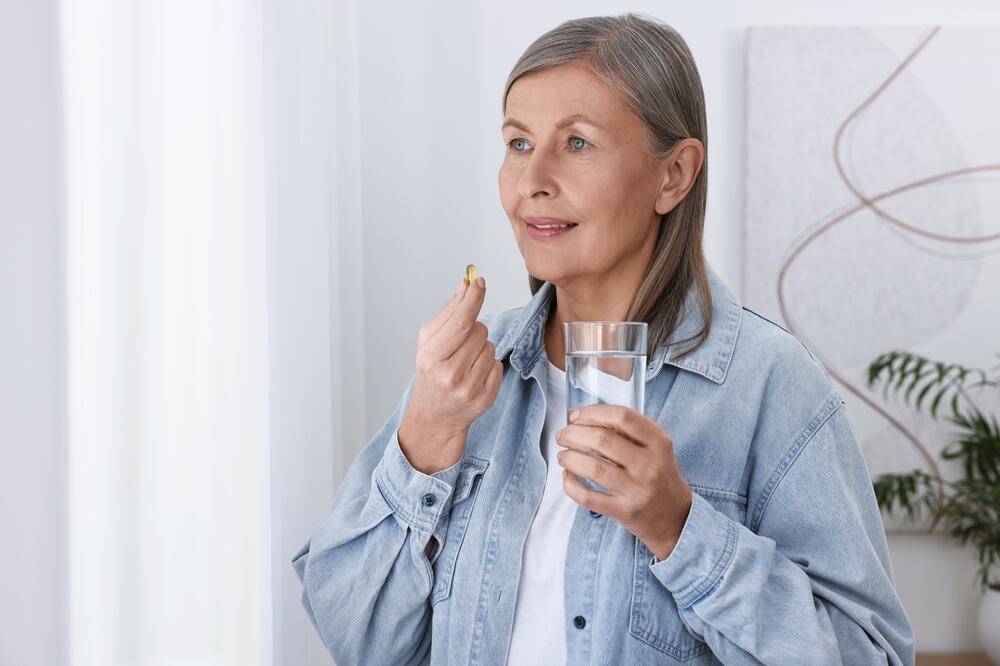
Shows moderate improvement in menopause
(Photo: Shutterstock)
Vitex is also discussed in the context of perimenopause, particularly for general well‑being rather than specific isolated symptoms. Some research has shown modest improvements in sleep quality, mood changes and overall sense of balance. Vitex is not a substitute for hormone therapy, but may be considered by women seeking a gentler supportive approach to this life stage.
What to know before use
In most studies, Vitex is used as a daily supplement over several months. Its effects are systemic and gradual, and it is recommended that benefits be assessed after two to three menstrual cycles rather than expecting immediate results. Personal suitability is crucial. Vitex is not recommended during pregnancy, and it is advisable to consult a health care professional before beginning use, especially if you are on hormonal treatments, have underlying health conditions, or take regular medications.
The growing interest in Vitex reflects a broader trend toward viewing the female body as a dynamic system rather than a collection of separate symptoms. More research is now exploring how menstrual cycles and hormonal balance influence the entire body — from the rhythm of menstruation and ovulation to PMS symptoms and external signs like acne.
Sometimes, simply listening to the body’s natural rhythms is the first step toward balance.
The author is a clinical naturopath and herbalist specializing in botanical medicine.