


Many nights during the war with Iran are interrupted by sirens, alertness and tension. But for many children and adults, especially those with attention deficit hyperactivity disorder (ADHD), sleep is not simple even under normal circumstances. Difficulty falling asleep, frequent awakenings during the night or waking very early in the morning are more common among people with ADHD.
Dr. Dorit Shmueli, a specialist in neurology and child development and director of child development services at Clalit Health Services, notes that the link between ADHD and sleep problems is well established in medical literature.
“Sleep disturbances are one of the most common accompanying symptoms of ADHD,” she says. One of the main reasons, she explains, is difficulty with regulation. “In ADHD there are many regulation difficulties, including regulating the process of falling asleep and staying asleep. There is often a tendency toward ‘on and off’ states, with little middle ground.”
Gallery
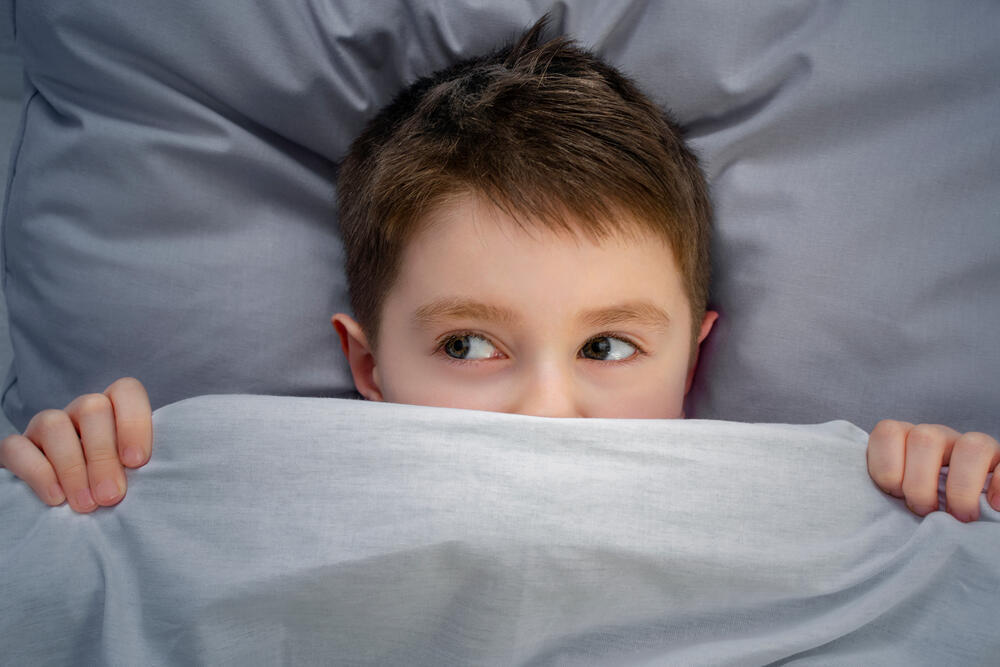
Sleep disturbances are one of the most common accompanying symptoms of ADHD
(Photo: shutterstock)
Shmueli explains that for many children with ADHD, the transition to sleep is not gradual as it is for most people. “Many children with ADHD struggle to fall asleep,” she explains. “For most people there’s a moment when you feel the fatigue building and you know you’re about to go to sleep, including children. But with ADHD it’s more of an ‘on-off’ state. They can be very alert and hyperactive, and suddenly it’s as if the battery runs out.”
This pattern, she says, reflects the broader regulation difficulties associated with the disorder, which often results in fragmented sleep. “There may be difficulty falling asleep, frequent awakenings during the night and sometimes very early waking,” she says. “Because of regulation difficulties, it’s harder to regulate the sleep-wake cycle. During the day they can experience sharp transitions between extreme fatigue and high alertness.”
 Dr. Dorit ShmueliPhoto: Courtesy
The phenomenon exists in adults as well, she adds, but is often more noticeable in children. They have difficulty both falling asleep and waking up. “It should be noted that not everyone experiences this,” she says, “but it is more common among people with ADHD than in the general population.”

Some people are more affected by nighttime sirens. Pictured: Residents taking shelter in a stairwell
(Photo: Moti Kimchi)
Start with sleep routines
Before turning to medication, Shmueli says the first step should be improving sleep habits. “Good sleep hygiene and a clear bedtime routine are important for all children, but children with ADHD often find it harder to maintain,” she says. “It’s important to create a fixed routine: dinner, a shower, reading a story and then going to bed. Something consistent, in the same order and at the same time.”
For younger children, she recommends creating a consistent bedtime ritual. “It can include saying goodnight to toys and stuffed animals. The child goes to sleep in their own bed with a transitional object like a favorite doll or blanket, which helps them enter a sleep state.”
What should you do if the children wake up at night?
"When children wake up during the night, don’t take them into the parents’ bed, even though it’s tempting,” Shmueli says. “Encourage them to return to their own bed, without physical contact and without giving them motivation to stay awake.”
The message, she says, should be clear that it’s nighttime and everyone is sleeping. Avoid positive reinforcement like hugs, kisses, food or drinks. The message should be that we go back to sleep, and in the morning we start the day again.”
She adds that the way children fall asleep at the beginning of the night is crucial. “Children who learn to fall asleep independently in their own bed will find it easier to fall back asleep after brief awakenings. Children who fall asleep next to their parents’ bed or on the couch never really learn how to fall asleep on their own.”
A newer medication option
About a month ago, Israel’s health basket committee added a medication called Slenyto, a prolonged-release form of melatonin, Shmueli says. It is currently included in the national health basket for children on the autism spectrum and in supplementary insurance plans for children with ADHD. Until recently, many parents tried to address the problem on their own. “Parents would often buy melatonin online and give it to their children,” she says.
Melatonin is a natural hormone produced in the brain that regulates the sleep-wake cycle. “It’s a substance the brain releases when the biological clock signals that it’s time to sleep,” Shmueli explains. “Normally, secretion increases in the evening before bedtime and continues throughout the night. Toward the morning it stops, and we wake up.”

In some cases, melatonin, a natural hormone that helps regulate the sleep-wake cycle, can also help
(Photo: Shutterstock)
In some children with ADHD or autism, this mechanism does not function properly. “In these cases, giving melatonin externally can help regulate sleep,” she says. The type of melatonin should match the sleep problem.
“Regular melatonin can help with falling asleep,” she says. “But many children and adults have difficulty both falling asleep and maintaining continuous sleep. In those cases, prolonged-release melatonin such as Slenyto may be more helpful.”
Other sleep medications are rarely used for ADHD patients. “It’s generally not acceptable to treat children or adults with ADHD using benzodiazepine sleep medications, except in extreme and complex cases,” Shmueli says.
Treatment, she emphasizes, should be gradual. “First improve sleep habits. Only if that doesn’t help should you consider medication, and always in consultation with a sleep specialist.”
What happens during periods of stress?
"Periods of heightened stress, including nights with sirens, make sleep more difficult for many people. For individuals with ADHD, the impact may be stronger. “ADHD includes regulation difficulties,” Shmueli says. “So the response to stressful situations like the one we’re experiencing now can be more extreme. This can affect not only sleep but also eating and behavior. It’s harder for them to regulate themselves, so they may suffer more from it,” she says.
The daily management challenge
Sleep problems are not limited to children. Dr. Amit Green, a psychologist and sleep specialist at Assuta’s sleep center, says ADHD affects daily functioning, which in turn influences sleep. “Attention deficit and hyperactivity are usually associated with learning difficulties and the way we process information,” he says. “But that doesn’t mean these individuals are less intelligent; in many cases it’s the opposite.”
The main difficulty, he says, often lies in daily organization. “One of the characteristics of ADHD is difficulty with day-to-day management, organizing tasks and structuring the day,” he explains.
How does that affect sleep?
“It can influence sleep habits as well,” Green says. “When to go to bed, when to wake up, what you do if you wake up at night and how you return to sleep.”
The challenge, he says, is not a lack of understanding. “It’s not a cognitive problem,” he says. “People with ADHD usually understand what they need to do. The difficulty is managing the sequence of actions and maintaining consistent behavior.”

When insomnia persists over time, cognitive behavioral therapy for insomnia (CBTI) can help, teaching tools for relaxation and falling asleep
(Photo: shutterstock)
"For example, when a person with ADHD wakes up at night, they may have less patience to stay in bed and try to fall back asleep,” Green says. “They might get up, pick up their phone and stay awake longer.”
Hyperactivity and hyperarousal
Another factor that can interfere with sleep is hyperactivity. “Sleep requires lowering the level of arousal and activity,” Green says. “If the system is already in a state of hyperarousal, it becomes harder to fall asleep and more likely that a person will wake up during the night and struggle to return to sleep.”
Green says many people experience similar symptoms during more stressful periods. "Insomnia is essentially a state of excessive alertness. Because of the war and the sirens, many people are more alert and therefore have trouble falling asleep or returning to sleep,” he explains. “But for people with chronic hyperarousal due to ADHD, this vulnerability already exists.”
Still, he emphasizes that the situation is manageable. “It doesn’t mean people with ADHD have to suffer,” he says. “But it does require working on managing arousal and learning how to bring it down.”
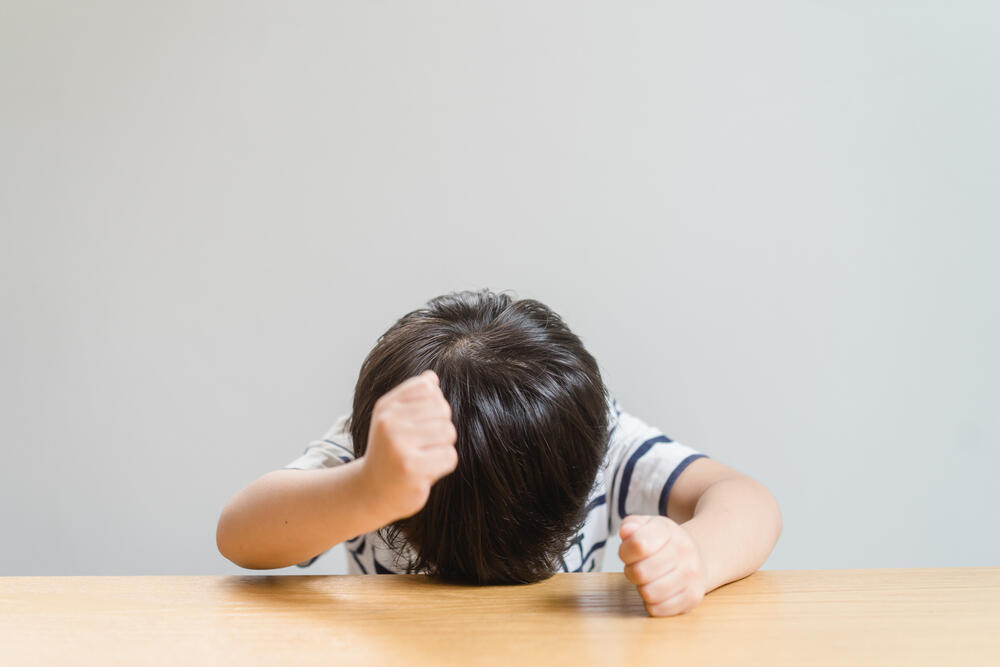
For some children with ADHD, the transition to sleep is not gradual, they shift quickly from high alertness to sudden fatigue
(Photo: shutterstock)
For example, intense activity late at night can make it harder to fall asleep. “If children are already in a state of high arousal and is running around, playing intensely or doing sports late in the evening, it will be harder for them to reduce their arousal level and transition into sleep,” Green says.
The role of ADHD medications
Another issue to consider is the medication used to treat ADHD. “Drugs such as Ritalin and its derivatives, Attent and other ADHD medications are stimulants,” Green says, therefore timing matters.
“If the medication is taken at seven or eight in the morning, that's fine,” he says. “But if it is taken in the afternoon to study or complete a task, it may improve concentration but make it harder to fall asleep.”
Green notes that insomnia is not something people simply have to accept. “There is a treatment called CBTI, cognitive behavioral therapy for insomnia,” he says. “It usually involves a short series of sessions designed to teach people how to cope with insomnia.”
The therapy provides practical tools for relaxation and calming the mind. “Patients learn techniques for relaxation and ways to reduce the racing thoughts that often keep them awake,” he says.
Insomnia, he adds, is not irreversible, noting that the treatment is currently offered mostly in private settings.