

Operation Roaring Lion, which began on Saturday morning, is experienced by many as a sustained emotional threat, uncertainty and loss of control. Beyond sirens, headlines and continuously updating reports, a profound psychological process unfolds: the nervous system shifts into a prolonged emergency state.
In such conditions, the human stress response is activated intensely. The brain interprets reality as unpredictable and dangerous, and the body reacts accordingly: hypervigilance, difficulty relaxing, intrusive thoughts and compulsive information consumption.
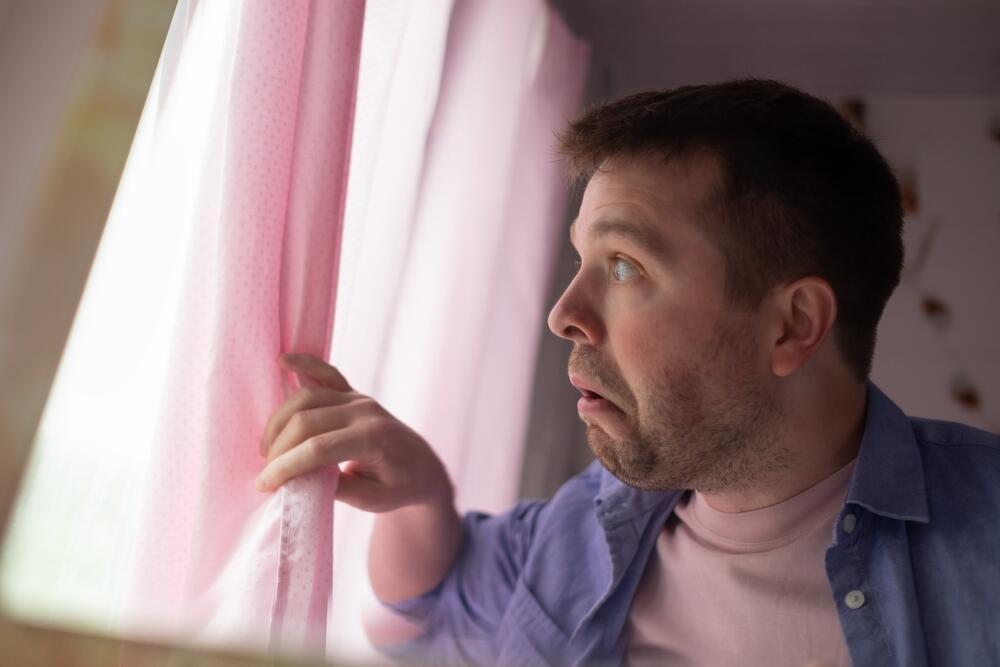
These reactions are not signs of weakness but natural biological responses to an ongoing threat. When the danger is not momentary but persists for days and weeks, psychological load accumulates and may evolve into emotional exhaustion.
One of the primary drivers of distress escalation during war is continuous news exposure. The relentless stream of updates, commentary and visual documentation keeps the brain in a state of alert even when no immediate danger is present.
Neurologically, each dramatic headline reactivates the fear circuitry, sustaining and amplifying the sense of threat. For this reason, limiting news consumption to defined time windows is a central regulation tool. Periodic updates allow people to remain informed without maintaining continuous arousal.
At the same time, preserving anchors of routine is essential. During war, everyday activity may feel disconnected from reality, yet psychologically the opposite is true. Routine is a stabilizing mechanism. Physical activity, work, childcare or engagement in hobbies signal to the brain that life continues and that danger is not absolute. Even brief moments of normalcy reduce cumulative stress load.

(Photo: Shutterstock)
Another critical dimension is human connection. Under sustained threat, people tend to withdraw, yet emotional isolation intensifies anxiety. Speaking with family members, friends or professionals enables processing of fear rather than its accumulation. The very act of sharing activates social calming mechanisms embedded in the human brain. Seeking support is therefore not a sign of fragility but a resilience strategy.
Prolonged war also generates emotional fatigue. After days of heightened alertness, some individuals experience numbness, apathy or reduced reactivity. This phenomenon is normal and reflects a protective mechanism of the psyche against overload. Fluctuations between anxiety and fatigue are not contradictory but represent two adaptive responses to threatening reality.
In the context of a broad regional confrontation, the sense of loss of control also intensifies. Unlike a discrete incident, war is perceived as open-ended in time. Uncertainty regarding the duration, scope or outcome of escalation increases psychological burden more than the threat itself.
In such conditions, focusing on personally controllable domains becomes essential: selecting information sources, maintaining routines, supporting children or family members and regulating one’s own responses. Localized control reduces helplessness.

(Photo: Shutterstock)
Children are also deeply affected by the emotional climate of war. They absorb tension from surrounding adults even without understanding the security context. Emotional regulation by parents is therefore not only a personal need but also a protective factor for children. Age-appropriate explanations, as much routine as possible, and relatively calm adult responses reduce child anxiety.
The current security reality underscores that wartime stress is collective, yet responses are individual. Some react with heightened vigilance, others with fatigue, denial or humor. All lie along a normal adaptation spectrum to threat. The key distinction is between expected distress and persistent distress that impairs functioning. When sleep disruption persists, anxiety does not subside or daily functioning deteriorates, seeking professional support is a healthy and adaptive step.
In the confrontation with Iran, as in any period of escalation, civilian resilience is not only a matter of physical protection but also psychological regulation. Limiting news exposure, maintaining routine, strengthening relationships and attending to basic emotional needs are not marginal actions but evidence-based psychological protective mechanisms.
In such periods, the threat cannot be eliminated, but its psychological impact can be mitigated. Emotional stability is not indifference to reality but the capacity to remain functional within it. Precisely amid prolonged uncertainty, cultivating personal and family resilience becomes one of the most vital resources.
Practical steps to maintain psychological stability during escalation
Limit news consumption: Set fixed times to check updates, for example morning, midday and evening only. Avoid continuous viewing or scrolling, and disable non-essential alerts. Measured information intake reduces hyperarousal and supports emotional regulation.
 Dr. Daphna Laifenfeld Photo: Sagiv Cohen
Preserve daily routine: Maintain consistent sleep, meals and activity schedules as much as possible. Even in tense periods, routine signals stability and continuity to the brain, reducing chaos and increasing perceived control.
Engage in brief, regular physical activity: Even 20–30 minutes of walking, stretching or home exercise lowers stress hormones and improves mood. The body is a primary regulator of the mind, especially under prolonged stress.
Use breathing for physiological regulation: Practice slow breathing: inhale for 4 seconds, exhale for 6 seconds, for several minutes. Prolonged exhalation signals safety to the nervous system and reduces anxiety in real time.
Maintain human connection: Speak with someone close about feelings, not only about news. Emotional sharing reduces psychological load and activates innate social soothing mechanisms. Isolation amplifies anxiety; connection mitigates it.
 Dr. Talia Cohen SolalPhoto: Sagiv Cohen
Bound children’s exposure to stress: Limit their exposure to news and preserve familiar routines. Explain the situation simply and age-appropriately, emphasizing safety. Children are influenced primarily by adult emotional tone.
Focus on controllable domains: Choose small actions within your control: organizing the home, preparing meals, caring for family and planning the day. Local control counters helplessness in the face of uncontrollable reality.
Recognize sustained psychological overload: If persistent sleep disturbance, high anxiety, functional decline or hopelessness emerge, seeking professional care is adaptive and beneficial. Early support prevents escalation.
- The authors are co-founders of NeuroKaire