


Is raising a baby vegan a risky experiment or a safe, ethical choice? As more parents adopt plant-based diets, some are extending that lifestyle to their children from birth. But can a meat-free diet meet the biological demands of the fastest-growing period of human life?
A large-scale Israeli study led by Ben-Gurion University of the Negev and the Nutrition Division of the Health Ministry offers a population-level answer. Drawing on data from nearly 1.2 million infants, the research, published in JAMA Network Open, suggests that vegan and vegetarian diets do not impair early childhood growth. However, the findings come with an important caveat: such diets must be carefully planned and professionally supervised.
A critical window for development
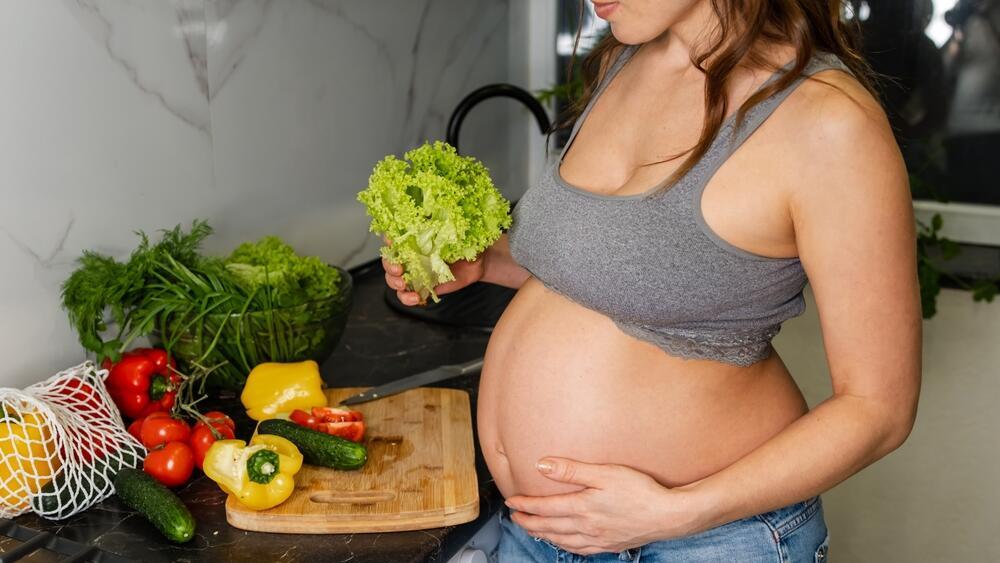
Pregnancy and the first years of life are widely recognized as a critical window for long-term health and development. In recent years, vegetarian and vegan lifestyles have grown increasingly common, including among pregnant women and young families. Some parents choose to adopt these diets for their infants from birth.
Vegetarian diets exclude meat and fish, while vegan diets avoid all animal-derived products, including dairy and eggs. These trends have prompted questions about birth weight, growth rates and the risk of underweight or stunted growth among infants raised on plant-based diets.
Until now, most research in this area relied on relatively small samples and produced mixed results. Researchers said a comprehensive, population-based study was needed to provide clearer answers.
“We know there has been a significant increase in the number of people consuming vegetarian and vegan diets,” said Karem Avital, a doctoral candidate at Ben-Gurion University and the study’s lead researcher. “We wanted to understand whether infants in these families grow similarly to others, or whether there are problems.”
One of the largest studies worldwide
The research drew on Israel’s national network of maternal and child health clinics, known as Tipat Halav, which monitor growth and development during early childhood. About 95% of Israeli infants attend these clinics, and roughly 70% of children born between 2014 and 2023 were included in the database analyzed for the study.
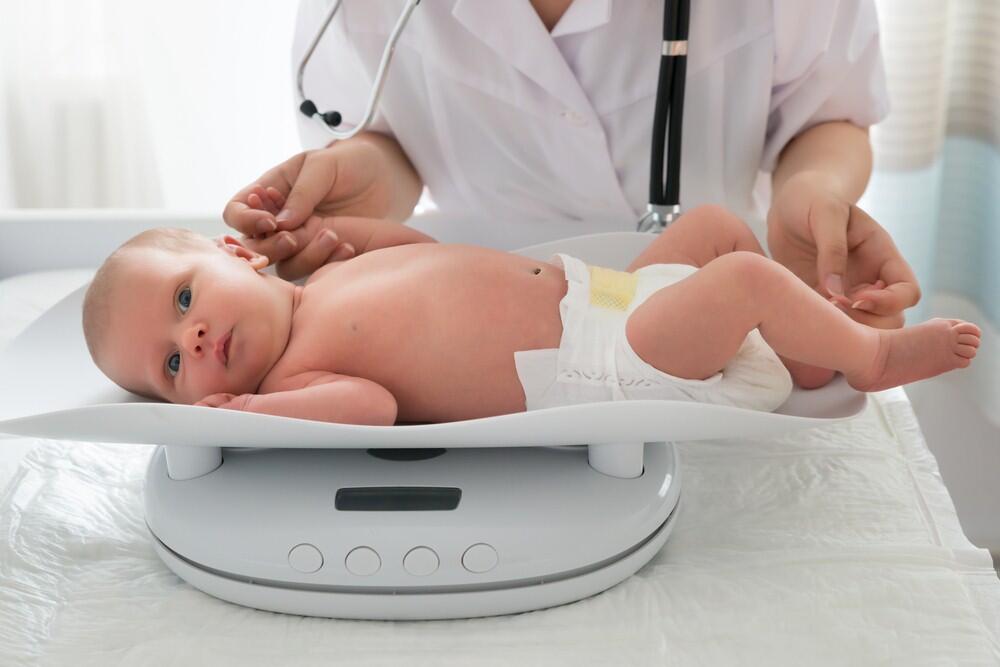
Based on data from nearly 1.2 million infants, the study in JAMA Network Open found vegan and vegetarian diets do not hinder early growth
(Photo: Shutterstock)
The dataset included 1,198,818 infants. Of those, 98.5% came from omnivorous households, 1.2% from vegetarian families and 0.3% from vegan families. Researchers examined weight, height and head circumference from birth to age 2½.
The scope of the data allowed researchers to conduct what they describe as the largest study to date on plant-based diets in infancy.
“Israel has a unique system,” Avital said. “It gave us a rare opportunity to examine this question at a national level.”
Similar growth patterns
The findings showed that growth trajectories during the first two years of life were largely similar across dietary groups. Weight gain and height progression did not differ in any clinically meaningful way between infants from vegan, vegetarian and omnivorous households.
In other words, infants raised in plant-based households grew at a comparable pace to their peers.
The researchers did identify one early difference: babies from vegan households were slightly more likely to be born with low birth weight.
According to the data, 6.1% of infants from vegan families were born with low birth weight, compared with 4.6% among infants from omnivorous families. The difference, while statistically measurable, was relatively small.

(Photo: Shutterstock)
“By age 2, that gap had completely disappeared,” Avital said. “We did not find meaningful differences in height or head circumference either.”
By 24 months, the rate of underweight infants stood at approximately 1% across all dietary groups. Rates of stunted growth were similarly low: 3.1% among omnivores, 3.4% among vegetarians and 3.9% among vegans, differences that were not statistically significant.
Possible explanation for birth weight gap
Prof. Dany Shahar of Ben-Gurion University’s Faculty of Health Sciences, a senior member of the research team, suggested that the small difference in birth weight may be related to lower average body mass index among vegetarian and vegan mothers during pregnancy, as indicated in previous research.
Because maternal BMI data were not available in the present study, researchers said the issue warrants further investigation.
Reassurance, with conditions
As plant-based diets gain global traction, the study offers reassurance in developed countries with access to nutritional guidance and fortified foods.
“These findings are very reassuring,” Avital said. “In a supportive environment, a well-planned vegan or vegetarian diet does not appear to harm basic physical development in infancy.”
However, the researchers stress that plant-based diets in infancy require careful planning.
“This does not mean parents can switch their children to a vegan diet without thought,” Avital said. “It is important to consult a clinical dietitian experienced in this area, even if only once, to ensure the diet is balanced.”
Vitamin B12 supplementation is especially critical, she added, as B12 is found primarily in animal products and is essential for neurological development.
Regular follow-ups at maternal and child health clinics remain important to monitor growth patterns and detect potential deficiencies early.
Health professionals who attended presentations on the study said it challenged longstanding assumptions.
“Some physicians told us we shattered a few myths,” Avital said. “It’s important that health and nutrition professionals are exposed to this data so they can provide evidence-based guidance to families.”
Bridging science and policy
The researchers say the study may help inform public health policy and nutritional counseling, particularly as dietary diversity expands.
The research team included experts from Tel Aviv Sourasky Medical Center, the Health Ministry’s Nutrition Division and additional academic institutions. The study was conducted using the Health Ministry’s national big data research infrastructure, which enables secure analysis of large-scale clinical datasets.
While the findings support the safety of plant-based diets during infancy under proper supervision, the researchers emphasize that nutritional vigilance remains essential, particularly during pregnancy and the early years of rapid growth.
For parents considering raising their children on vegetarian or vegan diets, the message is clear: it can be done safely, but it should be done thoughtfully.