

On a cold winter Friday, a puddle of rainwater that had gathered on top of a pool cover became a deadly trap for little Itamar. Eleven years later, his mother, Hagit Malul, is speaking out about the reality that followed: the family crises, the impact on her children, the unanswered questions and the daily struggle that never truly ends.
When the news reports a child drowning, the public witnesses only a brief moment of tragedy — a headline, an ambulance, a rescue attempt. But for Hagit, the events of November 21, 2014, were not the end of a story. They were the beginning of a new life filled with unimaginable pain, heartbreak, and challenges that have lasted for more than a decade.
Gallery
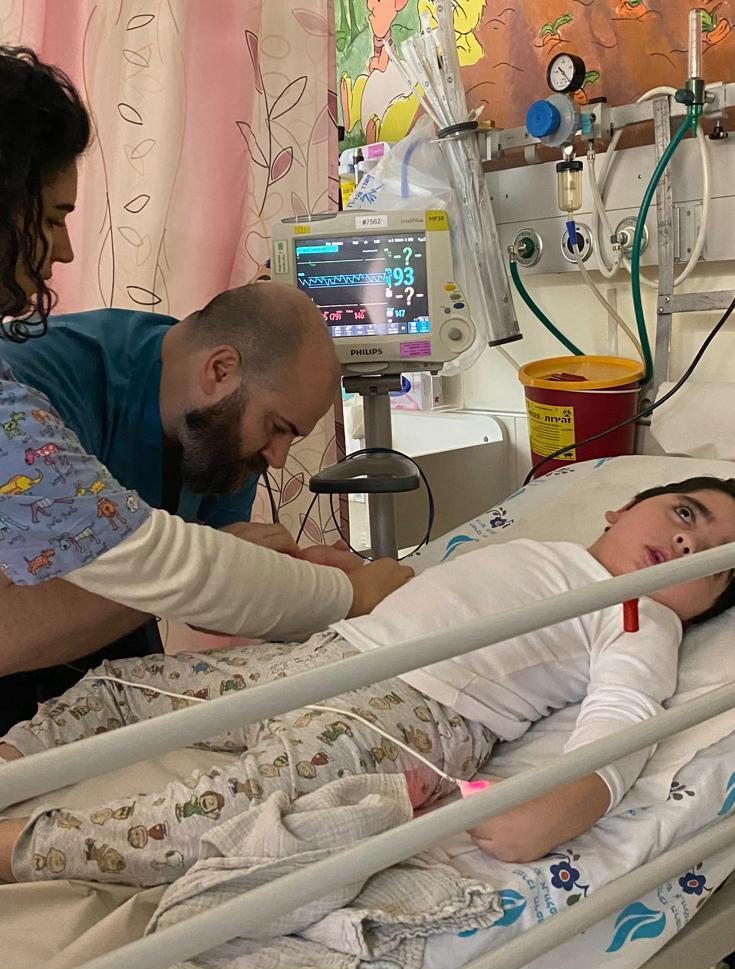
Itamar receives medical care following the brain injury he suffered after nearly drowning in 2014
(Photo: Courtesy of the family)
The warning sign nobody understood
It began as an ordinary Friday morning. Hagit had already sent her older children to school. At home were only Itamar and one of his siblings. Around 8:00 a.m., a scream shattered the quiet. “Mom! Watch out! Itamar!”
The young boy had nearly fallen into the family’s swimming pool. The pool was covered with what was supposed to be a safety cover, but winter rains had created a deep puddle of water on top of it. Hagit ran toward him and managed to pull him away at the very last second.
“I remember thanking God for saving my child,” she recalls. “What I didn’t understand was that my child had almost drowned right there. I didn’t know there was a way to pump the water off the cover. I didn’t even know such a thing existed. I remember thinking, ‘What is the point of a safety cover if another pool forms on top of it every winter?’”
Looking back, the questions still haunt her. “There were safety measures that should have been part of the system,” she says. “I have lived with those questions ever since.”
2:00 p.m. — the minutes that changed everything
After the morning incident, Hagit returned to preparing for Shabbat. She left Itamar in the care of a trusted babysitter, a young woman who remains close to the family even today. Before leaving, Hagit specifically warned her about the danger outside and told her what had happened earlier that morning.

Hagit Malul embraces her son Itamar during his long rehabilitation journey
(Photo: Courtesy of the family)
Shortly before 2:00 p.m., the babysitter went upstairs to hang laundry. When she came back down, she asked Hagit where Itamar was.
“I answered, ‘What do you mean, where is Itamar?’” Hagit recalls, her voice breaking. “That was the moment she realized he wasn’t with me.”
The babysitter ran outside. There, she found Itamar face down in the rainwater that had accumulated on top of the pool cover. “He had already drowned.”
Itamar survived, but suffered a devastating brain injury that would forever change the course of his life and the lives of everyone around him. Even now, eleven years later, the pain remains overwhelming.
“I’m crying as I speak about it,” Hagit says. “I cry for my son, but I also cry for the life we lost. I miss the child I had. After all the hospitalizations, treatments, rehabilitation programs and endless medical appointments, I can honestly say that living in the ‘after’ is not easy. Sometimes I think it would have been easier if he had died that day.”
The tragedy did not affect only Itamar; it affected every member of the family. “People see Itamar,” Hagit explains, “but they don’t always see what happened to the rest of us.”
Over the years, the family faced emotional crises, personal struggles and overwhelming burdens that tested everyone to their limits.
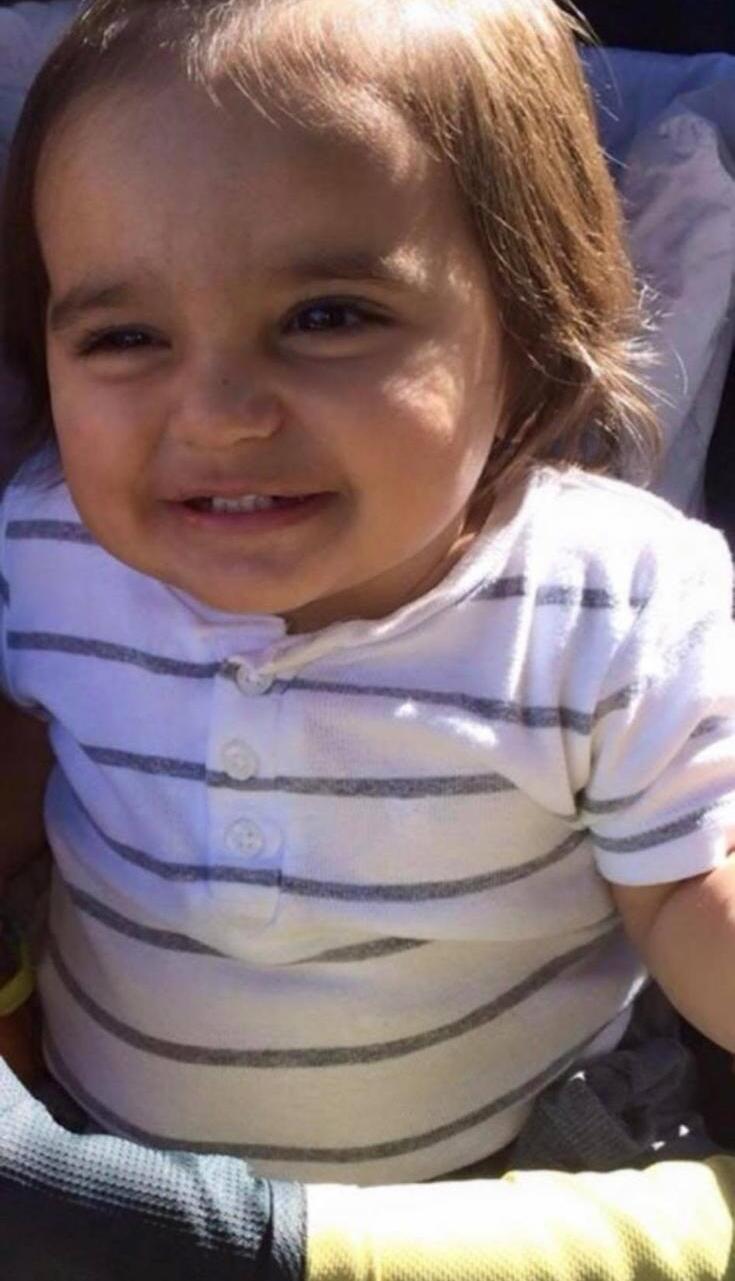
Itamar before the accident that changed his life and that of his family
(Photo: Courtesy of the family)
“Like many families dealing with ongoing trauma, we paid a very heavy emotional price. Every family member coped differently. We didn’t always have the tools or the strength to deal with the reality that had been forced upon us.”
Much of the responsibility eventually fell on Hagit’s shoulders. “I found myself carrying everything — caring for Itamar, raising the other children, holding the family together. There were moments of loneliness, exhaustion, and complete collapse. Times when I had to appear strong even when I was falling apart inside.”
Today, Itamar receives long-term care at Aleh, which works with children and adults with severe disabilities and complex medical conditions.
“I don’t want this article to be only about the accident,” Hagit says quietly. “I want people to understand what comes afterward. The years after. The pain after. The effect it has on an entire family. People see a tragedy for a moment, but they don’t see how life can change in a single second and how hard you have to fight every day just to stay sane.”
For Hagit, the care Itamar receives also helped her remain present for her other children. “As a mother, my greatest challenge was not only taking care of Itamar,” Hagit says. “It was making sure my other children wouldn’t disappear inside the pain.”
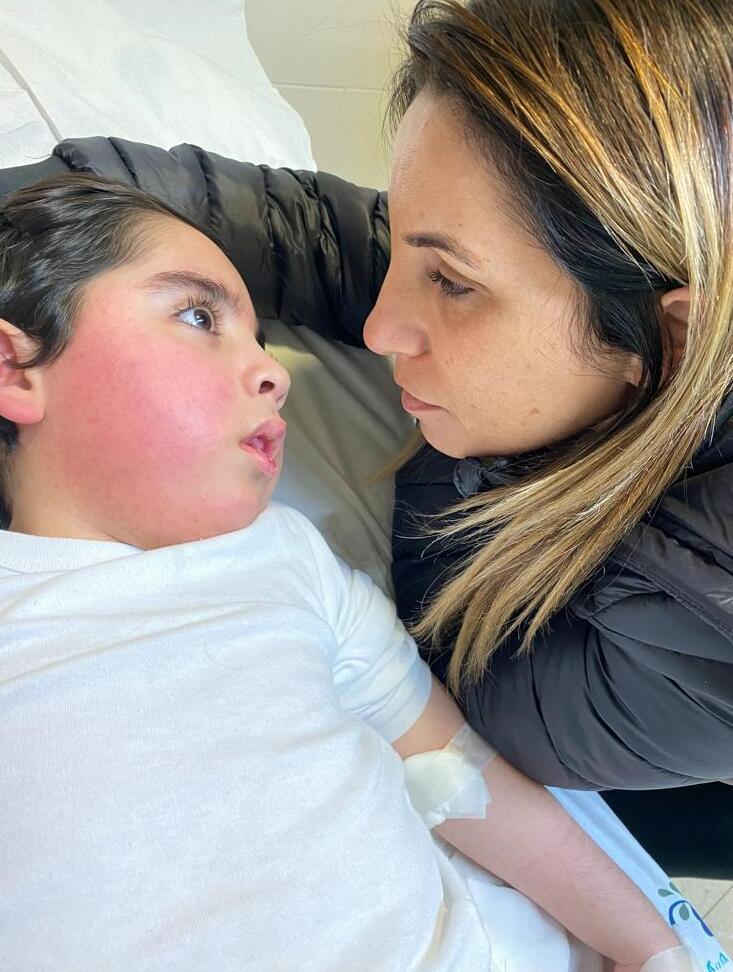
Hagit Malul with Itamar today, 11 years after the near-drowning that left him with severe brain injuries
(Photo: Courtesy of the family)
Knowing he was being cared for, she says, gave her “room to breathe.”
That continuity became even more important during the war, when Aleh’s staff continued working through sirens and emergency conditions to provide care for hundreds of vulnerable children and adults.
“Our commitment to these children and their families does not stop during emergencies, and it certainly does not weaken during times of war," Aleh CEO Rabbi Yehuda Marmorstein explains.
"On the contrary — it becomes even stronger. In moments of national uncertainty, our centers must remain the safest, most stable, and most loving place imaginable. Our teams work day and night with extraordinary dedication to ensure that every child continues to receive the care they need. We are here not only to provide medical and rehabilitative treatment, but also to strengthen entire families and remind them that even in the darkest moments, they are never alone.”
Finding a voice again
Hagit later began volunteering with groups focused on preventing household accidents, hoping other families might avoid a similar tragedy. She also returned to music, writing and releasing a song dedicated to Itamar.
She found another outlet in the kitchen, the place where she had been standing when the accident happened. She began cooking for others and teaching culinary workshops. “Sometimes I cook just so I won’t think about the pain,” she says.
“My soul is worn out from this,” she adds. “I have collapsed many times. But every time, I got back up. Life taught me the hardest lesson possible: Anything can happen. It can happen to anyone — rich or poor, famous or unknown. No one is immune.”