

A new medtech initiative called Taar aims to overhaul one of the most overloaded and inefficient steps in the healthcare system: patient intake and history-taking. Developed by Michael Paz, the platform digitizes and automates the process before the doctor visit even begins, giving physicians a clear, structured clinical snapshot the moment a patient enters the room.
According to data presented during the OfekTech accelerator's recent Demo Day, between 30% and 50% of the average doctor’s appointment is currently spent gathering patient history. In clinics where intake is done manually, this reduces patient throughput to just 4 to 6 individuals per hour, creates heavy workloads for physicians, and diminishes diagnostic accuracy.
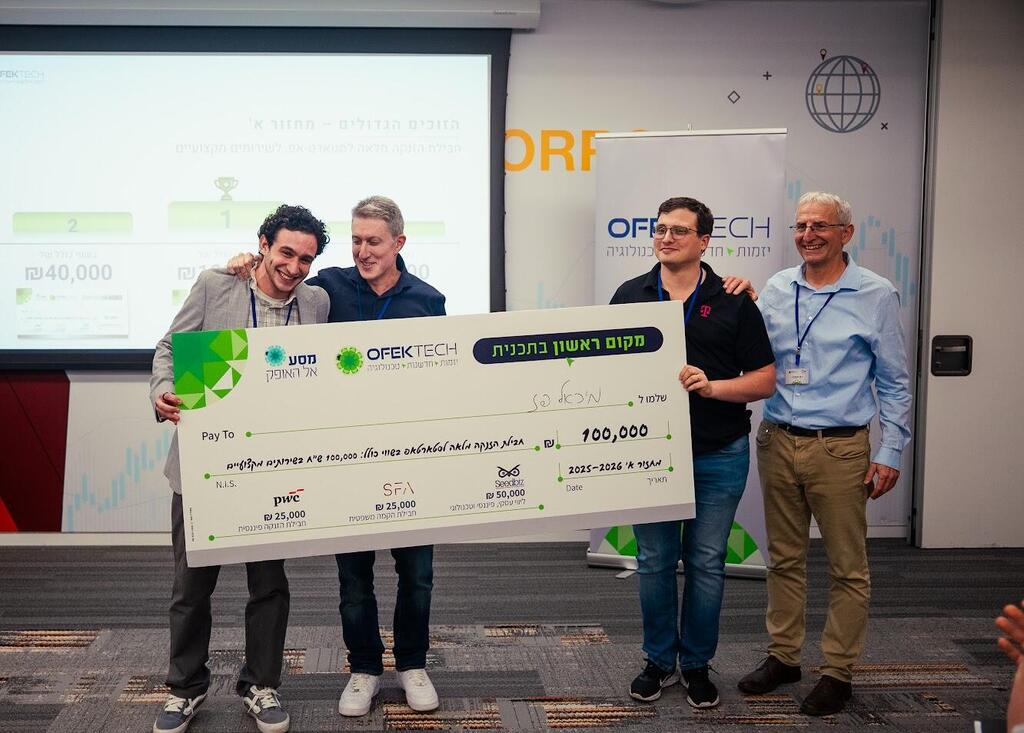
Paz’s solution shifts the data collection phase to before the visit. Patients input structured information — including symptoms, medical history and background details — ahead of time. The system then generates a clinical summary that doctors can review before the consultation begins. This model, according to Paz, increases patient capacity to 8–10 per hour without replacing existing systems or burdening staff with additional work.
“Taar turns patient intake into a short digital step that gives the physician a clear clinical picture before the patient even enters,” said Paz. “The result is less administration, fewer errors, and more time for medicine — for a faster, higher-quality visit.”
Paz, a former IDF combat engineering officer, began building Taar after a difficult transition out of military service. “I left the army lost and confused, with no real direction in life,” he recalled. “I wanted to do something meaningful but didn’t know what. At one point, I even considered just escaping to India to find myself.”
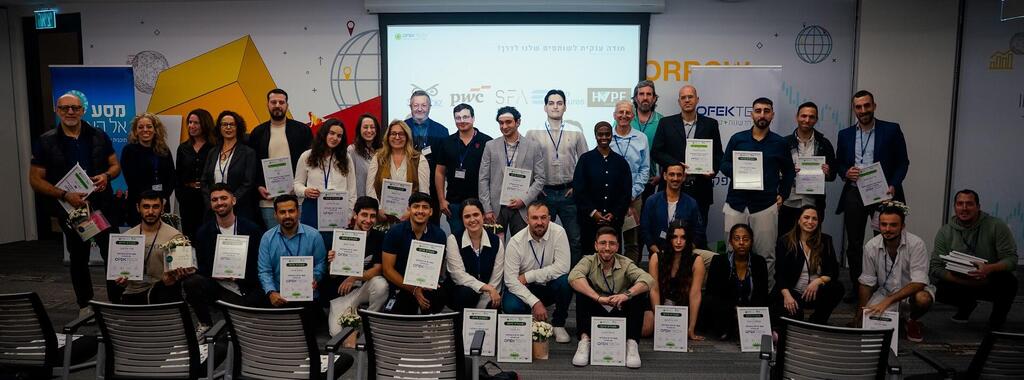
The entrepreneurs and their mentors
(Photo: Natan Shalev)
His turning point came with his entry into Masa El HaOfek (Journey to the Horizon), a post-army mentorship program that later led him to its tech accelerator, OfekTech, which supports military and national service veterans with tech entrepreneurship training. The program guides participants from concept to investor pitch, offering mentorship in tech, marketing, law and finance from senior industry leaders.
“It helped me see that what I thought were weaknesses — the trauma and vulnerability from combat — could actually be strengths,” said Paz. “I took the discipline, pressure-handling, and systems thinking I learned in the army and turned them into something entrepreneurial. That’s how Taar was born.”
His connection to medicine also has personal roots: Paz’s father is a physician, and growing up, he witnessed the tension between the desire to give every patient quality care and the system’s time constraints. “I grew up around that gap,” he said. “For me, Taar is an attempt to close it.”
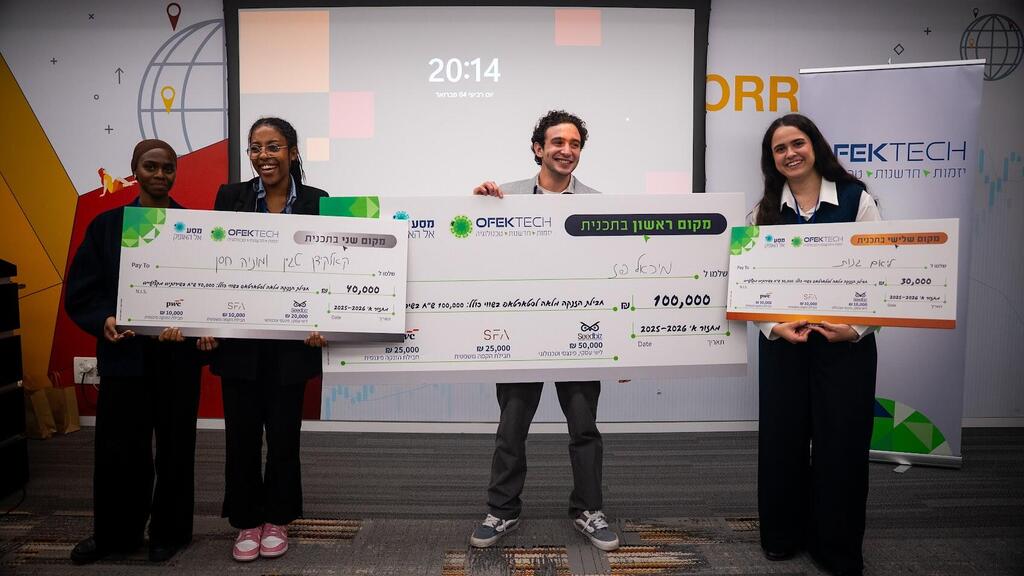
The first three places
(Photo: Natan Shalev)
Vice Admiral (res.) Ram Rothberg, CEO and founder of Masa El HaOfek, said the program was built on the understanding that many young veterans return from service with extraordinary skills but no clear path into civilian life. “We take discipline, responsibility and systems thinking — and translate them into entrepreneurship and technology,” Rothberg said.
At the end of the Demo Day event, which featured 15 ventures from army and national service alumni, Paz’s project won the top prize of 100,000 shekels (approx. $32,000). Second place went to Kalkidan Tigayen and Mounia Hassan for a smart data-packaging platform that consolidates information from multiple sources, earning them 40,000 shekels. Third place was awarded to Liam Ganot for a discreet, wearable emergency button, receiving 30,000 shekels.
The OfekTech accelerator operates in partnership with leading players in the Israeli tech ecosystem, including Seedbiz, PwC Israel, S. Friedman, Abramzon & Co., Elron Ventures and HYPE.