

As Israel continues to face the ongoing consequences of war, the number of soldiers dealing with physical injuries and psychological trauma remains high. Alongside formal rehabilitation systems, smaller initiatives are developing—some of them offering a different, more demanding path to recovery.
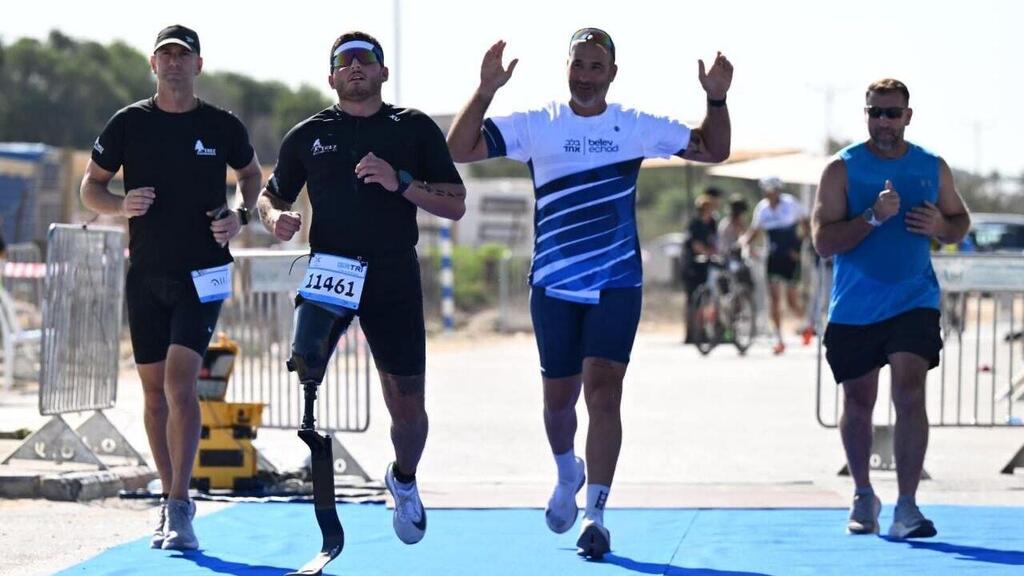
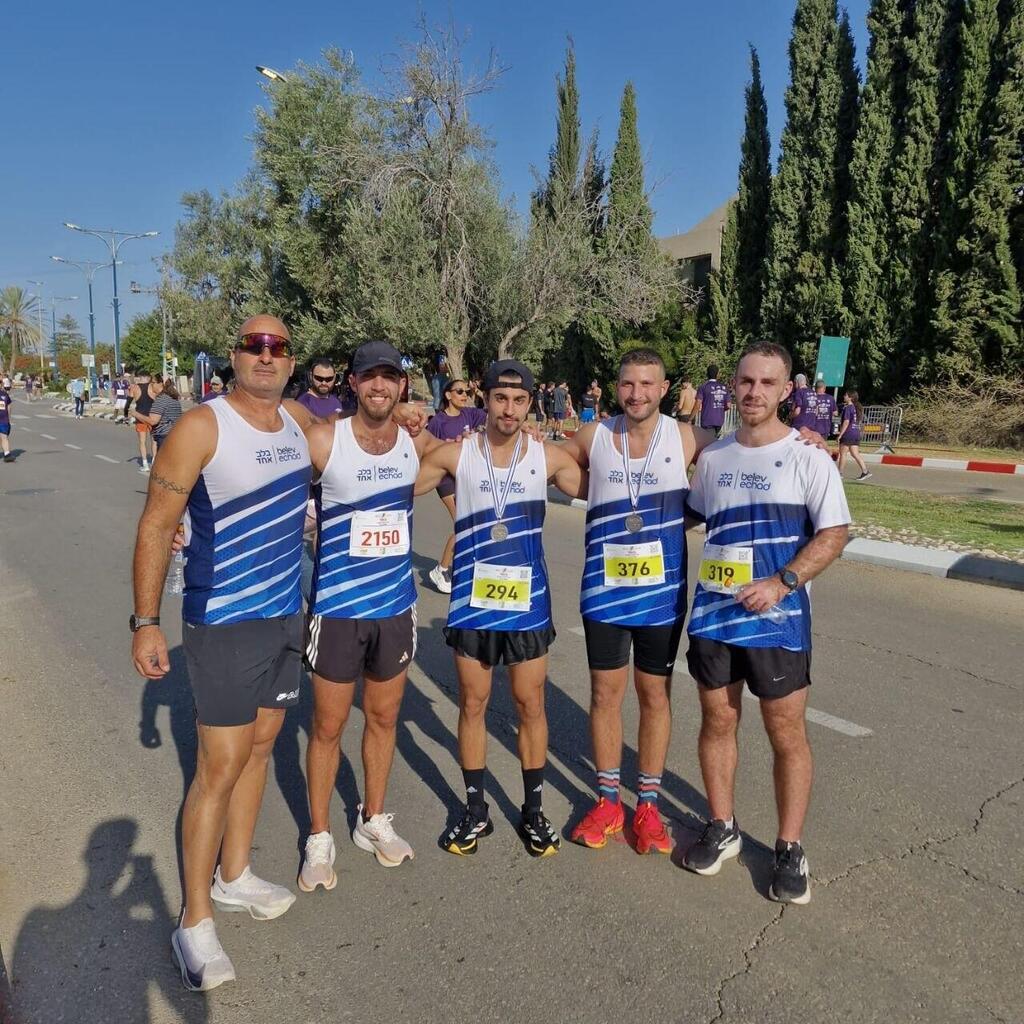
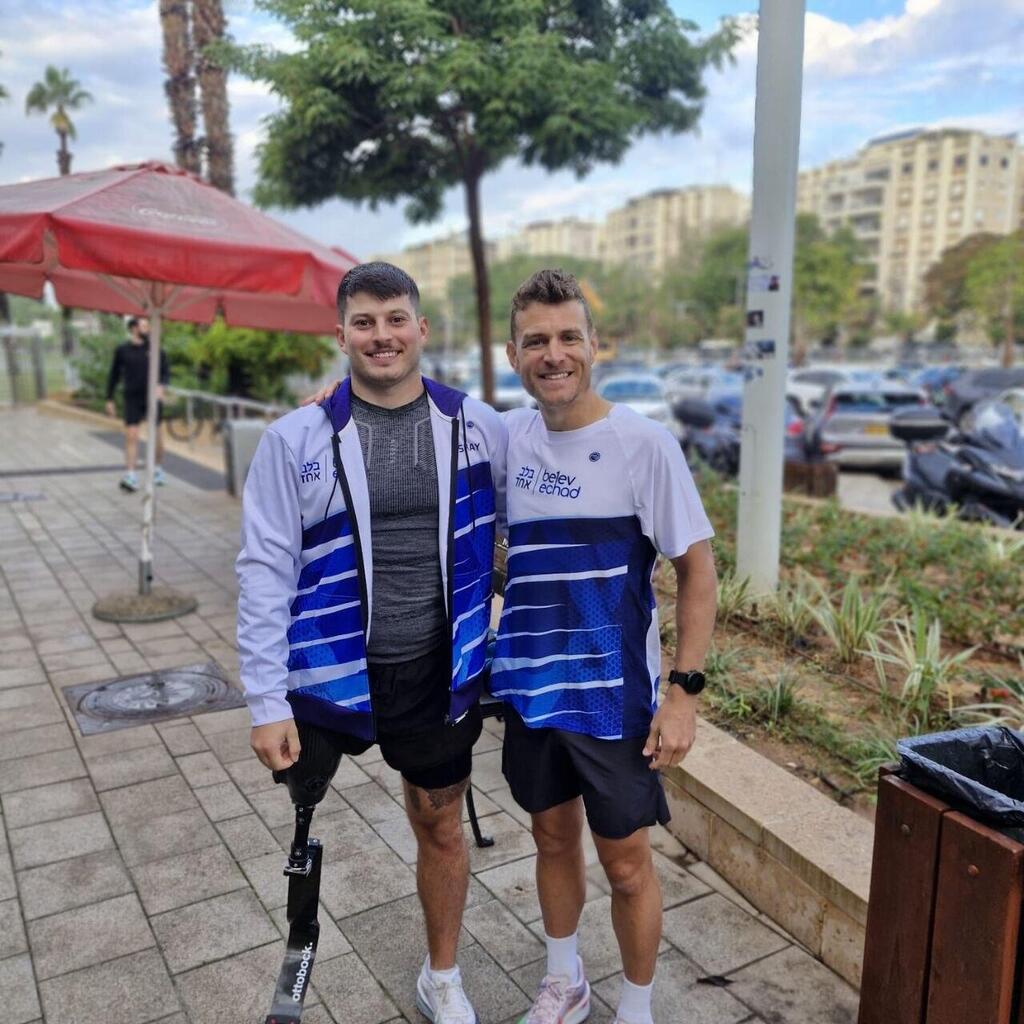
One such initiative is “Step by Step,” a program operating under Belev Echad. Launched about a year ago by endurance coach and former Israeli Ironman champion Tom Marmarelli, the program works with wounded soldiers, guiding them through long-term physical and mental processes aimed at rebuilding structure and purpose.
(Photo: Belev Echad)
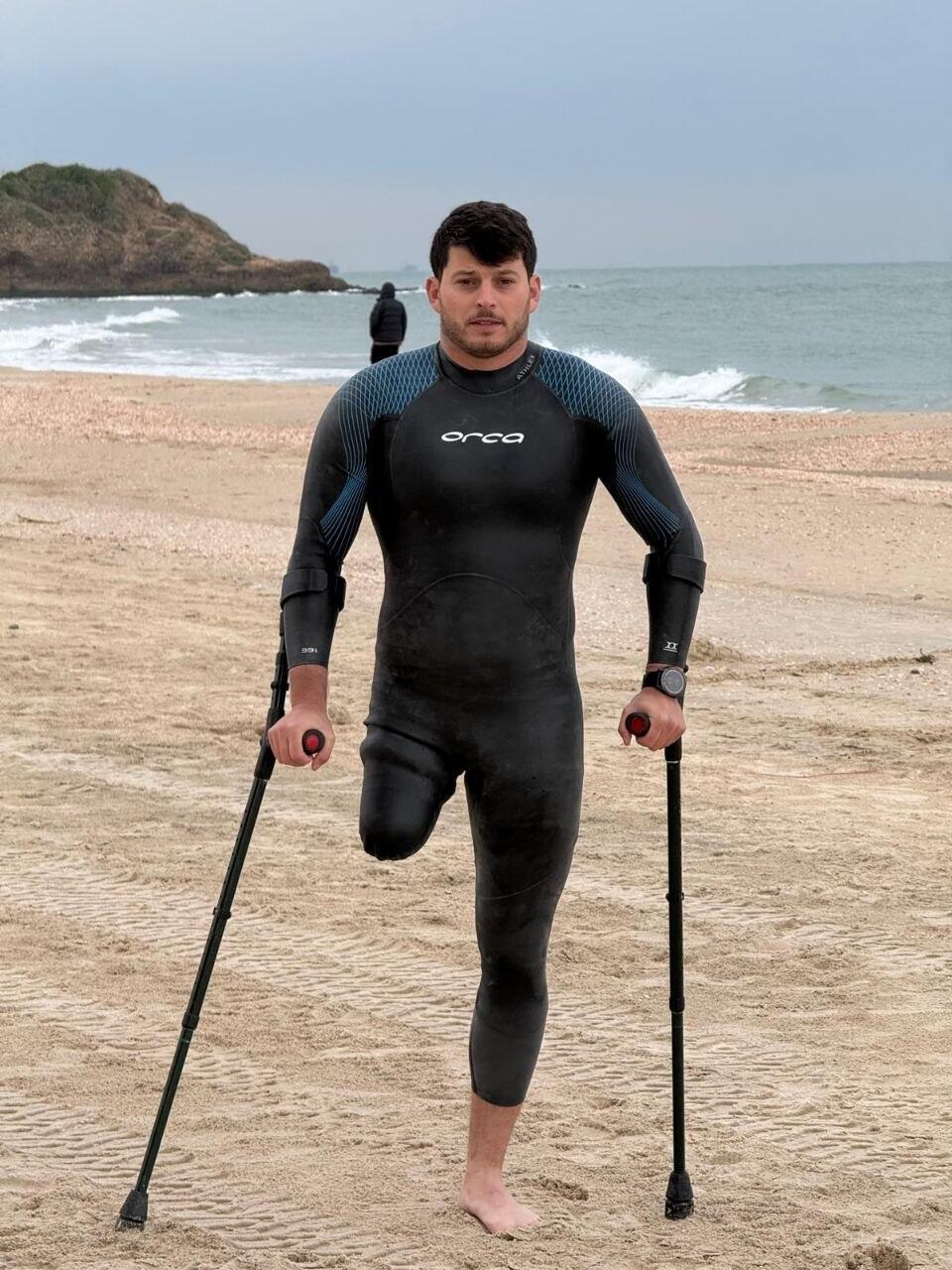
The group currently includes 18 participants. Some are recovering from serious physical injuries, including amputations. Others are coping with ongoing symptoms of Post-traumatic stress disorder.
“We start from wherever they are,” Marmarelli says. “In many cases, that means starting from nothing—no routine, no sleep, no physical baseline. The goal is to build something sustainable from there.”
The process usually lasts around nine months, sometimes longer. It includes individualized training plans, group sessions, and close personal mentoring. But the focus extends beyond physical performance. According to those involved, a key objective is restoring consistency in daily life.
‘Step by Step’
(Photo: Belev Echad)
(Photo: Belev Echad)
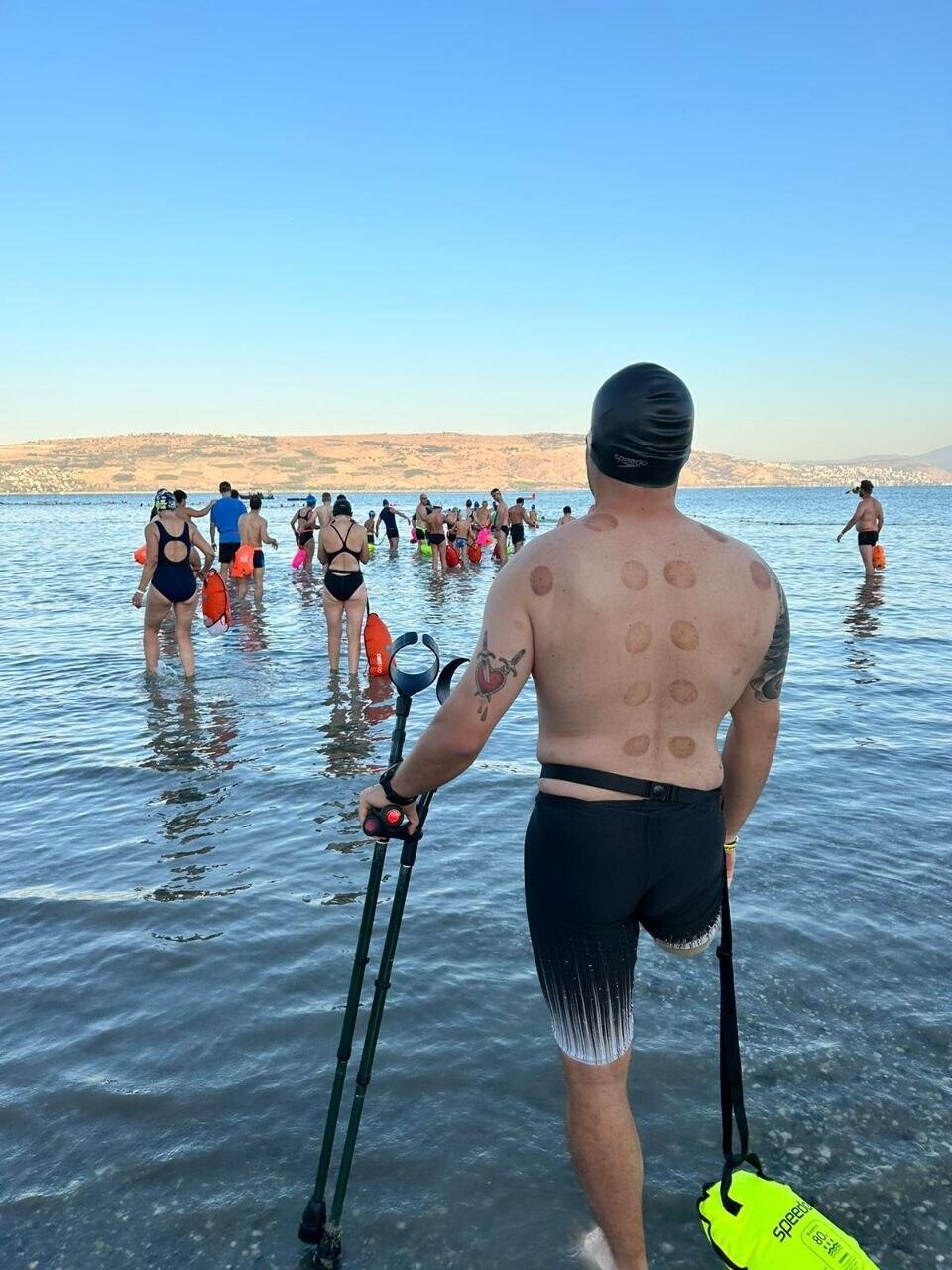
(Photo: Belev Echad)
Rabbi Uriel Vigler, one of the organization’s founders, says the program addresses a gap left by traditional rehabilitation. “Helping someone regain basic function is critical,” he explains, “but it does not necessarily restore a sense of direction. This is about creating a future people can actively work toward.”
Shevy Vigler adds that the changes are often gradual but visible. “Many arrive withdrawn, physically or emotionally. Over time, with structure and support, you begin to see engagement return. It is not immediate, but it is consistent.”
Some of the participants’ stories highlight the scale of that change.
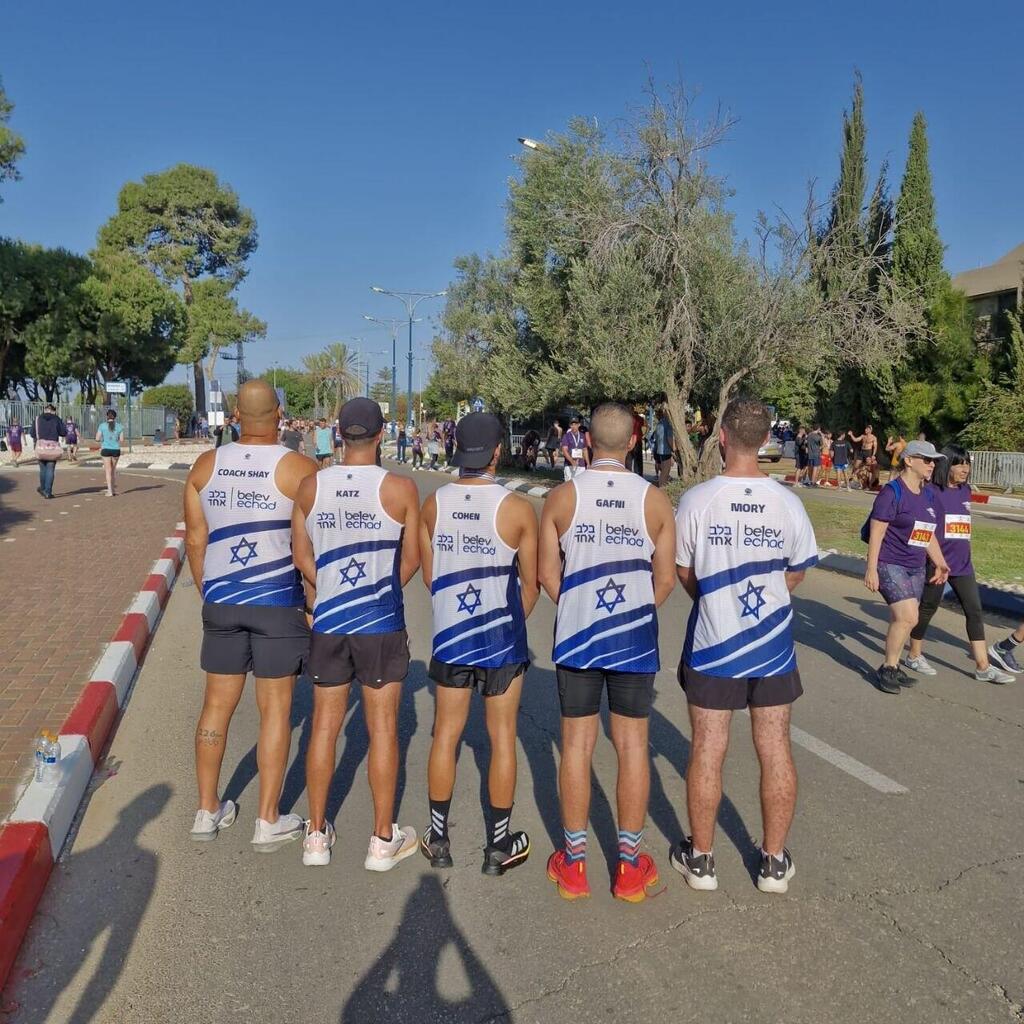
‘Step by Step’
(Photo: Belev Echad)
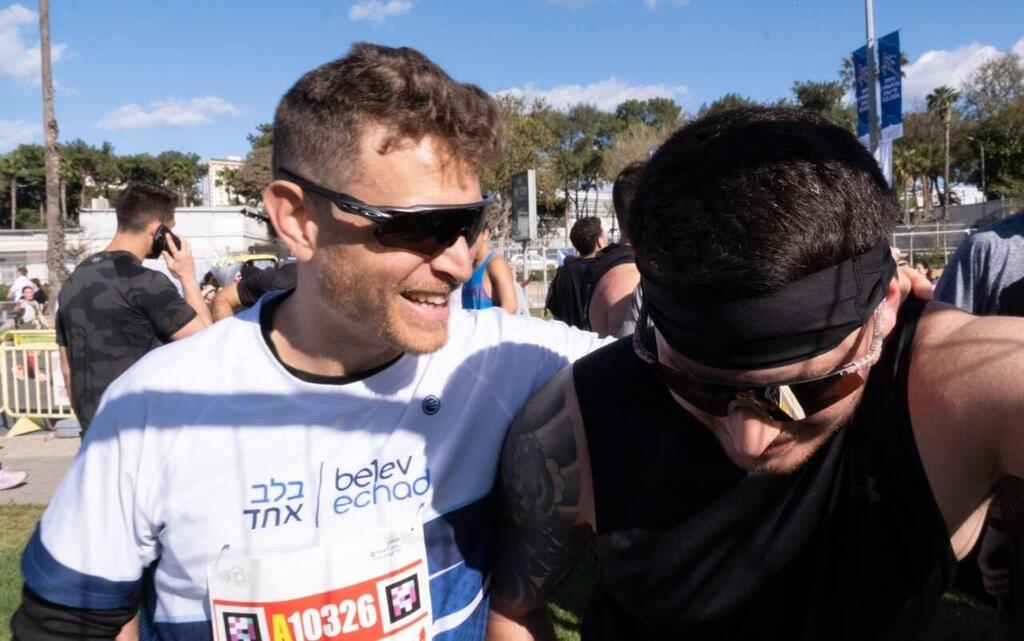
(Photo: Belev Echad)
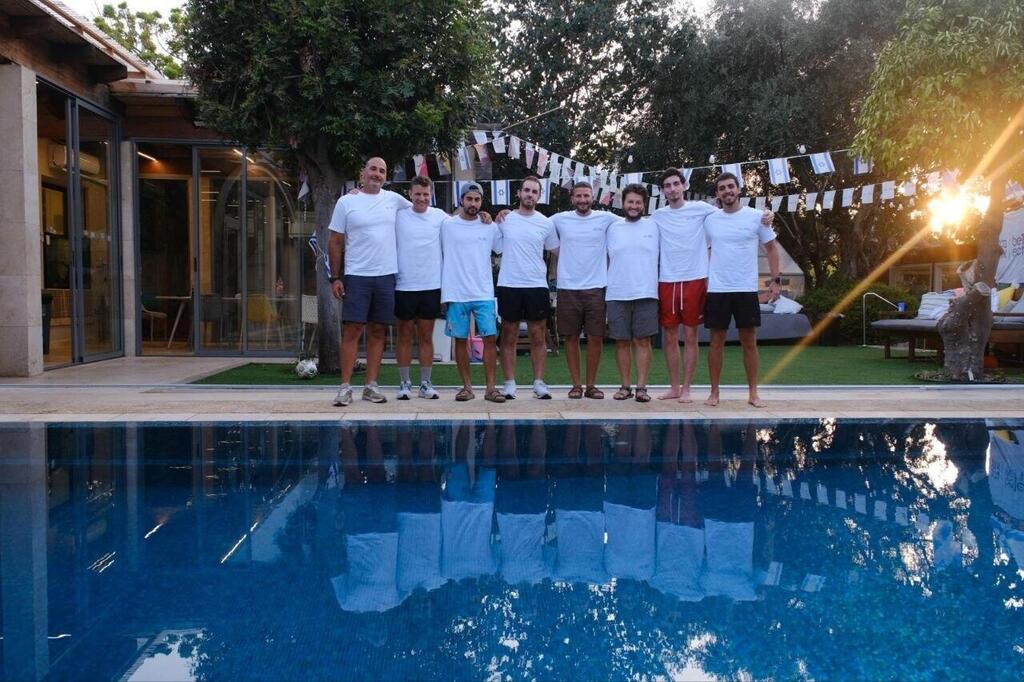
(Photo: Belev Echad)
Boris, an above-knee amputee, is currently training for a full Ironman competition in Kona, Hawaii. The race includes a 3.8-kilometer swim, 180-kilometer cycling segment, and a full marathon. If he completes it, he is expected to become the first Israeli above-knee amputee to do so.
Another participant, Amit, joined the program with no athletic background and severe sleep disruption. Within nine months, he completed the Tel Aviv Marathon, lost more than 20 kilograms, and, according to those working with him, regained the ability to sleep regularly.
Marmarelli says these outcomes are not isolated. “The physical progress is measurable, but the broader impact is in routine and focus. When those return, other aspects of life tend to stabilize as well.”
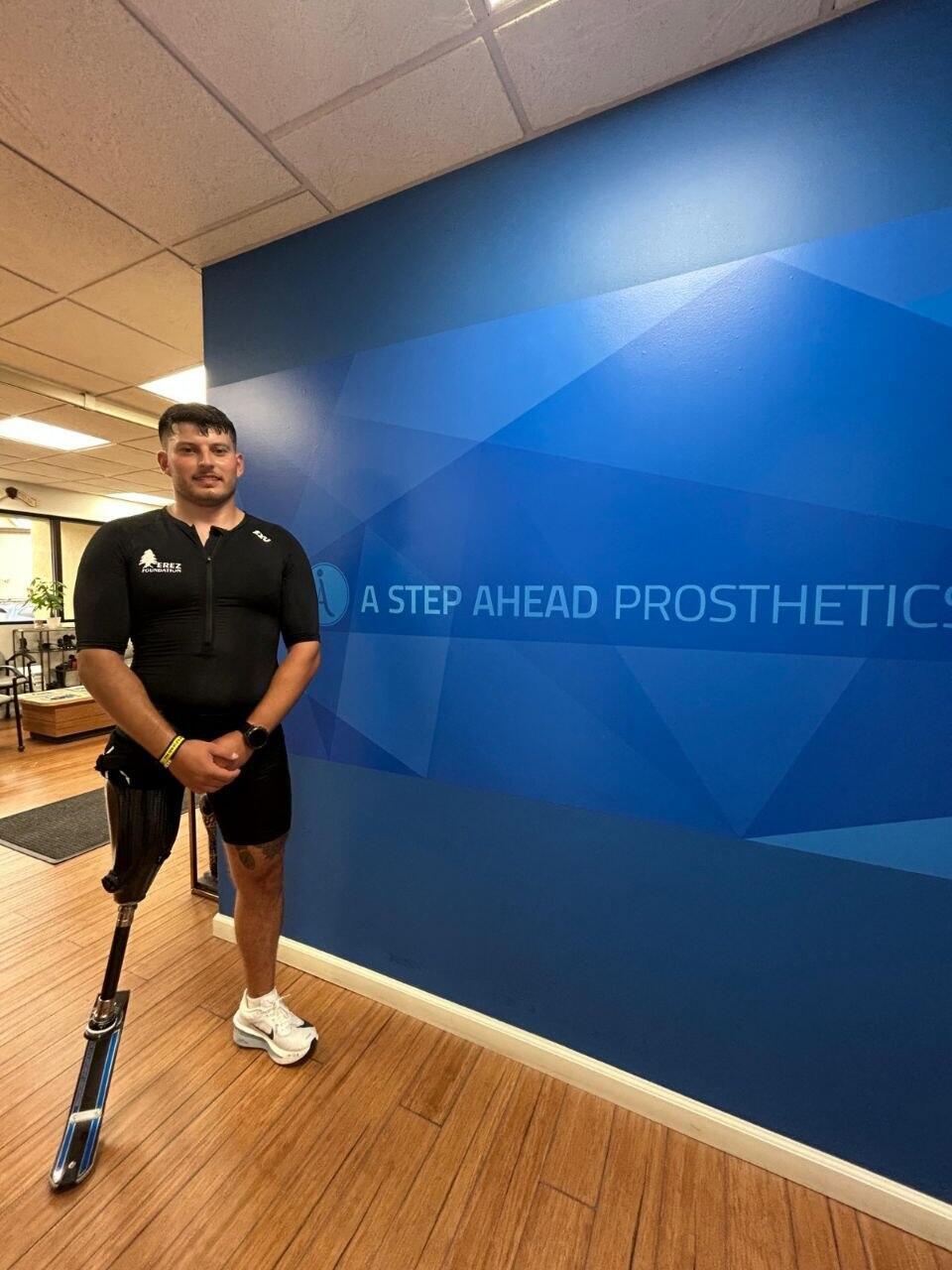
(Photo: Belev Echad)
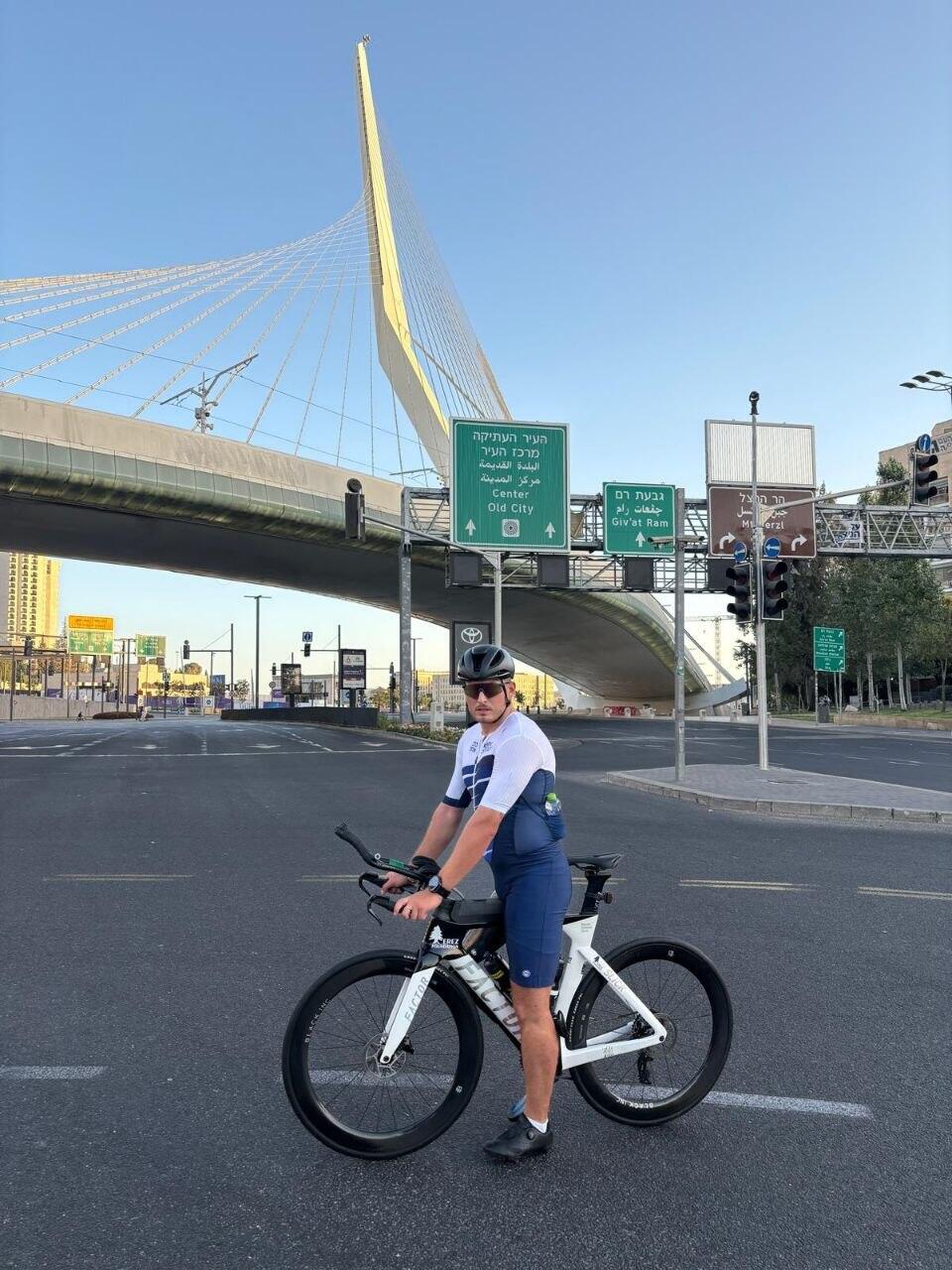
(Photo: Belev Echad)
The program also includes international activity. In the coming weeks, several participants are expected to travel to New York to take part in a relay-style marathon event, with each runner completing a segment of the course. The initiative is supported in part by donors based in the United States.
In a context where trauma is often ongoing rather than confined to a single past event, programs like “Step by Step” reflect a broader shift in how recovery is approached—not as a return to a previous condition, but as the development of a new one.
For participants, the finish line is only one part of the process. The more significant step is reaching a point where moving forward again becomes possible.