

A study conducted at Shaare Zedek Medical Center among soldiers wounded in the war found that 64% were diagnosed with acute stress disorder, with especially strong associations found between the diagnosis and previous personal trauma as well as exposure to fatalities in the incident in which they were injured.
Researchers said the findings underscore the importance of identifying high-risk soldiers early so that psychological intervention can begin as soon as possible and potentially reduce long-term consequences, including post-traumatic stress disorder, or PTSD.
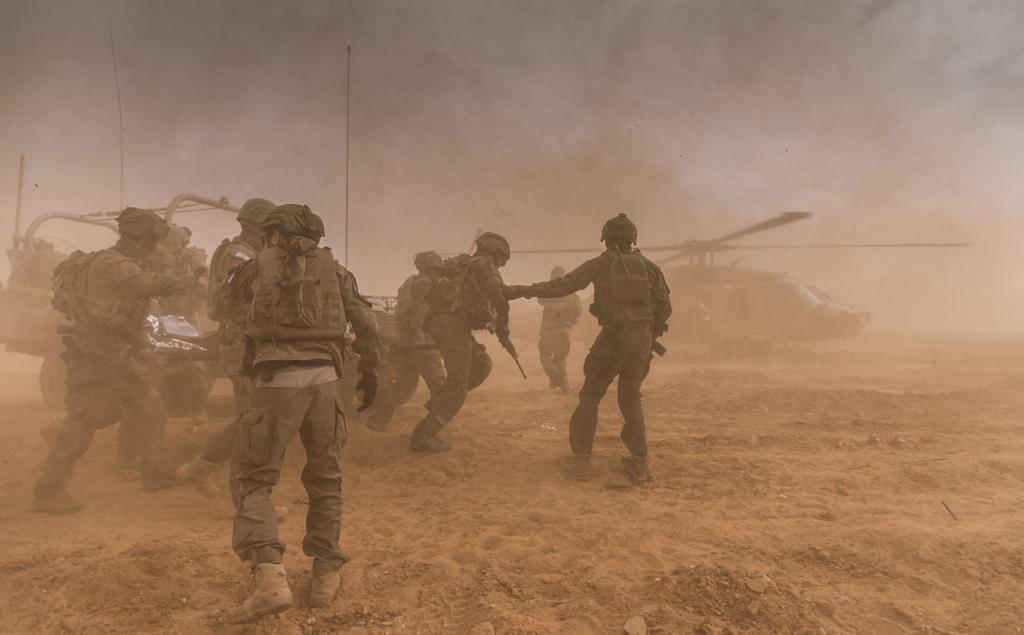
“Understanding which soldiers are at increased risk of acute stress disorder and post-trauma highlights the importance of early psychological intervention, which can support better spontaneous recovery,” said Yona Luria, director of psychological services at Shaare Zedek and one of the study leaders.
“The factors we identified serve as red flags for the staff, indicating cases in which more significant intervention or more intensive follow-up is needed.”
The study, published in the journal Military Medicine, examined the medical records of 142 soldiers wounded in the war and hospitalized at Shaare Zedek in Jerusalem between October 7, 2023, and December 31, 2024.
Researchers sought to identify which social, family and personal factors, including previous trauma and characteristics of the injury event itself, were associated with the development of acute stress disorder, or ASD.
Acute stress disorder can develop after a traumatic, life-threatening event. Symptoms last from three days to one month and can include low mood, dissociation, hyperarousal expressed through irritability and sleep problems, intrusive thoughts such as flashbacks and nightmares, and avoidance of reminders or discussion of the event.
If symptoms continue for more than a month and impair functioning, they may develop into PTSD. The researchers said the period between the initial stress response, the onset of acute stress disorder and possible progression to PTSD represents an important window for early psychological support.
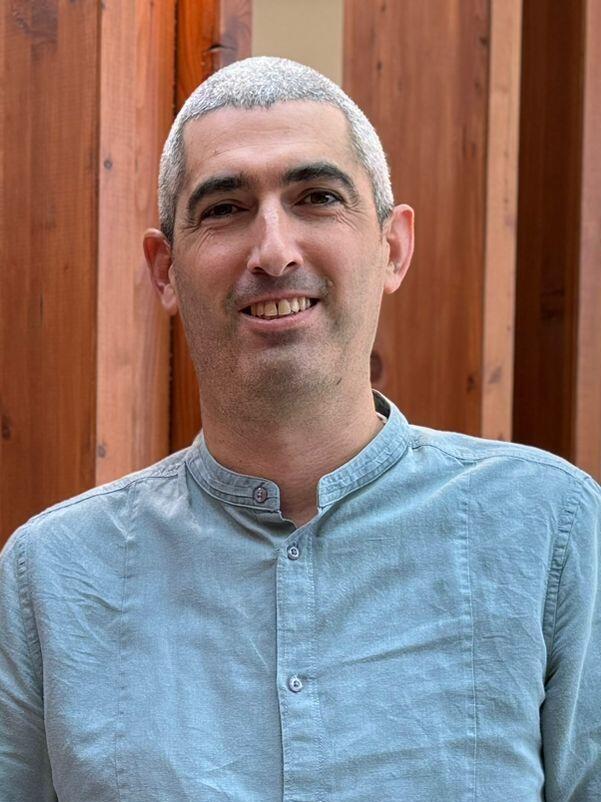 Yona Luria, director of psychological services at Shaare Zedek Photo: Shaare Zedek
“An acute stress response is a normal response to an emergency,” Luria said. “These are bodily mechanisms that help a person respond effectively to an emergency.”
“If someone is in a car accident and gets out of the vehicle shaking and crying, with a rapid heartbeat, that is a normal response to the traumatic event they experienced. The problem begins when those symptoms continue for more than a few hours or a few days, and patients are unable to recover spontaneously from the event and remain in the same state of arousal as in the initial reaction.”
“At that point, we begin to see a clinical diagnosis of acute stress disorder, which in some cases may later develop into post-traumatic stress disorder.”
‘We became part of the battlefield’
About 96% of the participants were men, with an average age of 25.6. Around 45%, or 64 soldiers, were serving in compulsory military service, while the remainder were reservists. Most of the participants, 113, or about 80%, had served in the Gaza Strip.
“Long before October 7, we placed an emphasis on mental-health support for wounded patients in the hospital, even during routine incidents, but from the moment the war began we became part of the battlefield,” said Mary Babkin Klein, a trauma coordinating nurse at Shaare Zedek and initiator of the study. “Soldiers were arriving every day, and we understood that we were dealing with something different.”
“We saw differences in soldiers’ reactions to different events and under different circumstances, and that led to the idea of examining all the factors that might contribute to acute stress disorder: injury severity, the area of the body that was injured, characteristics of the scene and personal factors.”
“We thought that this could help us, as a medical team, identify in advance soldiers at risk of developing acute stress disorder, which can later lead to post-trauma, prepare accordingly and tailor the most appropriate intervention for each patient.”
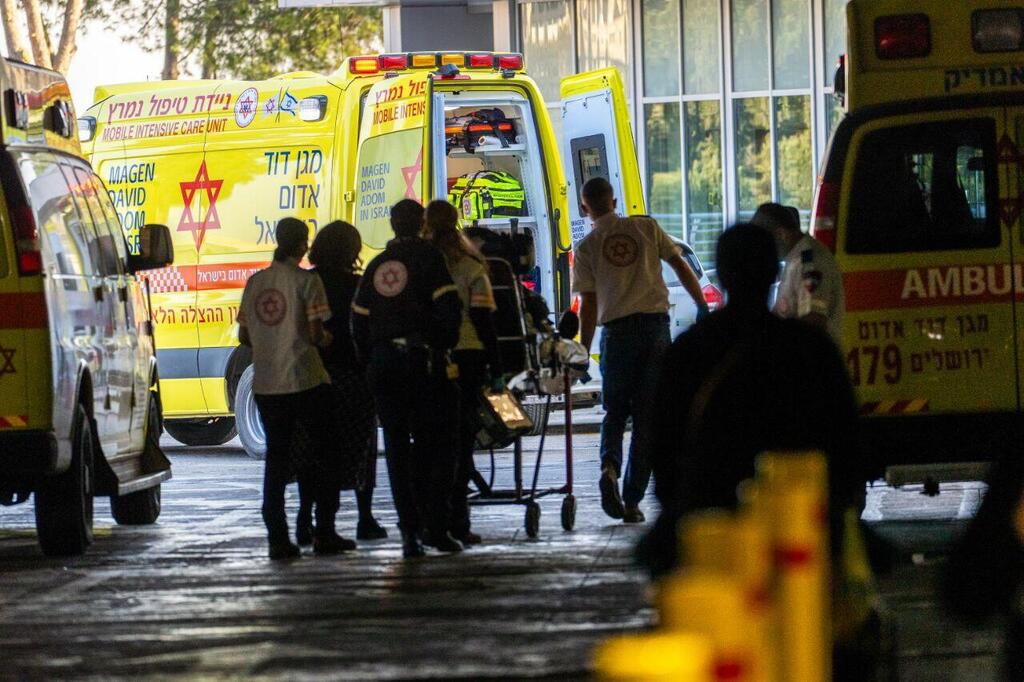
Evacuation of wounded soldiers to Shaare Zedek Medical Center
(Photo: Shalev Shalom)
Of the 142 soldiers included in the study, 91, or 64%, were diagnosed with acute stress disorder. The diagnoses were made by psychologists or social workers based on clinical assessments documented in medical records during hospitalization. The evaluations took place between the first days after the event and the end of the first month, with timing determined by each patient’s medical condition.
Trauma before the injury
One of the study’s most notable findings involved previous trauma. Soldiers who had previously experienced personal trauma had 6.49 times the odds of being diagnosed with acute stress disorder compared with soldiers without such a history.
According to the researchers, this included events in a person’s private life such as a recent divorce, the death of someone close or a serious medical diagnosis in a family member.
Previous combat-related trauma was associated with 3.9 times the odds of diagnosis. Researchers also examined the circumstances of the incident in which each soldier was wounded and found that 62 of the injured soldiers, or 43.7%, had been present at events in which people were killed.
Among the 91 soldiers diagnosed with acute stress disorder, 49 had been exposed to such an event. The presence of fatalities at the scene was associated with 2.9 times the odds of an ASD diagnosis. By contrast, the mere presence of other wounded people was not found to be significantly associated with development of the disorder.
“From the moment we received the results, it changed our approach and our practice,” Babkin Klein said. “It is true that every soldier underwent psychological assessment beforehand as well, but following the findings we knew in advance which soldiers might be at risk.”
“For example, if we received information that a helicopter was arriving with wounded soldiers and that there had also been fatalities in the same incident, we called in the psychological and social-work teams in advance and moved up the intervention.”
 Mary Babkin Klein, a trauma coordinating nurse at Shaare ZedekPhoto: Shaare Zedek
Before the study, she said, the team focused mainly on the patients’ current medical condition. “Following the findings, we learned to ask more about where the soldier was coming from, what they had already been through in life and what experiences they were bringing with them, in order to assess their need for psychological intervention and continued treatment.”
Differences were also found in injury severity and length of hospitalization. Among soldiers diagnosed with acute stress disorder, the median Injury Severity Score, or ISS, was 9, compared with 5 among those who were not diagnosed. Their hospital stays were also longer, with a median of seven days compared with four.
An initial analysis found a significant association between both factors and acute stress disorder. However, when researchers adjusted for other factors at the same time, the association with injury severity was no longer statistically significant.
Can the military unit substitute for family?
Age, sex, marital status, family estrangement and lone-soldier status were not significantly associated with an acute stress disorder diagnosis, contrary to one of the researchers’ hypotheses. The researchers suggested that one possible explanation could be the unusual nature of the war, combined with strong unit cohesion and a shared sense of purpose.
They noted that the military unit may have functioned to some extent as a substitute for family, providing emotional solidarity, shared meaning and immediate support, all factors known to help reduce stress and anxiety during combat.
“Many of them were surrounded by military support systems throughout their hospitalization, and that may have blurred the extent of family support,” Babkin Klein said.
The researchers stressed, however, that the effects of social and family support may become clearer during long-term rehabilitation rather than immediately after the traumatic event.
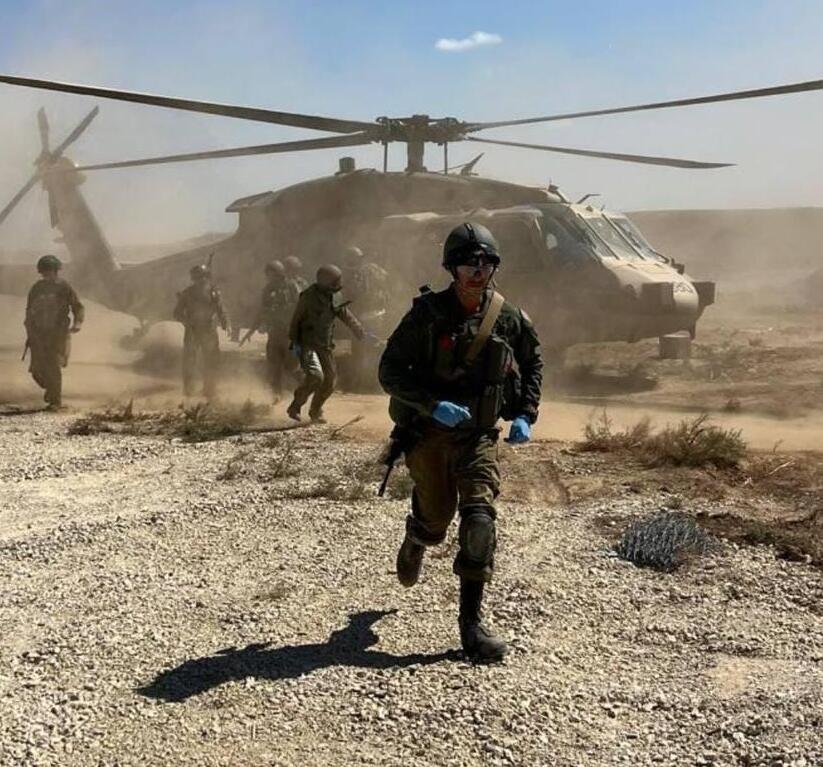
Mental health treatment must be integrated with physical care
(Photo: IDF)
The study also had several limitations. It relied on medical records from soldiers hospitalized at a single hospital, meaning the findings may not represent all soldiers wounded during the war. It was also retrospective, meaning it cannot establish cause and effect.
‘Like a cut in the emergency room’
Luria said Israel’s mental-health system has undergone significant changes since October 7, but that services still need to be expanded to provide comprehensive care to everyone who needs it. He said the study also highlights the need to train medical staff to provide professional early intervention as soon as possible during emergencies.
“In every traumatic event, and especially in emergencies like these, it is important to integrate mental-health treatment immediately with physical treatment, rather than waiting for an injured soldier to recover physically before providing psychological care,” he said.
Luria said that in the past, the prevailing view was that such intervention should not be carried out in the earliest stages, but that research now points to the importance of early intervention in helping prevent later PTSD. “We at the hospital have also prepared to work with immediate intervention methods,” he said. “There is now great importance in fully integrating mental and physical care.”
“If a patient arrives at the emergency room with a cut, every doctor knows how to assess the depth of the wound and what treatment is needed, whether stitches or adhesive, so that the scar is as small as possible and recovery is optimal.”
“In this study as well, we identified factors that may predict a future ‘psychological scar,’ so that we can provide an appropriate intervention or more substantial therapeutic treatment.”
The research team also included Dr. Alon Schwartz, director of Shaare Zedek’s trauma unit; Prof. Petahya Reisman, director of the department of minimally invasive surgery; as well as researchers from the IDF Medical Corps, Sapir Academic College’s School of Social Work and the Department of Health Systems Management at Ramat Gan Academic College.