


Long-term heavy alcohol consumption is associated with a significant increase in the risk of colorectal cancer, particularly rectal cancer, according to a large study published this week in the scientific journal Cancer.
The study found that people who consumed alcohol heavily throughout their lives faced up to a 91% higher risk of developing colorectal cancer compared with those who drank very little. The highest risk was seen among consistent heavy drinkers, while people who stopped drinking showed a reduced risk of developing precancerous lesions.
Colorectal cancer and alcohol consumption


The findings add to a growing body of research defining alcohol as a known carcinogen, with a clear link to colorectal and rectal cancer. Possible explanations include: The breakdown of alcohol in the body produces acetaldehyde, a known carcinogen. Alcohol can also impair the absorption of folic acid, which is essential for DNA repair, alter the balance of gut bacteria and increase inflammatory processes, all of which may contribute to cancer development.
“There is currently an active debate among public health experts about how alcohol should be addressed, whether the recommendation should be complete abstinence or whether moderate drinking can be allowed,” said Prof. Hagai Levine, chairman of the Association of Public Health Physicians.
“This discussion has intensified following updates to the U.S. food pyramid. The current study provides another clear illustration of the risks associated with heavy drinking, including an increased risk of colorectal and rectal cancer.”
Levine stressed that colorectal cancer is partly preventable. “Proper nutrition and early detection through screening tests can significantly reduce the risk,” he said.
Gallery

Heavy drinking significantly increases the risk of colorectal cancer, particularly rectal cancer
(Photo: Shutterstock)
Decades-long follow-up of tens of thousands
The study was based on data from the U.S. PLCO screening trial, which included more than 88,000 men and women ages 55 to 74 with no history of cancer. Participants reported their alcohol consumption patterns across four stages of life, starting at age 18, and were followed for up to 20 years to identify cancer cases.
Compared with people who drank less than one alcoholic drink per week on average over their lifetime, those who consumed 14 drinks or more per week had a 25% higher risk of developing colorectal cancer. The association was particularly strong for rectal cancer, where the risk nearly doubled. The findings come amid a continued rise in colorectal and rectal cancer incidence, especially among younger people.
 Prof. Hagai LevinePhoto: Kobi Gideon / GPO
“Long-term drinking patterns increase cumulative damage to the colon and rectum and impair cellular repair mechanisms, which are central to cancer development,” said Dr. Olesya Goldman, gastrointestinal oncology coordinator at the oncology institute of Meir Medical Center.
According to Goldman, alcohol harms the body through several mechanisms. “Alcohol consumption impairs the liver’s ability to break down toxins. When the liver is overloaded, toxins remain in the body longer, cells are exposed to them, and mutations can develop and lead to cancer,” she said. “Alcohol also causes changes in blood vessels and disrupts the balance of healthy gut bacteria.”
Goldman stressed that there is also a hopeful takeaway. “When a person stops drinking, the risk decreases. The liver is an organ capable of recovery, and once alcohol consumption stops, its ability to detoxify improves and cumulative damage is reduced,” she said.
She added that the combination of liver damage, vascular changes and effects on gut bacteria may help explain why the risk is particularly high in the rectum, an area rich in blood vessels.
Rising cancer rates among younger adults
Goldman noted a growing rise in rectal cancer among younger people, with the disease being diagnosed at ever younger ages. “This is often a cancer that is more difficult to treat and more complex clinically, which makes the importance of screening and early diagnosis especially critical,” she said.
 Dr. Olesya GoldmanPhoto: Meir Medical Center
Rectal cancer’s anatomical location complicates treatment. “The rectum is located in the lower pelvis, a narrow and crowded area. When tumors are large, they may invade nearby muscles and fatty tissue, making surgery much more challenging,” Goldman said. In such cases, chemotherapy and radiation are often required before surgery to shrink the tumor and allow for safer and more effective removal.
Researchers found that the highest risk was among people who drank heavily at all stages of adulthood. Participants who consistently exceeded recommended alcohol limits throughout life had a 91% higher risk of developing colorectal cancer compared with lifelong light drinkers or those who did not drink consistently.
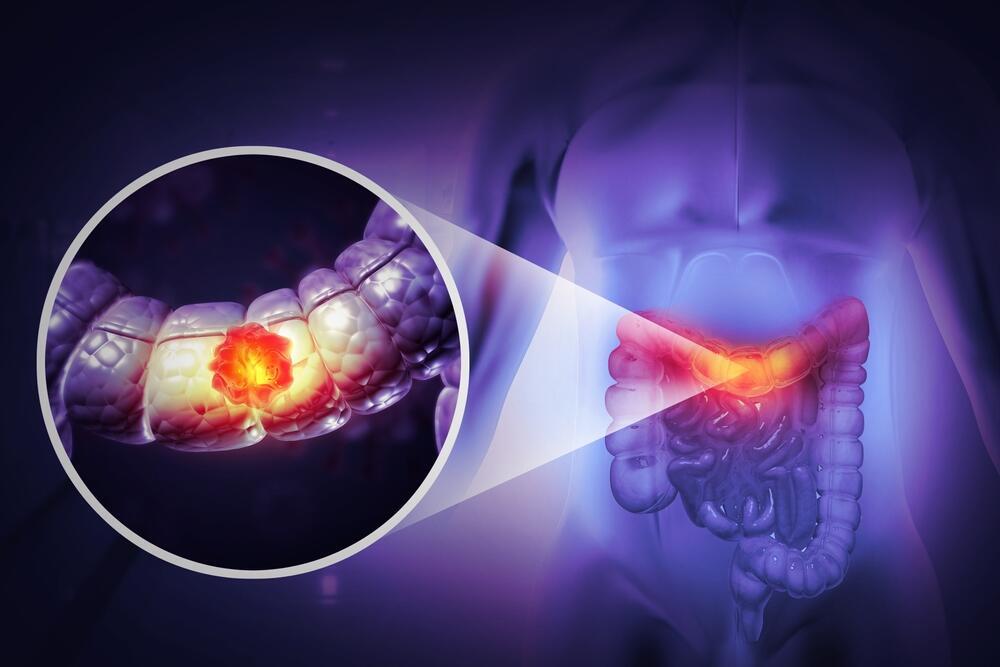
Colorectal cancer can be detected early and prevented
(Photo: Shutterstock)
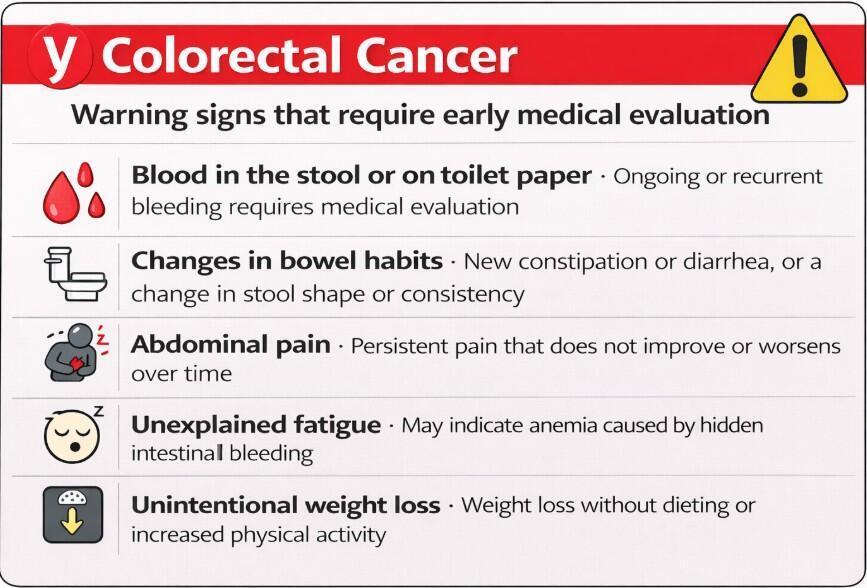
“Colorectal cancer is one of the few cancers that can be prevented or detected early, yet many people still do not get screened,” Goldman said. “Screening tests such as colonoscopy and fecal occult blood tests are available, but many avoid them due to discomfort, denial or lack of awareness, and only see a doctor when symptoms like bleeding appear. Early detection saves lives.”
Not only does the drinking amount matter
One more complex finding was that moderate average lifetime alcohol intake (from seven to less than 14 drinks per week) was associated with lower colorectal cancer risk, specifically distal colon cancer. The researchers emphasized that this was an observational finding and may be influenced by other factors such as lifestyle, diet or early screening.
Among participants who underwent screening during the trial, the link between moderate drinking and lower cancer risk was more pronounced. This suggests that early screening, during which polyps are detected and removed, may influence cancer risk and potentially interact with lifestyle changes to reduce overall risk.
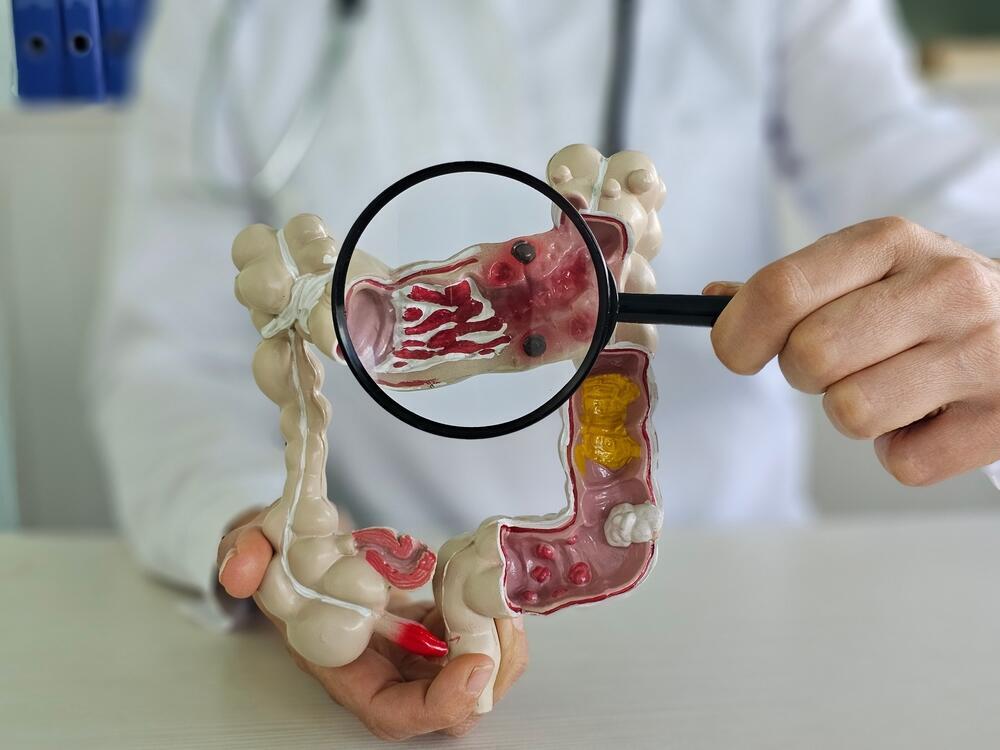
Colorectal cancer: early detection saves lives
(Photo: Shutterstock)
The study also examined the link between alcohol and adenomas, benign polyps that can develop into cancer, highlighting that drinking cessation may lower nonadvanced adenoma risk, whereas heavy drinking may increase adenoma risk
In the U.S., colorectal cancer screening is recommended starting at age 45 through annual stool tests, CT scans every five years or colonoscopy every 10 years. In Israel, average-at-risk individuals are advised to begin screening at age 50, usually with a fecal occult blood test, with colonoscopy as follow-up. In recent years, Israeli health officials have also considered lowering the recommended starting age to 45 in response to rising rates of the disease among younger adults.
Experts say people with a history of long-term heavy drinking, especially those who develop symptoms such as bleeding or persistent changes in bowel habits, should consider screening at a younger age.
“Studies show that a healthy lifestyle, including a balanced diet, avoiding smoking and alcohol, and regular physical activity, reduces cancer risk,” said Mr. Moshe Bar-Haim, Director General of the Israel Cancer Association.
 Moshe Bar-HaimPhoto: Israel Cancer Association
 “At the same time, early detection of colorectal cancer can significantly reduce mortality and even prevent the disease. We urge women and men over 50 to undergo annual fecal occult blood tests and to inform their doctors of any family history.”