

Although flu activity in Israel is still low, experts believe it’s only a matter of time before infection rates climb. In the meantime, other viruses such as RSV and COVID-19 are spreading.
“Flu is not just a runny nose or a mild cold,” says Dr. David Shasha, head of infectious diseases at Meuhedet Health Services. “It’s a serious illness, even for healthy people.” Flu symptoms include high fever, fatigue and muscle pain, often keeping people in bed for days. “This is exactly the time to protect yourself and get vaccinated,” Dr. Shasha adds.
Gallery
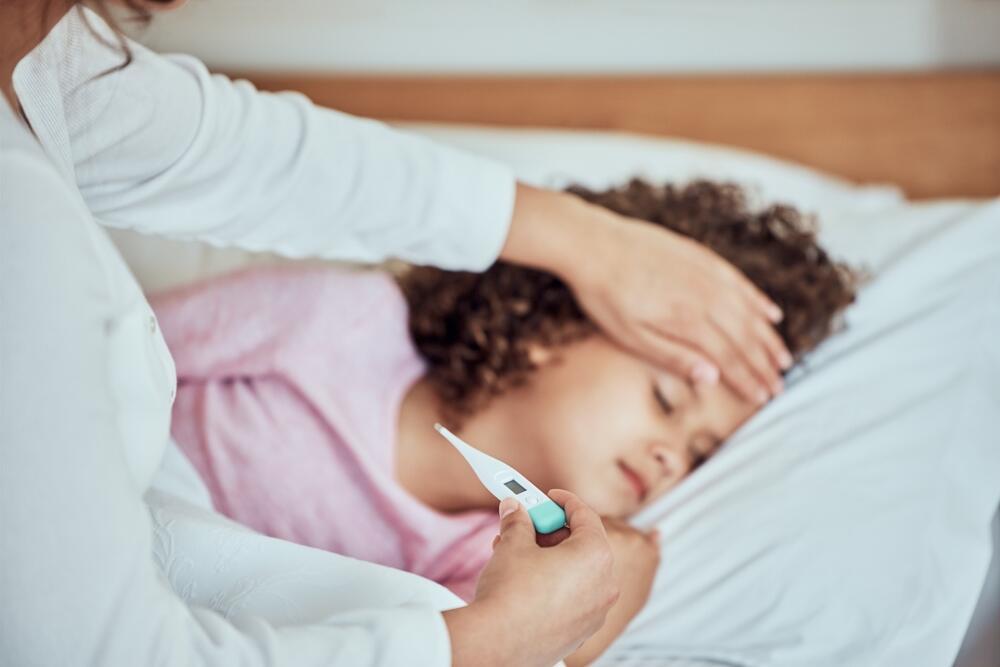
Severe flu cases among children in Australia surprised experts. Illustration
(Phot: Shutterstock)
Data from the southern hemisphere, including Australia, South Africa and South America, often indicate what the northern hemisphere can expect. This year, those regions saw an earlier and tougher flu season, suggesting Israel could face a similar wave. Still, Dr. Shasha cautiones that forecasts vary: “It changes every year and can surprise us.” Last winter, Israel’s flu season was considered severe, partly due to low vaccination rates.
Dr. Miki Sorotzky , an Israeli pediatrician working in an Australian children’s emergency department, told the ynet studio Tuesday morning that this year’s flu took even specialists by surprise — especially in children. “The flu was as severe as usual but with many more complicated cases requiring hospitalization, including critical conditions and deaths,” Says Dr. Sorotzky , who is completing a fellowship in pediatric emergency medicine. “We weren’t prepared for so many healthy children suddenly developing complications. We hospitalized even healthy kids as a precaution because otherwise we risked losing them.”
 Dr. Miki SorotzkyPhoto: Private album
He urges parents to vaccinate their children. “Many think flu is just a simple virus like a cold, but that’s not true,” he says. “Vaccines are a gift that can prevent disease. No parent should gamble on whether their child will get through the flu safely.”
According to the Health Ministry’s early October report, respiratory illness rates in community clinics remain low, possibly due to reduced activity during the holidays. “Some cases might have been mild and went unreported,” says Dr. Shasha.
Dr. Bat-Sheva Gottesman, an infectious disease specialist at Clalit Health Services, notes that other viruses are circulating as well. “In addition to flu, we’re seeing COVID-19, RSV and other respiratory viruses,” she says. Experts warn that the flu season is just beginning. “We’re still far from the peak, which usually comes around January,” says Dr. Gottesman. “It’s important to get vaccinated, especially for high-risk groups, and also to protect those around them.”

Flue
(Photo: Shutterstock)
Data from the southern hemisphere show that flu vaccines were about 50% effective this year in preventing illness and hospitalization. “It’s not perfect, but cutting hospitalizations by half is significant,” says Dr. Shasha. The same vaccine composition is being used in Israel this season, so similar protection is expected. Only a small share of children have received the flu vaccine so far.
“Parents don’t see their children as at risk, but they are,” Says Dr. Shasha. “Flu can be very serious, even fatal, in children under five. Kids also spread the virus to adults.”
 Dr. David ShashaPhoto: Inbal Marmari
He supports expanding use of FluMist, a nasal spray vaccine that could allow parents to vaccinate their children at home if approved in Israel.
Meanwhile, the National Center for Disease Control reports a rise in RSV and COVID-19 cases among hospitalized patients. Between October 5 and 11, hospitals reported 22 new RSV cases and 70 COVID-19 cases. “In recent weeks, I’ve seen dozens of infants with severe breathing problems from RSV,” says Dr. Daniel Lubin, a neonatology and pediatric specialist at Maccabi Health Services. “This year it started earlier and spreads among babies like wildfire. It’s a difficult illness for both infants and parents.”
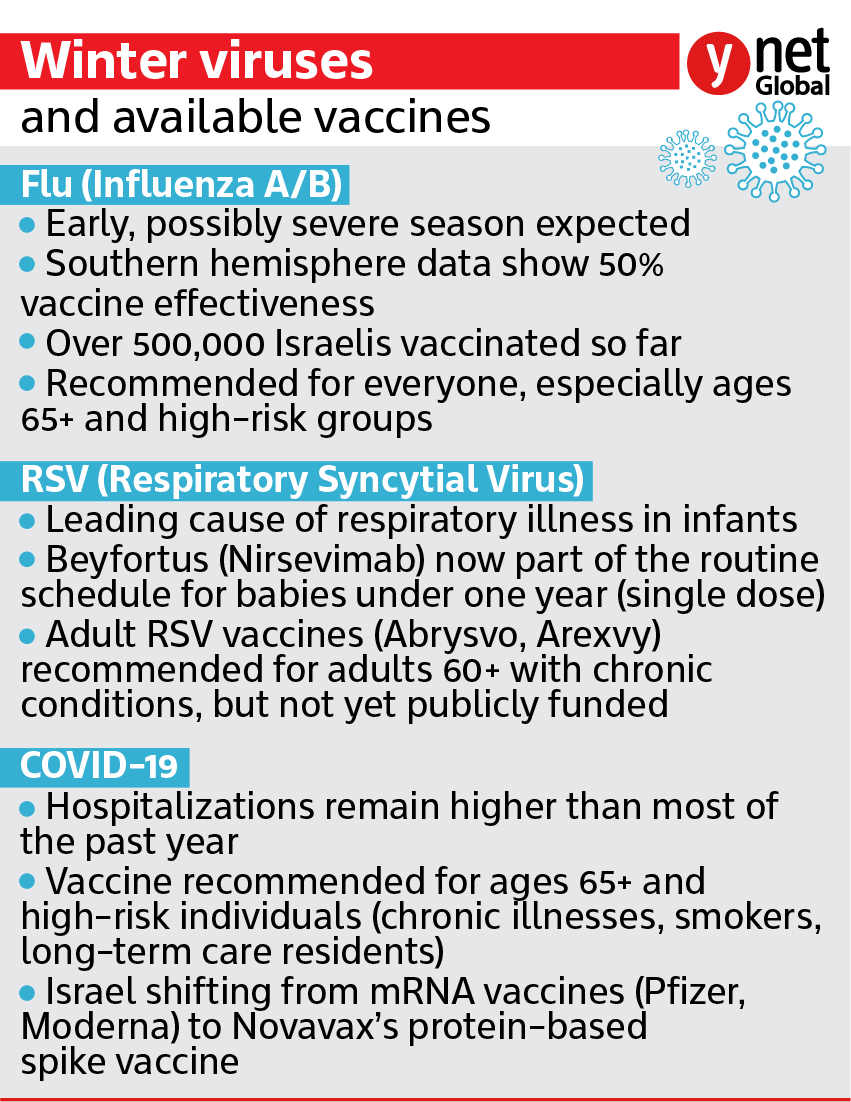
Winter Viruses
(ynet Global)
RSV is now the main cause of respiratory disease in infants and the leading reason for hospitalization in the first year of life. Two months ago, the new antibody shot Beyfortus (Nirsevimab) was added to Israel’s national immunization program. It is given as a single dose to all babies under one year old and reduces hospitalizations by an average of 83%. Still, Dr. Lubin says uptake is low. “Many parents refuse it without understanding what it is,” he says. “It’s not a live vaccine but a preventive antibody — and it saves lives.”
Some babies receive the shot in the hospital, others at community clinics in late summer or early fall. “Too few are being vaccinated, and winter has already begun,” says Dr. Lubin. “The Health Ministry needs to launch a stronger vaccination campaign and expand clinic access.”
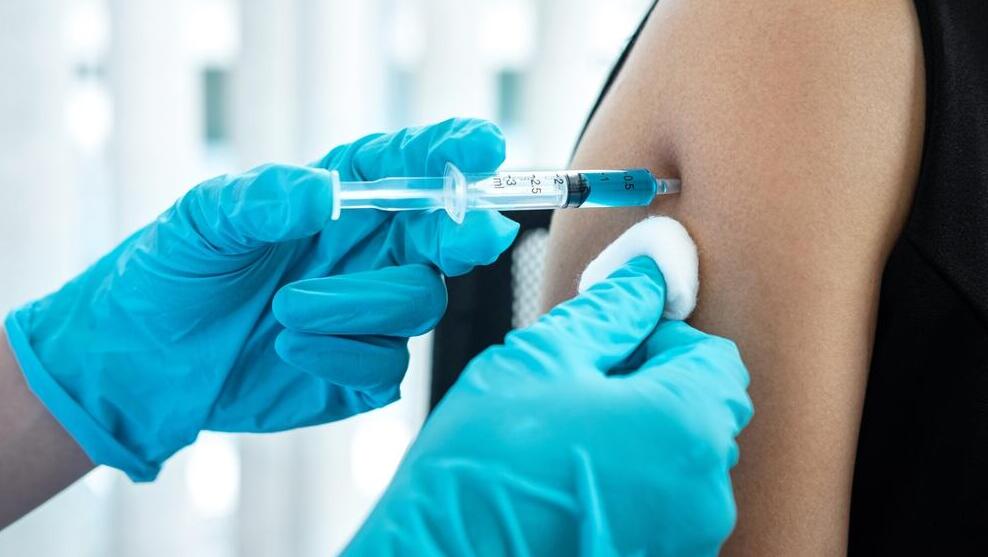
Flu vaccine
(Photo: Shutterstock)
“Last winter, hospital corridors were full of infants struggling to breathe,” he recalled. “We don’t want to see that again. The illness is spreading, ERs are filling up, and we need to act now.”
RSV vaccines for adults (Abrysvo, Arexvy) are recommended for people over 60 with chronic conditions but are not yet included in Israel’s public health coverage. COVID-19 vaccines are recommended for adults 65 and older, and for high-risk individuals aged six months to 64, including those with chronic diseases, smokers and residents of care facilities. Israel is also transitioning from mRNA vaccines by Pfizer and Moderna to Novavax’s protein-based spike vaccine.