

Nearly all of us are used to swallowing pills — vitamins, iron, dietary supplements or medications. The method has existed for more than 180 years and has changed little. But in recent years, scientific advances have introduced new technologies aimed at solving a simple problem: not just what we take, but how effectively the body absorbs it.
The central idea is that a significant portion of an active ingredient breaks down in the stomach or is only partially absorbed. In response, researchers have developed “delivery systems” designed to protect vitamins or drugs and transport them more efficiently through the body — like a courier ensuring a package reaches its destination instead of getting lost along the way. A wider range of formats has emerged, including liquids, soft gel capsules, powders and even sprays. The focus is no longer just on appearance or form, but on the method of delivery — how the substance is engineered, which carrier system is used and what actually happens after it is swallowed.
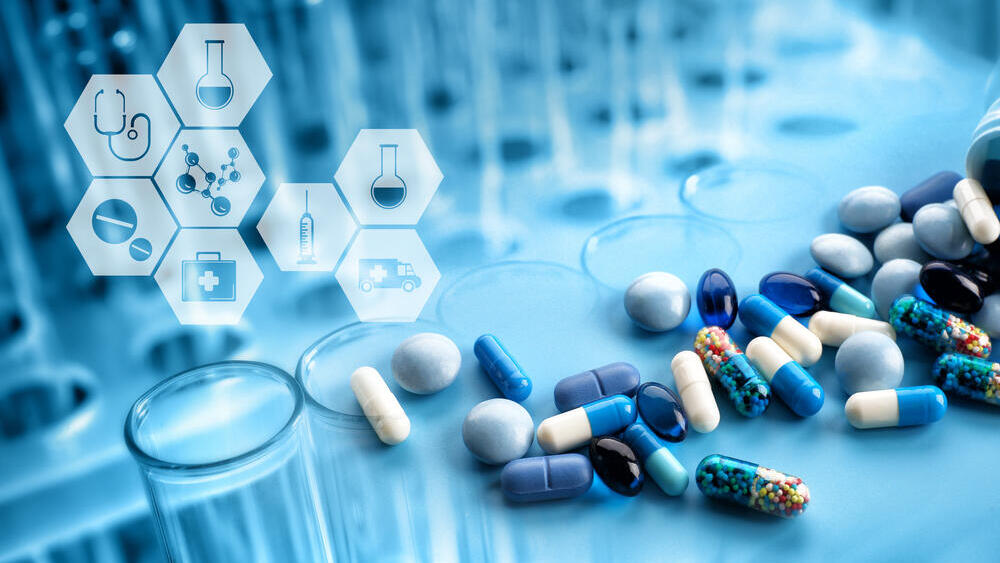
While almost any substance can be delivered as a liquid, capsule, powder or spray, the real question is effectiveness: How much of it is actually absorbed, and how much reaches its intended target?
Probiotics, for example, are usually sold in dry capsules because live bacteria survive better that way over time. They can be offered in liquid form, but typically with lower efficiency. Advanced delivery systems can also appear in various formats, but not every format produces the same results. A liquid syrup, for instance, can be highly effective, but if it is dried into powder for certain supplements, its efficiency may decline. Instead of asking simply, “Capsule or liquid?” consumers may want to ask: How was the supplement prepared, which technology was used and what gives the body the best chance to benefit?
One prominent technology is liposomes — tiny fat-like bubbles that envelop the active ingredient. Their structure resembles the membranes of human cells, allowing the body to accept them more naturally. The result is less breakdown in the stomach and improved absorption in the digestive system. Without the liposome, much of the vitamin may never reach the bloodstream. Liposomal products are typically offered as liquids or soft gel capsules.

(Photo: Shutterstock)
Another approach is nanoemulsions, in which the active ingredient is broken down into extremely small droplets within a liquid — similar to milk, which is water containing tiny fat droplets. The smaller the droplets, the greater the surface area for absorption and the easier it is for the digestive system to process them. Instead of one large mass, the body encounters thousands of microscopic droplets it can absorb more efficiently. This method is also delivered in liquid or soft gel form.
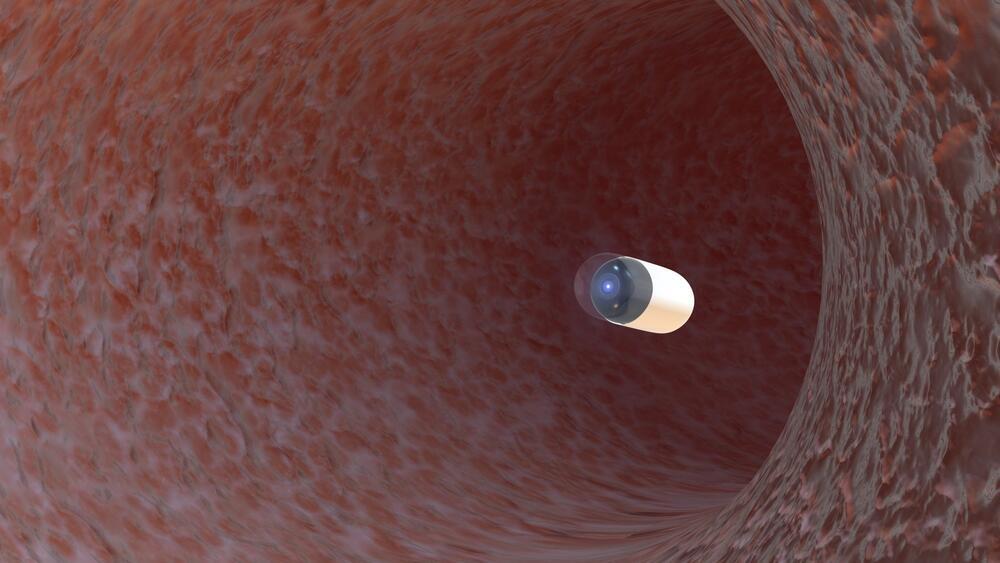
Phytosomes are another technology, used primarily for plant extracts. In this system, the plant compound is bound to a natural fat, creating a structure that crosses the intestinal wall more effectively. This can increase the bioavailability of plant extracts that are typically absorbed slowly or poorly. These products are usually offered in powder or capsule form.
(Photo: Shutterstock)
Finally, cyclodextrins function as a kind of “smart carrier.” They can be described as molecules with a small internal cavity that holds the active ingredient. The outer surface dissolves in water while the inner portion binds to fats, allowing substances that do not mix well with water to be delivered more effectively. This mechanism also protects the ingredient from premature breakdown, improves stability and may reduce unpleasant taste. These, too, are typically available in powder or capsule form.
The bottom line is simple: the pill has not disappeared and remains the most common way to take medications and supplements. But alongside it, technologies are emerging that aim to make what we take work better. The goal is to improve how substances reach and function in the body. For consumers, that means more products in the coming years will rely not only on swallowing, but on smarter engineering of absorption.
The author is vice president of research and development at the biotech company Sequoia.