

1. Sun damage is only caused by sunburn
The notion that sunburn is the only sign of skin damage is dangerously misleading. Redness and burning are merely surface symptoms of ultraviolet (UV) radiation’s harm, caused by inflamed blood vessels reacting to damaged skin cells.
Even without visible signs, UV rays penetrate deeply, breaking down collagen and elastin, accelerating wrinkles, pigmentation changes and premature aging. More critically, cumulative damage can lead to skin cancer. Protecting skin during every exposure, even without burns, is essential.

2. Mosquitoes are drawn to light
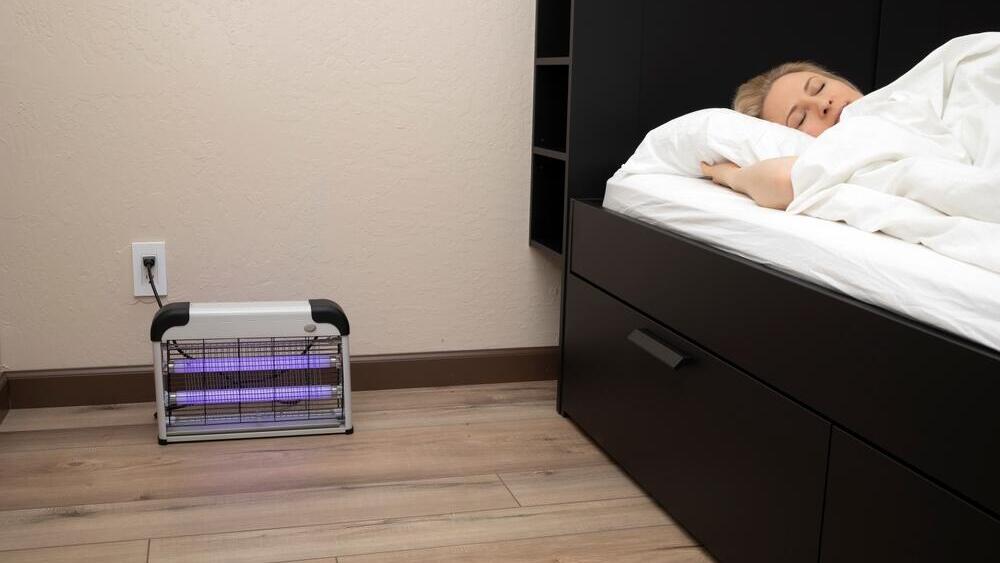
Contrary to childhood beliefs, mosquitoes aren’t drawn to light. They locate hosts through biological cues like carbon dioxide from breath, body heat and odors such as sweat.
Light attracts other insects, like moths and flies, but typical purple or blue mosquito lamps mostly kill these, not mosquitoes. Advanced models use CO₂ or scent mimics to lure mosquitoes, but standard light traps are largely ineffective. For real protection, rely on repellents, nets or traps designed with biological lures.
(Photo: Shutterstock)
3. You can get a cold from air conditioners
Air conditioning doesn’t directly cause colds, though it creates conditions that may contribute. Cold, dry air from AC units can dehydrate nasal and throat linings, weakening the body’s defenses against viruses. Closed windows in air-conditioned spaces reduce ventilation, increasing infection risks. The cold itself isn’t the culprit, but the environment it fosters can be.

(Photo: Shutterstock)
4. Sunglasses protect the eyes from the sun
Not all sunglasses offer equal protection. Only those labeled “UV400” or “100% UV protection” block harmful rays. Dark lenses without UV filters can worsen exposure by dilating pupils, allowing more radiation to reach the cornea and retina. Always check for proper labeling beyond mere appearance.

(Photo: Shutterstock)
5. Watermelon has no nutritional value
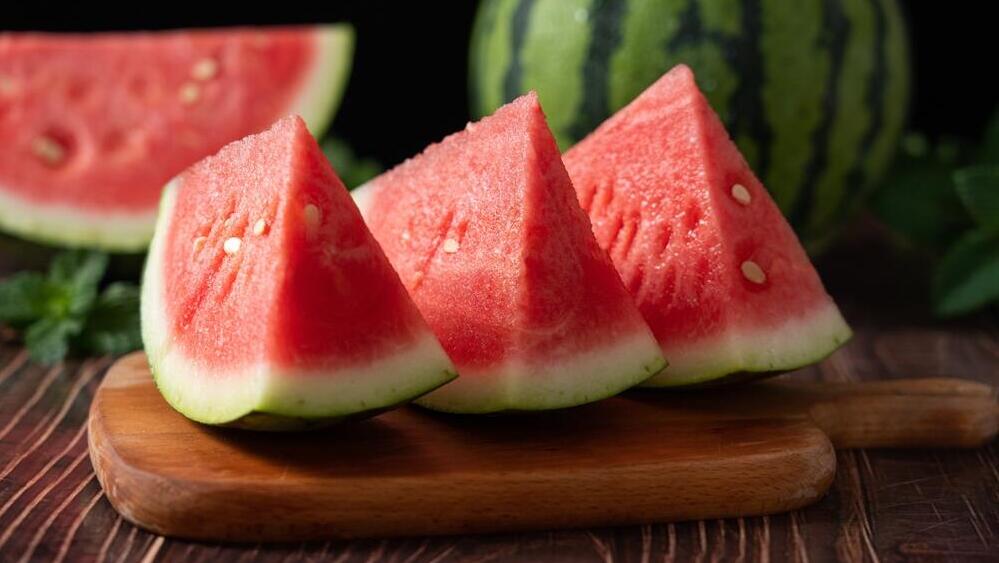
Watermelon, despite being 92% water, is far from nutritionally empty. Its remaining 8% is rich in lycopene, a powerful antioxidant that protects skin from sun damage and supports heart health.
Get the Ynetnews app on your smartphone: Google Play: https://bit.ly/4eJ37pE | Apple App Store: https://bit.ly/3ZL7iNv
It also provides vitamins A and C and potassium, boosting immunity. Its high water content aids hydration, making it a tasty, nutritious alternative to plain water, far more than just a summer filler.
(Photo: Shutterstock)
6. You don't have to apply sunscreen at home
Staying indoors doesn’t eliminate the need for sunscreen. UVA rays, which penetrate glass windows, can harm skin even in homes, cars or offices, causing cumulative damage. Applying sunscreen every morning, especially to exposed areas like the face and arms, is crucial regardless of outdoor plans.

(Photo: Shutterstock)
7. Ice cream can help cool you down
The cooling sensation from ice cream is fleeting. Its sugar and fat slow digestion and boost metabolism, potentially warming the body. For effective cooling, opt for cold water, chilled watermelon or water-based popsicles.

(Photo: Shutterstock)
8. SPF makeup is a good replacement for sunscreen
Makeup with SPF doesn’t replace sunscreen. Achieving the labeled protection, like SPF 30, requires applying far more product than looks natural. In practice, thin layers offer minimal protection, which fades with sweat, wiping or mask use.

(Photo: Shutterstock)
Dermatologists advise using a generous layer of dedicated sunscreen as a base, followed by makeup after absorption, to ensure both appearance and genuine sun protection.
- Dr. Yael Benvenisti is a researcher of healthy lifestyles and a gerontologist.