

Israel has earned an international reputation as one of the world's leading centers of biomedical research. Its universities and research institutes continue to generate important discoveries across cancer biology, immunology, neuroscience, genomics and precision medicine. Yet Israel, like many research-intensive countries, faces a fundamental challenge: how can more of these discoveries ultimately become medicines, successful biotechnology companies and long-term economic value while improving patients' lives?
Professor David Adler believes one opportunity lies not in changing how academic science is conducted, but in complementing scientific excellence with pharmaceutical development perspectives, structured decision-making frameworks and stronger, long-term collaboration between academia, biotechnology companies and the pharmaceutical industry.
Gallery

Israel has earned an international reputation as one of the world's leading centers of biomedical research
(Photo: shutterstock)
After nearly a decade in senior leadership within Bayer AG's Global Oncology Clinical Development organization, Professor Adler recently accepted academic appointments at Ben-Gurion University of the Negev and the Hebrew University of Jerusalem while continuing to serve as Chief Scientific & Medical Officer of the PATHORA Institute of Pathology & Tissue Medicine in Germany.
Based on his experience in pharmaceutical research and development, Professor Adler believes researchers can benefit from considering, much earlier in the research process, the questions that ultimately determine whether promising discoveries have a realistic path toward becoming medicines. Rather than focusing only on generating more experimental data, he advocates generating the right data by systematically reducing the key scientific, translational, clinical and commercial uncertainties that determine whether a discovery can ultimately become a successful therapy.
His approach encourages researchers to evaluate promising programs through multiple complementary perspectives, including biological rationale, translational evidence, clinical development strategy, regulatory readiness and commercial differentiation. The objective is not to replace scientific curiosity, but to complement it with practical development judgment that helps identify which discoveries are most likely to succeed and where additional evidence is needed before moving forward.
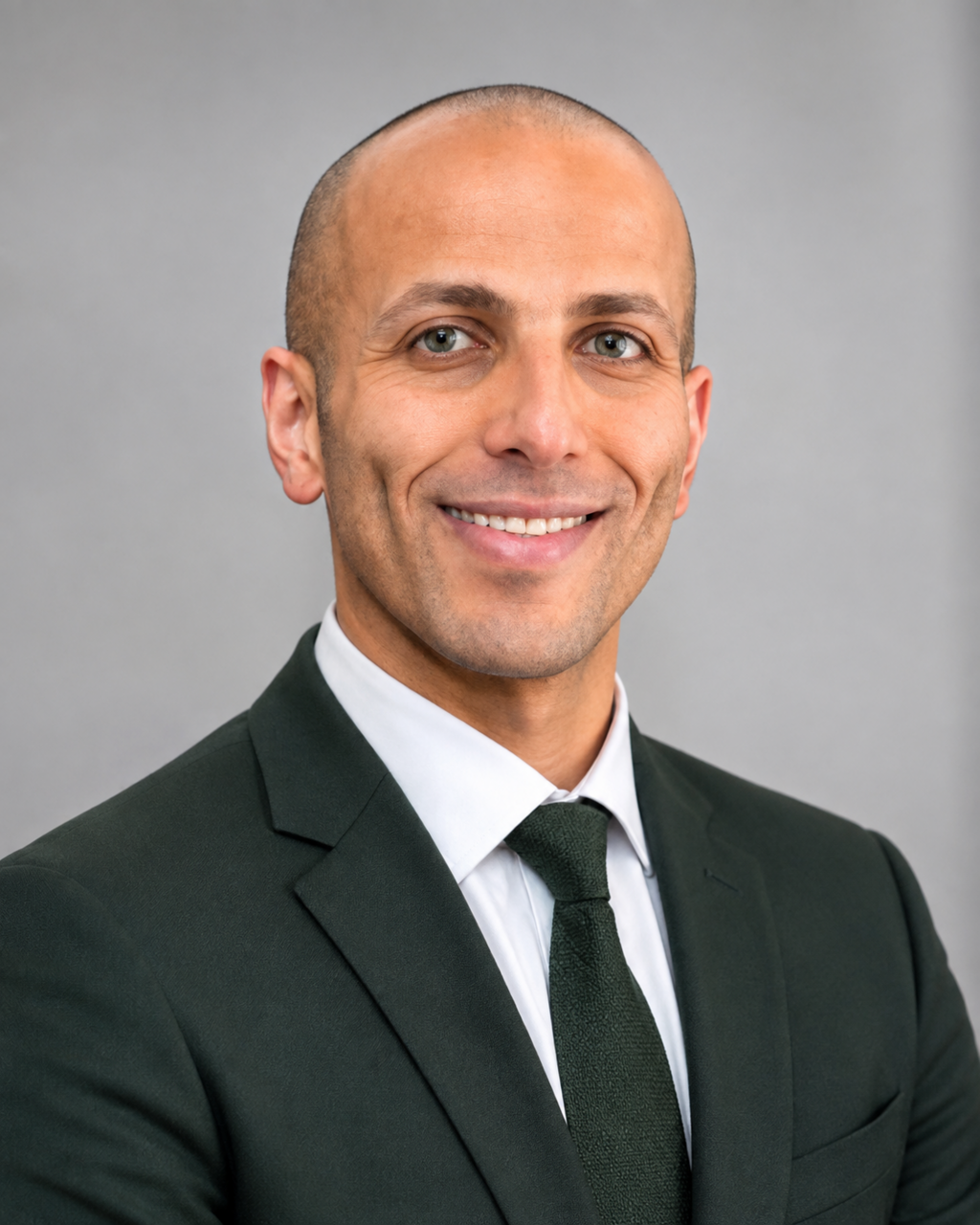
David Adler
(Photo: Courtesy)
To help advance this vision, Professor Adler has launched an initiative to strengthen collaboration between Israeli universities, biotechnology companies and the pharmaceutical industry. A central objective is to establish sustained relationships between academic researchers and experienced pharmaceutical leaders, creating opportunities for the exchange of ideas, practical experience and development perspectives throughout the research process rather than only at traditional points of technology transfer or licensing.
One component of the initiative is a new graduate course, Pharmaceutical Oncology R&D: From Bench to Bedside and Back, planned for launch in Spring 2027. Designed by Professor Adler, the course will bring senior executives from leading international biotechnology and pharmaceutical companies to deliver each session and engage directly with graduate students, physician-scientists, postdoctoral fellows and researchers. Beyond exposing participants to how innovative medicines are developed in practice, the course aims to create lasting professional relationships between academia and industry that continue well beyond the classroom.
For Professor Adler, however, the course represents only one element of a broader vision. The initiative seeks to introduce practical pharmaceutical development thinking into academic research while fostering closer collaboration between universities and industry. Its central philosophy is that every experiment should reduce a meaningful uncertainty, every program should be evaluated through an integrated translational strategy, and the goal is not to advance every promising idea, but to identify and advance those with the greatest potential to become differentiated medicines that benefit patients.
Although the initiative begins in Israel, Professor Adler believes the questions it raises are relevant to research universities around the world. As countries invest billions in biomedical research while seeking to build knowledge-based economies, scientific excellence alone is only part of the equation. Strengthening the interface between academia, biotechnology and the pharmaceutical industry may help accelerate the development of innovative medicines, create globally competitive biotechnology companies, attract international investment, generate high-value jobs and reinforce Israel's position as one of the world's leading biomedical innovation ecosystems.