


A new Israeli study suggests a potential breakthrough in treating West Nile virus, showing that antibody-rich plasma may improve recovery and reduce mortality in patients with severe disease.
The clinical trial, conducted at Sheba Medical Center during Israel’s 2024 outbreak and in collaboration with the U.S. National Institutes of Health, was published Tuesday in NEJM Evidence, part of the New England Journal of Medicine.
The study tested a novel approach using plasma collected from screened blood donors with high levels of neutralizing antibodies against the virus. Researchers sought to determine whether the treatment could alter the course of the disease and improve outcomes for hospitalized patients.
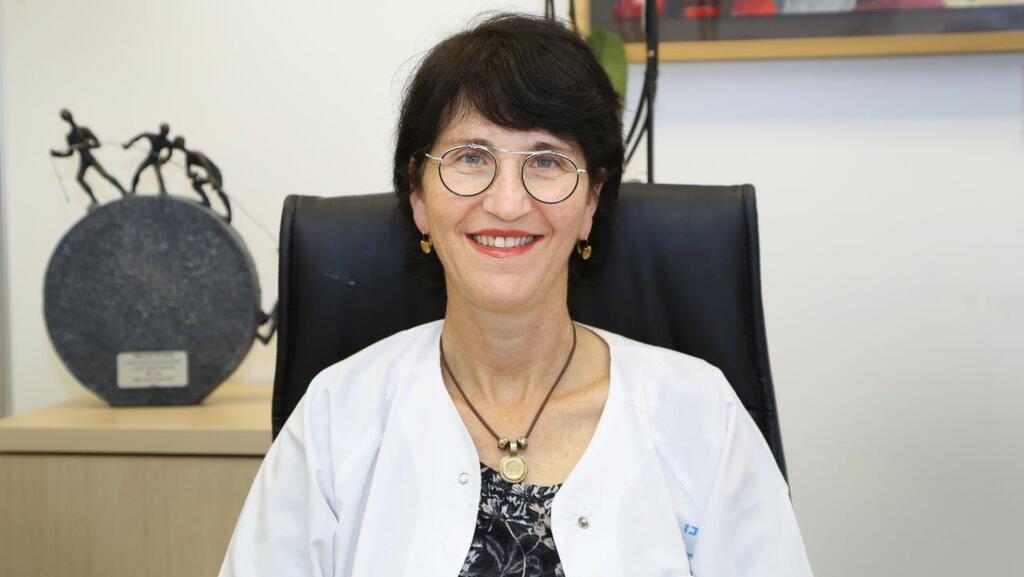
According to Prof. Gili Regev-Yochay, who led the study and heads the infection prevention and control unit at Sheba, the outbreak itself received little public attention.
“This happened in the summer of 2024, when the country was in the middle of a war,” she said. “But on the ground, we saw unusual numbers. In one hospital, we treated about five patients a day, compared to just three cases in an entire season in normal years. It was clear something unusual was happening.”
West Nile virus is transmitted to humans mainly through mosquito bites. While most cases are mild or asymptomatic, about 20% of patients develop flu-like symptoms such as fever, headache, weakness and muscle pain. In roughly 1% of cases, severe neurological disease can develop, particularly among older adults or those with weakened immune systems.
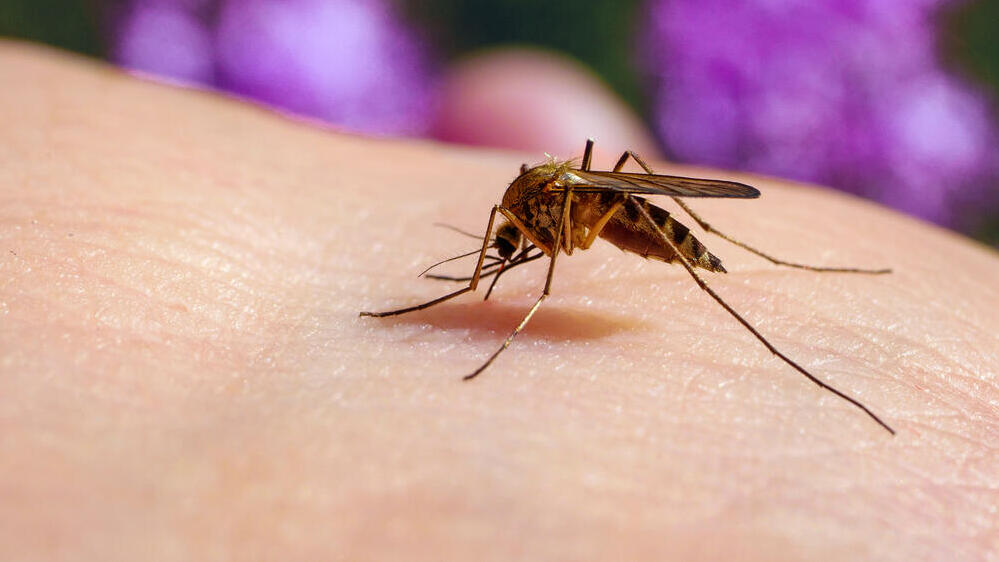
Mosquito bites are the primary way the West Nile virus is transmitted to humans
(Photo: Shutterstock)
“In severe cases, we see very rapid deterioration,” Regev-Yochay said. “People who were fully functional suddenly arrive with neurological damage: confusion, cognitive decline, inability to communicate, sometimes seizures. They deteriorate before our eyes.”
There is currently no specific treatment for the disease, only supportive care.
“That is exactly the problem,” she said. “There is no treatment beyond support and hope. Mortality rates in severe cases are not low, and even those who recover do not always return to their previous level of functioning.”
The randomized controlled trial included 34 patients with active infection, 91% of whom had severe neurological involvement. Patients were randomly assigned to receive either plasma containing neutralizing antibodies or standard plasma, with neither the patients nor the medical staff aware of which treatment was administered.
After 30 days, results showed consistent improvements among those receiving the antibody-rich plasma. Patients in the treatment group scored higher on cognitive assessments, with an average Mini-Mental score of 25 compared to 22 in the control group. They also showed better daily functioning, with higher scores on the Barthel Index.
(Photo: Shutterstock)
The most striking finding was in mortality: two deaths, about 9%, were recorded in the treatment group, compared with four deaths, about 33%, in the control group. Among patients who received plasma with particularly high levels of neutralizing antibodies, no deaths were reported.
Researchers also described individual cases that highlighted the treatment’s potential, including a severely ill patient transferred from Soroka Medical Center who ultimately recovered after receiving the therapy.
Looking ahead, the team is working to develop a targeted antibody for the virus that could be used not only for treatment but also for prevention.
“The goal is not only to treat but also to prevent,” Regev-Yochay said. “If successful, we could eventually provide a single injection to at-risk populations, such as people over 70, that would offer protection for several months during mosquito season.”
She cautioned that the research is still preliminary and larger studies are needed to confirm the findings and define the treatment’s role in clinical practice. However, given the lack of any specific therapy for West Nile virus, the results represent a potentially significant step forward.
If confirmed, neutralizing antibody plasma could become a key tool in managing future outbreaks, offering, for the first time, a targeted treatment for a disease that has so far relied mainly on supportive care.