

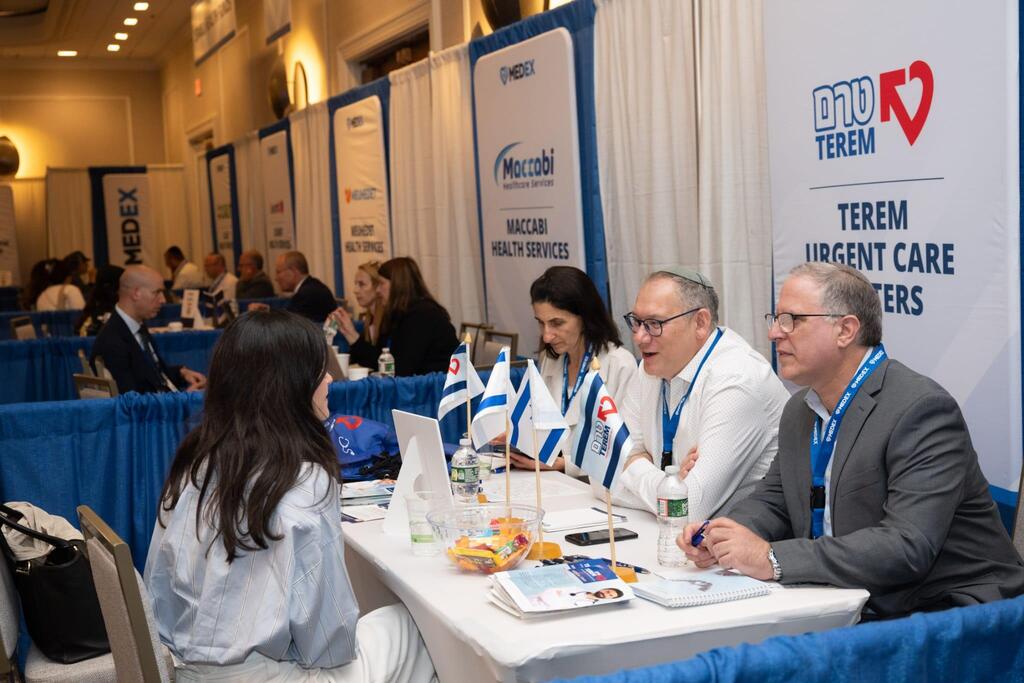
Hebrew and English mingled throughout the conference hall in New Jersey, where MedEx was held, hosted by Nefesh B’Nefesh in partnership with Israel’s Ministries of Aliyah and Integration; Health; Negev, Galilee, and National Resilience; and The Jewish Agency for Israel. Hundreds of physicians, nurses and other healthcare professionals moved between booths with representing hospitals, health funds and medical institutions from across Israel — from Ichilov and Soroka to Ziv and HaEmek.
Some waited to speak with Health Ministry representatives. Others sought information about potential jobs, professional licensing requirements or Hebrew-language studies.
Amid the MedEx signs, photographers and public officials attending the event, there was a sense of excitement that was difficult to miss. For many participants, this was not just another professional conference. It was one of the final stops on their journey to Israel.
Among those attending was Dr. Jessica Bod, an emergency medicine specialist, associate professor at Yale School of Medicine and physician at Yale New Haven Hospital. Within about a year, she expects to leave behind an established medical and academic career in the United States and move to Israel with her partner, their three children and a fourth child on the way.
For Bod, 41, the move is the fulfillment of a dream she has carried for more than two decades.
“I was supposed to come to Israel right after high school,” she said. “That was in 2002, during the Second Intifada. In the end, my parents wouldn’t let me go because of the security situation. Then I went to college, studied medicine and life moved on. But I always wondered what my life would have looked like if I had come to live in Israel.”
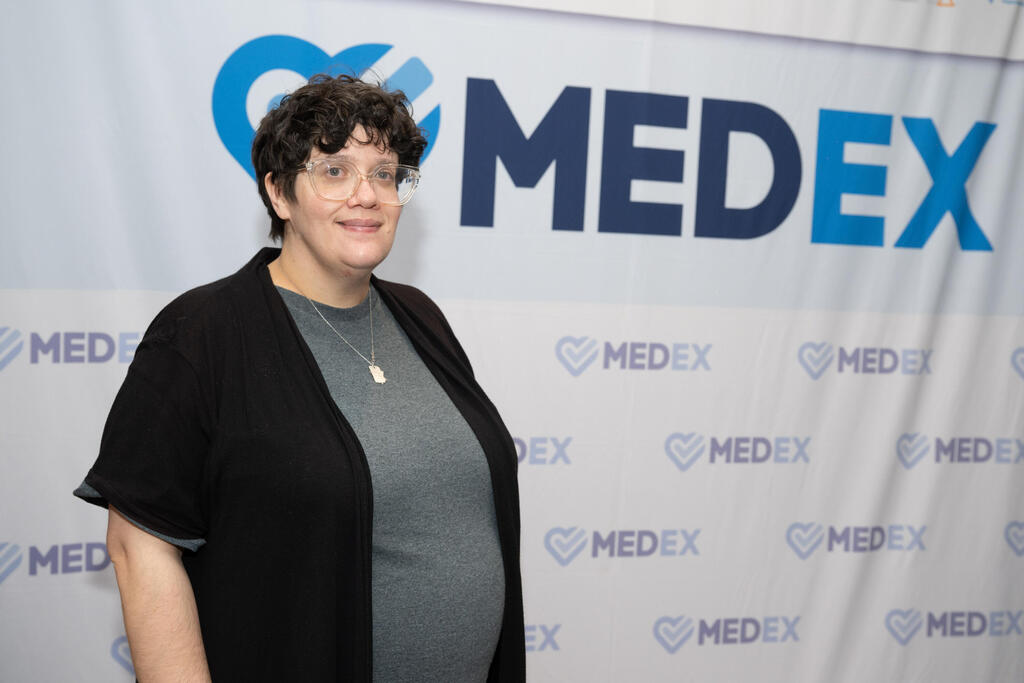
Dr. Jessica Bod
(Photo: Nir Arieli)
Now, as the mother of children ages 8, 5 and 2, with another child on the way, she feels the time has come to make that dream a reality. “I want my children to be Israeli. I want them to learn Hebrew,” she said. “I love my colleagues and my community, but I think in Israel I can do more — work that has much greater meaning. I’m 41, and it’s a great time not to let your dreams slip away.”
Her love for Israel is also rooted in the Hebrew language. “I love Hebrew, the Bible, Jewish history, grammar — everything,” she said. “For me, wherever I hear Hebrew, it’s like a prayer. I love the evolution of the language, the way new words are created and the origins of words.”
At home, she said, her children are already growing up on Israeli music. “My favorite artist is Raviv Plotnik, and my son loves Kaveret and ‘Shir HaMakolet,’” she said.
Bod does not hide the fact that the atmosphere in the United States influenced her decision. In recent years, she said, she has become increasingly uncomfortable with anti-Israel and anti-Zionist discourse in academic settings.
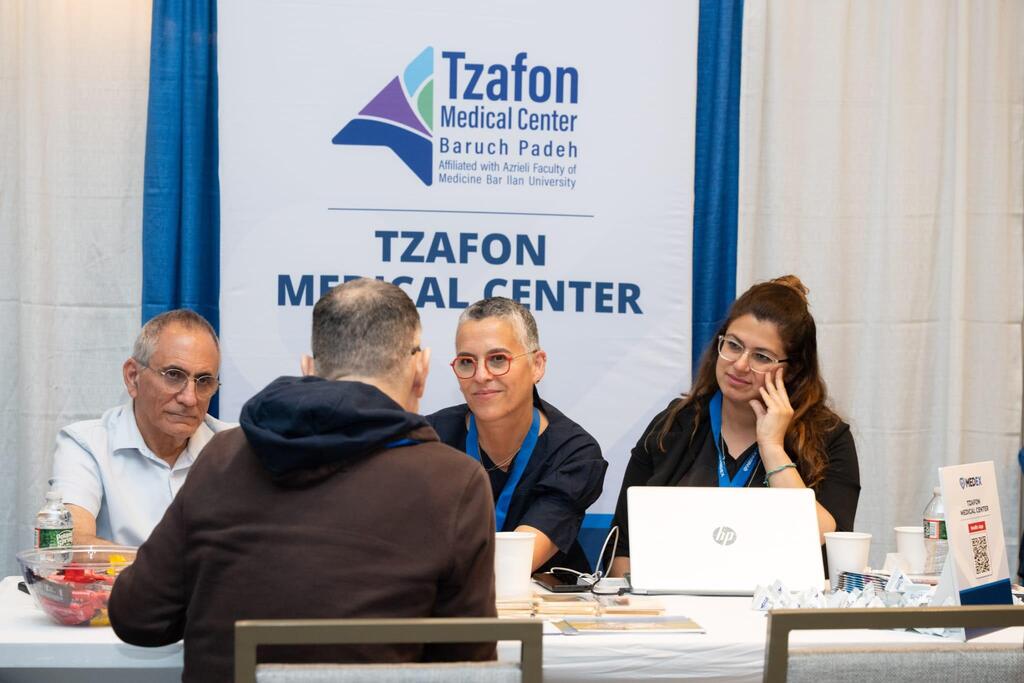
Medex New Jersey
(Photo: Nir Arieli)
One moment that particularly shook her came in July 2025, when she encountered a protest by medical staff outside the hospital where she works.
“They came up to me, and I told them I wasn’t interested in speaking with them and ran away,” she said. “It really scared me. I thought to myself: How would Jewish patients feel safe with doctors who, moments earlier, were outside holding anti-Israel signs?”
The experience reinforced a feeling she said had been building for years. “I’m more in the closet as a Zionist than I am as LGBTQ,” she said. “As a gay family, we live in a very accepting community, but around my Zionist identity I feel much more cautious. In Israel, we felt that we could simply be who we are.”
Alongside her desire to raise her children in Israel, Bod hopes to contribute to the country’s healthcare system. “I’m excited that my children will speak Hebrew, but also about the opportunity to give of myself at a time when Israel needs doctors,” she said.
Bod’s decision to leave an established academic and medical career in the United States is exactly the type of immigration the Ministry of Aliyah and Integration is seeking to encourage.
Speaking at the conference, Aliyah and Integration Minister Ofir Sofer said those who choose to immigrate to Israel today “are not only changing their personal lives. They are taking part in writing the next chapter in the story of the Jewish people and strengthening the future of the State of Israel.”
'In Israel, I can truly be myself'
If Bod represents a dream that has lasted more than two decades, Jonah Snapper represents a different generation altogether.
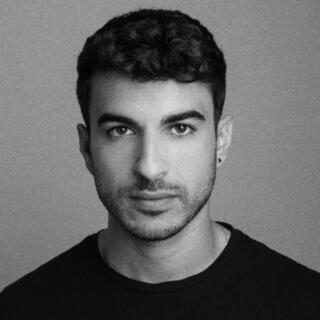
Snapper, 24, from New Hampshire, is about to complete his studies as a speech-language pathologist and plans to make aliyah in the coming months. He visited Israel for the first time only this year, on an LGBTQ+ Birthright trip.
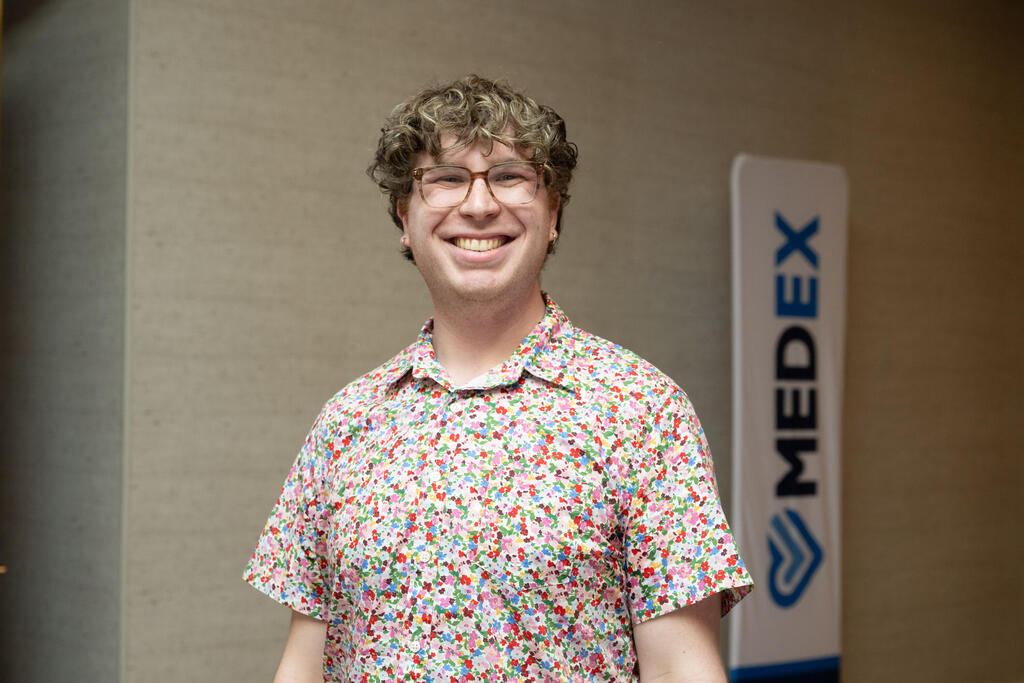
Jonah Snapper
(Photo: Nir Arieli)
The visit took place during the fighting with Iran. “We arrived in Tel Aviv, and in the last two days of the trip, the barrages began,” he said. “But I felt comfortable. I was with the friends I had met on the trip, and I felt safe.”
One moment in particular stayed with him. “When I arrived in Jerusalem for the first time, I cried. I really cried when I saw the sign at the entrance to the city,” he said.
Just five days after returning to the United States, he began the aliyah process. “Antisemitism is part of my decision, but it’s not the whole reason,” he said. “The first time I was in Israel, I felt safe and happy at the same time. The second time, I already understood what I was feeling. I felt that in Israel, I can truly be myself.”
In the United States, he said, he often feels he has to hide different parts of his identity. “In New York, I hide my Jewish identity. In New Hampshire, I hide my LGBTQ identity,” he said. “And in Israel, I feel I don’t have to hide any of my identities and can finally be who I am.”
During the trip, he was also struck by the visibility of the LGBTQ community. “We saw Pride flags everywhere, even in December. Not only during Pride Month,” he said. “It just made me feel better and safer.”
Snapper, who is completing his studies and is set to receive his speech-language pathology license, hopes eventually to work in hospitals or clinics. He came to MedEx to learn about the professional options available to him. He also plans to study Hebrew intensively in an ulpan, an immersive Hebrew-language program. His family, he said, fully supports his decision.
One new feature at this year’s conference was the option to take the YAEL Hebrew proficiency exam at the event itself. Thirty-seven physicians took advantage of the opportunity, which was intended to help them assess their Hebrew level before immigrating.
Dr. Joel Rapp, CEO of the National Institute for Testing and Evaluation, said the exam can help physicians better prepare for integration into Israel’s healthcare system.
“I want to find a community, continue discovering myself and integrate into Israel as quickly as possible,” Snapper said. “I have family in Haifa, so I also have a support base to start from. I’m really ready for this.”
‘Mom, you’re going to make aliyah’
For Dr. Jennifer Fenster, a 53-year-old pediatrician from the Bronx, aliyah has been a process for years in the making.
She first visited Israel in 1985 and has returned repeatedly since then. Over the years, her children also got to know the country. One memory that stayed with her came during a family visit to Jerusalem in 2017.
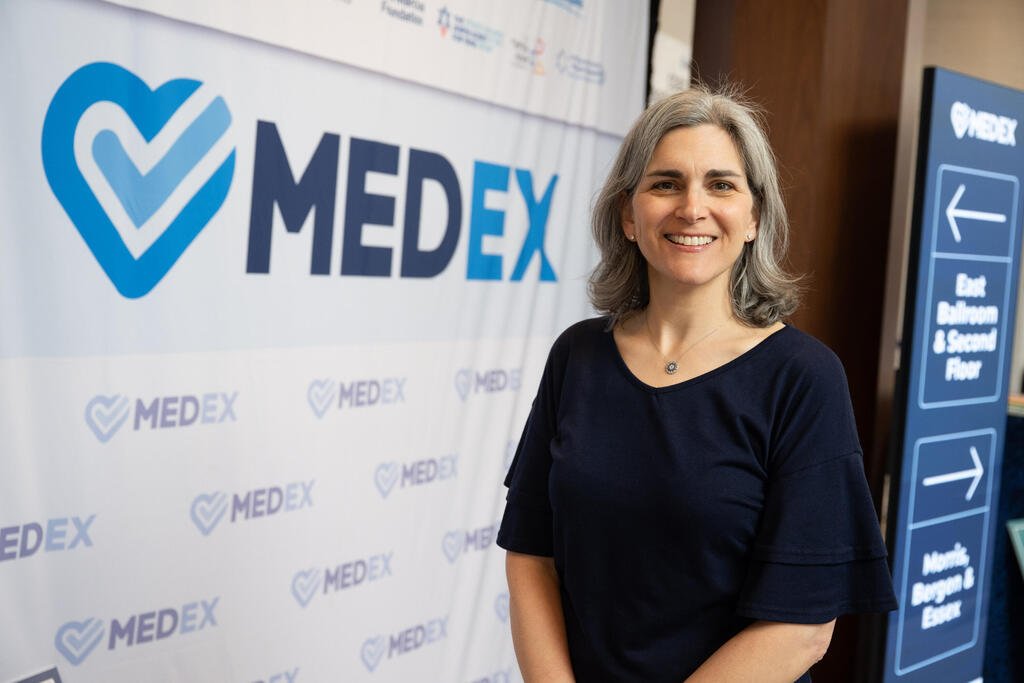
Dr. Jennifer Fenster
(Photo: Nir Arieli)
“We were walking through the city, and one of my children looked at me and said, ‘Mom, you’re going to make aliyah,’” she recalled.
At the time, the idea still seemed distant. But several years ago, while visiting Israel to see one of her sons, who was studying at a yeshiva in the country, she met Rafi, who later became her husband. Rafi immigrated to Israel 33 years ago, and for him, life in Israel was never up for negotiation.
For a long period, the two maintained a relationship across oceans. Even now, after they have married, he lives in Israel and she lives in New York.
Now that her youngest son has finished high school, she feels the time has come to make the move herself. “We’re going to live in Jerusalem,” she said. “And I feel really ready for this transition.”
Fenster stressed that antisemitism is not the reason she decided to move to Israel, though she acknowledged that it is part of the backdrop. “It’s not the reason I’m moving to Israel, but it is something I’ll have to worry about less,” she said.
Beyond that, she described a deeper connection to the country. “I feel a spiritual connection to Israel,” she said.
Fenster came to MedEx to explore employment options ahead of the move, and she already knows one thing for certain: She wants to continue practicing pediatrics in Israel. First, she plans to study Hebrew in an ulpan and strengthen her language skills.
Fenster brings not only decades of medical experience but also an educational background. Alongside her work as a pediatrician, she previously taught high school, and she sees a direct link between the two fields. “I always loved working with children,” she said. “Both as a pediatrician and as a teacher.”
Asked what she is most looking forward to, her answer came immediately. “Just waking up in the morning and knowing I’m there. Breathing the air. Contributing to Israeli society.”
From firefighter to physician assistant
Andy Piper, 39, of Reno, Nevada, brings a different story. Until Oct. 7, he had not considered aliyah.
Piper, a physician assistant specializing in geriatrics and general surgery, previously served for 12 years as a firefighter and also worked as an EMT and paramedic. He made his first visit to Israel only after Oct. 7. “As soon as I arrived, I felt I was home,” he said.
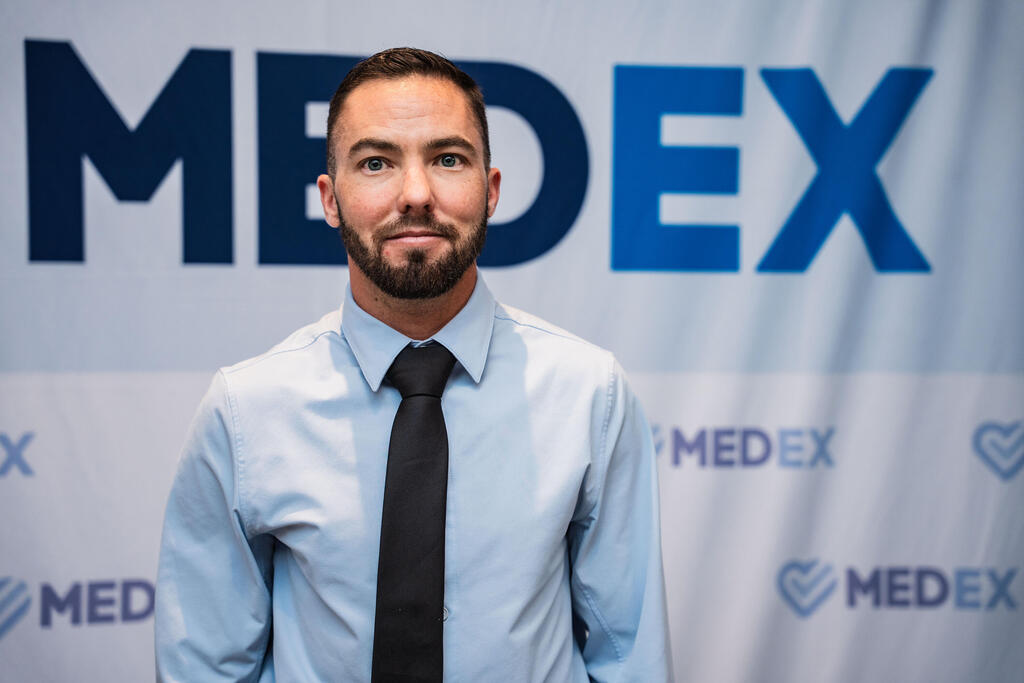
Andy Piper
(Photo: Nir Arieli)
Since then, he has returned to Israel twice, volunteered through Sar-El, received aliyah approval and is set to board his aliyah flight in July. In Israel, he is expected to live in Tel Aviv and work for emergency care organization Terem.
He said the atmosphere in the United States after the war strengthened his feeling that he wanted to live in Israel. “It’s funny,” he said. “I went to visit Israel after Oct. 7 and felt safer than I did in the United States.”
At one point, he revealed a large tattoo on his arm: a map of Israel alongside the words “Never again” and the full lyrics of “Hatikvah,” Israel’s national anthem. “I’ve never hidden my Jewish identity,” he said. “But sometimes I feel that’s what people would want me to do.”
Piper, who grew up in a Zionist Jewish home, said one of the things that excites him most about the move is simply living in a Jewish state. “When I think about being Jewish in a place where almost everyone is Jewish, it excites me,” he said. “And I’m also looking forward to being able to find kosher food so easily.”
Beyond his desire to live in Israel, he also hopes to bring professional knowledge to a field still in its early stages in the country. He currently works as a physician assistant in general surgery, and in Israel he is expected to enter a profession that was formally regulated and recognized only in recent years. “I’m going to work in a field that is relatively new in Israel,” he said. “It’s important to me to help develop it and show how much it can contribute to the healthcare system.”
He said the opportunity to practice the professions he has worked in for years — medicine, emergency care and lifesaving — in Israel gives the work special meaning. “Working in these professions in Israel feels much more meaningful to me,” he said. “This is the place where I want to contribute.”
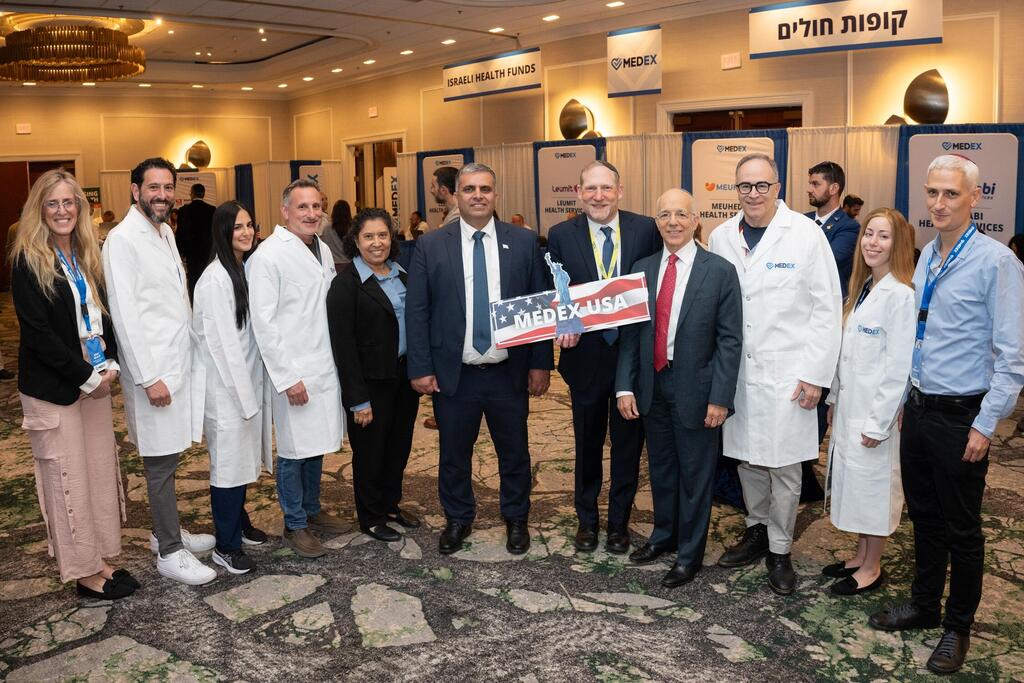
Dr. Efrat Aflalo, Ministry of Aliyah and Integration Director-General Deganit Sankar-Lange, Aliyah and Integration Minister Ofir Sofer, Nefesh B'Nefesh co-founder and Executive Director Yehoshua Fass, Nefesh B’Nefesh Chairman and co-founder Tony Gelbart and Health Ministry Deputy Director General Dr. Sefi Mendelovich
(Photo: Nir Arieli)
Dr. Sefi Mendelovich, deputy director general of the Health Ministry, said physician assistants are medical professionals who work alongside doctors and carry out some medical duties under supervision.
“It is a very well-known and respected profession in the United States, an integral part of daily work in hospitals and the community,” he said. “Today, we are integrating professionals in Israel who were trained in the United States, while also establishing Israeli training tracks. As the years pass, this profession will become very central to Israel’s healthcare system.”
More than 1,000 doctors in two years
The personal stories of the four interviewees are part of a broader trend. About 350 doctors and healthcare professionals attended MedEx New Jersey this year. During the event, more than 130 applications were filed with the Health Ministry to convert professional licenses, including more than 60 from physicians.
About half the participants were doctors, alongside psychologists, nurses, dentists, speech-language pathologists, occupational therapists and other professionals.
MedEx is part of the International Medical Aliyah Program (IMAP), an initiative launched in 2024 with the goal of bringing 2,000 doctors to Israel by 2029. The program aims to strengthen the country’s healthcare system, particularly in Israel’s North and South, bolstered by the Marcus Foundation, the Gottesman Fund, Jewish Federations of North America, the Azrieli Foundation, and the Arison Foundation.
Since the international program was launched in 2024, more than 1,100 Jewish physicians from around the world have immigrated to Israel. MedEx events have also been held in France, Britain, Canada, Australia, Argentina and Los Angeles.
The event’s figures also point to a change in the profile of immigrants: About 40% of participants were ages 25 to 44, and the median age was just 38.
Zev Gershinsky, Executive VP of Nefesh B’Nefesh, said many doctors need practical support beyond the decision to immigrate. “We realized that doctors coming to Israel need help dealing with bureaucracy, licensing and employment, so we built a support system that allows them to move toward aliyah with confidence,” he said. “But in the end, it all begins with their desire to come to Israel specifically now.”
He said MedEx registration numbers rise each year, and the scale continues to surprise organizers. “Thanks to cooperation among organizations and government ministries, a real solution has been created here, both for the doctors and for the State of Israel,” he said.
“Most participants who come to this conference will eventually immigrate to Israel. We want the decision to be theirs, at the right time for them, but no less important, we want them not only to immigrate but also to stay and build their lives here.”
Tony Gelbart, Chairman and Co-founder of Nefesh B’Nefesh, said this year’s numbers reflect not only growing demand for aliyah but also increasing trust among Jewish physicians in the Diaspora in Israel’s healthcare system and in their ability to integrate, influence and help lead it forward.
Some of the doctors and healthcare professionals who move to Israel are expected to work in the periphery, where the shortage of medical personnel is felt even more acutely.
Negev, Galilee and National Resilience Minister Yitzhak Wasserlauf expressed at the conference that Israel needs “high-quality doctors” in the north and south now “more than ever.” He described the program as one that “connects Zionism to action” by strengthening hospitals and communities in the Negev, the Galilee and the Gaza border area.
For Israel’s healthcare system, the program represents a significant addition of skilled personnel. For the conference participants, it is something much larger: a decision to build their personal, family and professional future in Israel.
The Jewish Agency sees the phenomenon as an expression of the enduring power of aliyah. Jewish Agency Chairman Maj. Gen. (res.) Doron Almog described the arrival of doctors and healthcare professionals in Israel as “a beacon of hope, Zionism and mutual responsibility.”