

A child needing ear tube surgery — the insertion of a tiny tube into the ear to improve hearing — will wait only about a week for a slot at Tel Aviv Sourasky Medical Center. For the exact same procedure, with the same medical problem, the child will wait about four months (129 days) at Soroka Medical Center.
The figures come from new data published Tuesday for the first time by the Health Ministry, revealing waiting times for 19 types of elective surgeries at 28 public hospitals in 2024. The data expose extreme disparities between hospitals in nearly every type of surgery, as well as a major gap between health funds in waiting times for MRI scans.
Gallery
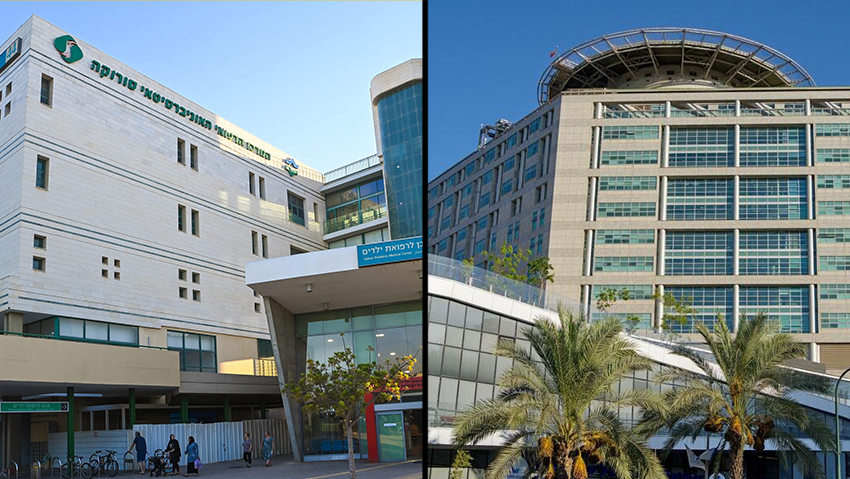
New data reveals waiting times for 19 types of elective surgeries at 28 public hospitals in 2024
(Photo: Teo K / Shutterstock.com, Haim Hornstein)
In tonsil removal surgery, another procedure especially common among children, the median waiting time at Ichilov is only one week, while at the Galilee Medical Center it is five months (154 days) for the exact same procedure. A long wait was also recorded at HaEmek Medical Center, where a child would wait 130 days.
Major gaps in eye surgeries
Large differences between hospitals were also found in eye surgeries. In 2024, about 32,500 such procedures were performed. The longest waiting times were recorded at hospitals in northern Israel, Haifa and the south.
At Carmel Medical Center in Haifa, the median waiting time was 202 days — meaning half of patients waited up to 202 days and half waited longer. This compares with a median wait of 22 days at Laniado Hospital in Netanya and just 27 days at Shamir Medical Center (Assaf Harofeh).
Shorter waits were recorded at Barzilai Medical Center.
High waiting times were also recorded at HaEmek Medical Center (128 days), Soroka (119 days), Northern Medical Center (117 days) and Yoseftal Hospital (110 days). At Wolfson Hospital (37 days), Ichilov (40), Hadassah Ein Kerem (41) and Rambam (43), waiting times were relatively low compared with hospitals farther from Israel’s central region.
Despite the clear gap between peripheral and central hospitals, Ziv Medical Center in Safed recorded a median wait of just 27 days for cataract surgery, while Barzilai recorded 31 days.
Large differences in thyroid and hernia surgeries
For thyroid removal surgeries, performed due to disease, tumors or impaired thyroid function, the median waiting time at Hillel Yaffe Medical Center was just 16 days, compared with 123 days at HaEmek.
For hernia repair surgery, the wait at Barzilai was 13 days, compared with 112 days at Beilinson Hospital and 114 days at Carmel.
The measurement includes the waiting period from the decision to perform surgery until the surgery itself and covers 19 types of elective procedures, including cataract surgery, hernia repair, prostate removal, breast removal and/or reconstruction, bariatric surgery, ear tube surgery and hip or knee replacement.
However, the measurement does not include urgent surgeries, heart and vascular surgeries due to a lower-than-expected number of reports, or publicly funded surgeries performed at private institutions, where waiting times are usually shorter.
The gaps between hospitals also appear in other fields. In bariatric surgery — weight-loss surgery — the median wait at HaEmek reached 135 days, compared with 10 days at Wolfson, a difference of 13.5 times. In prostate removal surgery, the median wait at Carmel was 104 days, compared with 18 days at Shamir Medical Center and 28 days at the Galilee Medical Center in Nahariya.
The gaps between hospitals also appear in other fields
(Jenny Yerushalmi, spokesperson for Sourasky Medical Center)
The surgery with the most frustrating wait
"Waiting times do not always reflect a specific problem," Prof. Osnat Luxenburg, head of the Health Ministry’s Medical Technologies, Information and Research Division, said during a briefing with reporters. "Sometimes it results from a patient’s choice to wait longer for surgery because they want to choose a specific hospital or surgeon."
She said the nature of the procedure and its urgency also play a role. "Surgeries such as breast removal and reconstruction, and colon removal, which are mostly related to cancer care, are characterized by very short waiting times. In contrast, surgeries with a lower level of urgency have a much wider range of waiting times."
Indeed, waiting times for breast removal and reconstruction surgeries were relatively low compared with other procedures across all hospitals. At Sheba Medical Center, where the largest number of these surgeries were performed in 2024 (1,074), the median waiting time was only 28 days. By contrast, at Shaare Zedek Medical Center the wait was 72 days and at Wolfson Hospital it was 50 days.
Hospitals that recorded long waits in other surgical categories showed much better figures in this area. At HaEmek, the wait for breast removal and reconstruction surgery was only 29 days, at Soroka it was 28 days and at Carmel it was just 15 days.
Waiting times for colon removal surgery were also relatively short at HaEmek and Soroka, standing at 34 and 22 days respectively.
The longest national wait: deviated septum surgery
Looking at the country as a whole, the longest median waiting time recorded was 89 days for deviated septum surgery — a medical procedure to correct a nasal septum deviation that causes breathing difficulties, chronic congestion, sleep apnea or sinusitis.
In 2024, 1,853 such surgeries were performed, and half of patients (49%) waited more than 90 days for surgery.
At Hadassah Ein Kerem, the median waiting time for this procedure was no less than 260 days, while at the Galilee Medical Center it was 250 days. Particularly long waits were also recorded at Kaplan Medical Center (198 days) and Beilinson Hospital (170 days).
Differences between health funds in MRI access
The Health Ministry also published for the first time a report on MRI waiting times.
According to the data, between 2008 and 2025, the number of MRI machines in Israel increased by 600%, from 10 machines to more than 70. The rate of MRI scans per 1,000 residents increased fourfold during that period.
Nationwide, the average waiting time from a physician referral to the completion of an MRI scan decreased between 2024 and 2025, from 57.3 days to 55.1 days, despite an 8.8% increase in the number of scans.
In 2024, 523,512 scans were performed, representing 54.1 scans per 1,000 insured patients. In 2025, 570,076 MRI scans were performed, representing 58.1 scans per 1,000 insured patients.
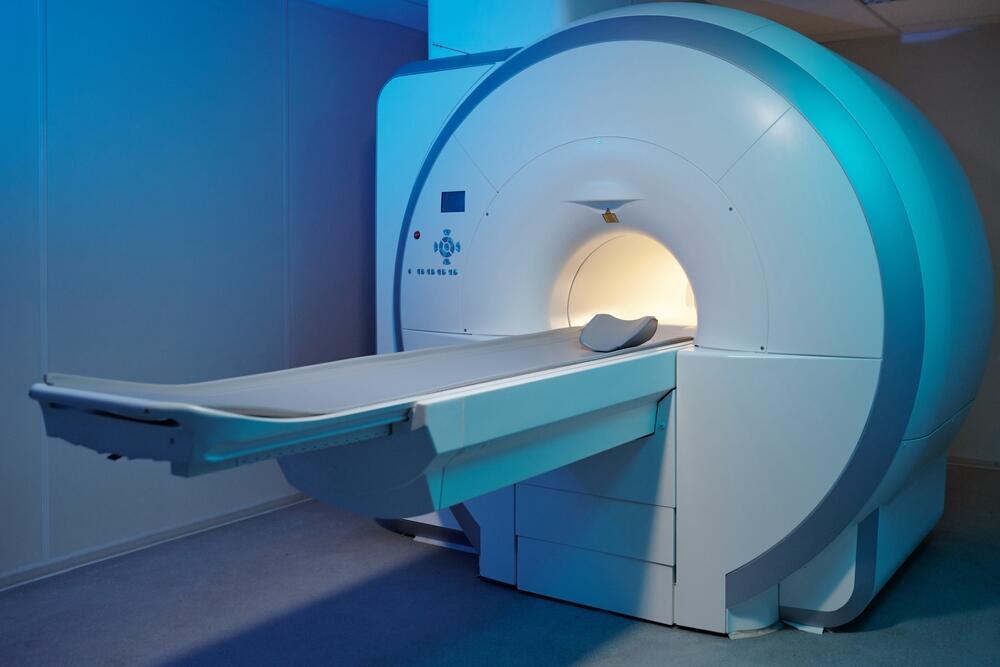
The Health Ministry also published for the first time a report on MRI waiting times
(Photo: shutterstock)
The longest average waiting time was recorded for breast MRI scans, at 66.6 days from physician referral to completion. Waiting times for abdominal and pelvic MRI scans were also relatively long, averaging 65.5 days.
The Health Ministry emphasized that when an outpatient MRI is urgently needed, such as for cancer patients, health funds are able to create an expedited pathway, including waiving prior approval requirements and/or the need to obtain a payment authorization form from the health fund. Such cases were not included in the waiting-time calculations, meaning the measured waits may be longer than the actual situation.
Geographic gaps in MRI access
The report also points to geographic disparities. In 2025, 94% of Jerusalem residents underwent their MRI scan in their district of residence, compared with 65% of residents in northern Israel and only about 50% of residents in the central region, the country’s most populated area.
In other words, half of central Israel residents had to leave their district to undergo the examination.
In the southern district, about 75% of residents underwent the scan in their area of residence. However, the Health Ministry noted that in some cases, even when a scan was not performed in the patient’s district, it was performed in a nearby district, such as the Central and Tel Aviv districts or the Northern and Haifa districts.
According to the report, the average waiting time from physician referral to MRI completion at Clalit Health Services was 63.7 days. Clalit also performed the largest number of MRI scans, with 281,303 scans in 2025.
The average wait at Maccabi was about 50 days, at Leumit 46.4 days and at Meuhedet 35.5 days.
This means a Clalit member waits on average nearly twice as long for an MRI scan as a Meuhedet member.
The longest wait at Clalit was recorded among children aged 0-14, who waited an average of 71 days from physician referral to the scan. The same trend appeared nationwide: Children and adults aged 65 and older had the longest average waits, at 62 and 58 days respectively.
The Health Ministry said this is likely because many MRI scans for children require anesthesia and coordination with an anesthesiologist.
The shortest average wait was recorded among teenagers and young adults aged 15-24, at 48.9 days.
The good news
The good news is that, internationally, Israel ranks very well compared with other countries.
For all five types of elective surgeries reported to the OECD — cataract surgery, prostate removal, hysterectomy, hip replacement and knee replacement — waiting times in Israel are significantly shorter than in other developed countries.
The largest gap is in knee replacement surgery, where the median waiting time in Israel is 70 days, compared with 199 days in OECD countries.
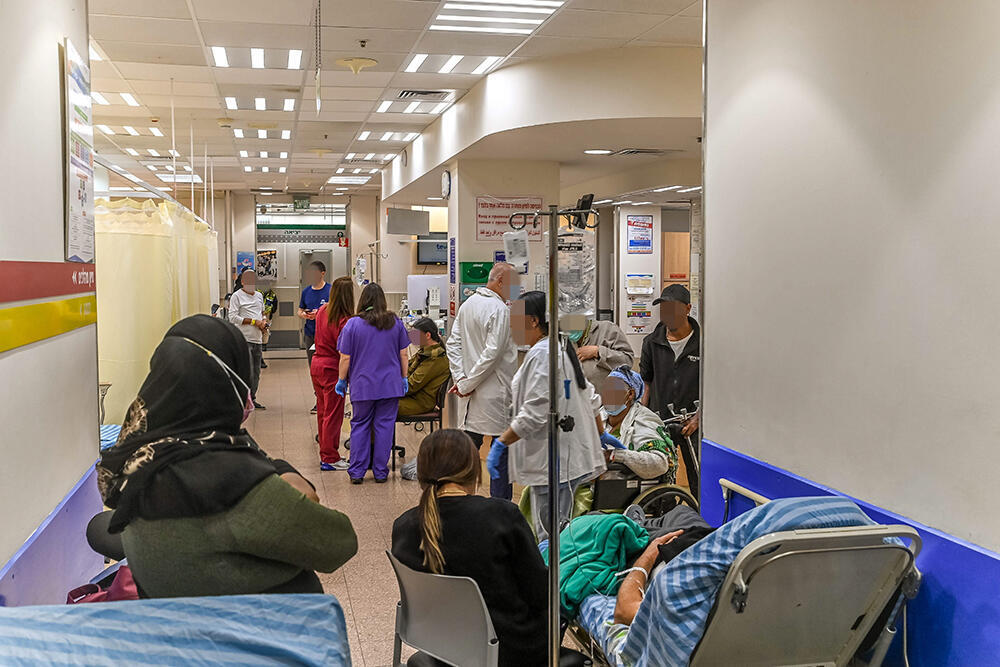
The good news is that, internationally, Israel ranks very well compared with other countries
(Photo: Chaim Hornstein)
The median wait for cataract surgery in Israel is 50 days, compared with 68 days in OECD countries.
The Health Ministry noted that the gap in Israel’s favor may be even larger in practice, because some OECD countries include privately funded surgeries in their reports, while the Israeli report currently refers only to procedures performed in public institutions.
Israel demonstrates global efficiency in MRI use
A similar picture emerges from a comparison of MRI waiting times between Israel and other countries.
A comparison of Israel’s nationwide median waiting time with countries that operate public health systems, including Canada, Sweden and Norway, shows that Israel has relatively short waiting times despite having significantly fewer MRI machines per million residents.
In other words, Israel has high efficiency and utilization rates for its MRI equipment.
"The publication of these figures is intended to guide policy and draw attention to the issue," Health Ministry Director-General Moshe Bar Siman Tov said.
"We have dedicated programs in the ministry to shorten waiting times. These figures allow us to identify where we need to direct resources and improve. We are all here because of our public mission and for the patients.
"We are very proud of the health system and its achievements, but an excellent system is one that knows how to look honestly and critically at its achievements, as well as at the areas where it needs to improve.
"There are excellent managers throughout the system, and when they receive the data and see their performance compared with other institutions, it creates, by itself, significant motivation for improvement."
Responses
Dr. Sharon Kamah, deputy director of Carmel Medical Center, responded to the report on surgical waiting times:
"The report reflects activity in 2024 and the period between the decision to operate in the hospital’s outpatient clinic and the performance of the surgery. We take the data seriously.
"In several fields, including cataract surgery, some general surgery procedures, orthopedics and some ear, nose and throat surgeries, the waiting times measured at Carmel are longer than desired. We are working to reduce them by expanding activity, improving waiting lists and increasing operating room utilization.
"At the same time, Carmel shows good waiting times for thyroid surgeries and excellent waiting times for breast surgeries, where the median wait was 15 days and no patient included in the measurement waited more than 90 days.
"To improve availability in all necessary areas, we are implementing processes for scheduling based on clinical need, and we have initiated a process to plan expansion and more precise allocation of operating room capacity — including the use and outsourcing of operating rooms outside the hospital — in order to meet the growing demand for surgeries as much as possible.
"In addition, the hospital is incorporating innovation into surgical scheduling and improving the management of surgery queues, including a project that recently won Clalit’s flagship innovation competition for personalized scheduling of cataract surgery candidates.
"We will continue to operate transparently and publish improvements in the metrics."
HaEmek Medical Center said in response: "HaEmek Medical Center serves more than 700,000 residents and is undergoing significant development amid growing demand.
"With the expansion of the oncology system, we prioritize urgent surgeries for the removal of cancerous tumors.
"In 2025, we opened a new fortified surgical wing, and in the coming months we will open additional operating rooms.
"Increasing infrastructure capacity by 40% will lead to a significant and immediate improvement in appointment availability for our patients."