

We all know hormones affect every cell in our bodies. We’ve seen the effects of rising hormone levels during adolescence, and of declining levels later in life, such as during menopause. Hormonal imbalances can harm not just the body, but also the mind. Teenagers and menopausal adults alike often experience mood swings and depression as a result.
Paradigm, one of Silicon Valley's fascinating startups, is tackling this complex issue by developing a groundbreaking device that could transform how we manage our health. Paradigm's team which includes physicians and health experts, argues that cortisol has more impact on the body than any other hormone.
Their goal is to produce a home-use cortisol monitor, similar to a glucose meter for diabetics, allowing people to track and regulate their cortisol levels to improve overall health.
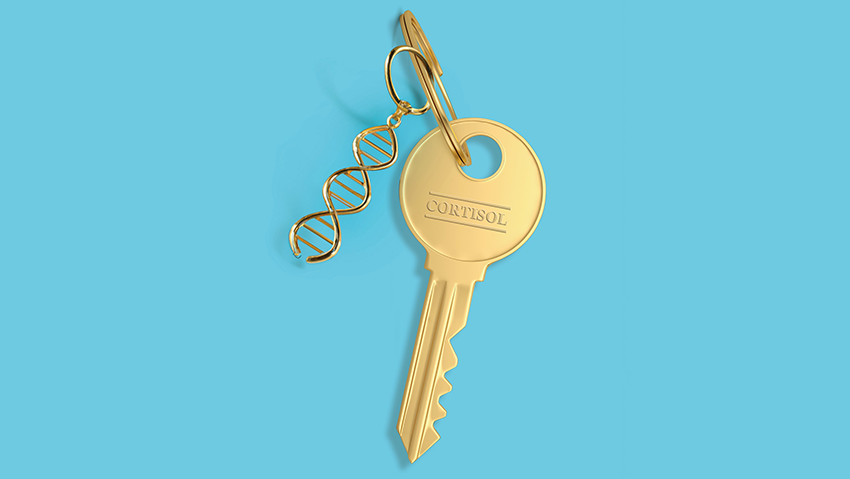
Cortisol, known as the “stress hormone”, helped our evolutionary ancestors survive immediate threats, like escaping a wild animal, by rapidly increasing blood sugar and blood pressure, supplying the energy and alertness needed to flee danger. But today, studies show cortisol is also released in response to everyday stressors, such as financial worries, health anxieties, workplace tension, political turmoil, or even climate change.
The vicious cycle of stress and weight gain
Cortisol plays many roles: regulating blood pressure, supporting the immune system, and managing metabolism of proteins, sugars and fats. It raises blood sugar by breaking down the body’s sugar reserves when the “alarm system” is triggered.
The problem arises with chronic stress. When cortisol remains elevated in the bloodstream for too long, it can damage cells and disrupt key biological processes.
According to the researchers behind Paradigm’s cortisol project, high cortisol levels are a major contributor to the obesity epidemic in Western society. The hormone’s imbalance is also linked to infertility, insulin resistance, sleep disturbances, depression and heart disease.
Research shows that people under chronic psychological stress who are overweight often struggle to lose weight and are more likely to regain it afterward. The underlying mechanism creates a self-reinforcing loop: stress leads to emotional eating, which increases stress and further elevates cortisol.
As cortisol levels rise, cravings for comfort food intensify. The researchers believe this vicious circle can be broken only by treating the root cause, which is restoring cortisol balance.
The device has not yet hit the market, but the researchers have compiled their findings in a U.S. book, "Cortisol: The Master Hormone," written and edited by Dr. Ioana Bina, a gastroenterologist and nutrition expert who leads the project. The book offers advice on managing cortisol levels in today’s high-stress world, even without a home test.
Here are the experts' key recommendations:
1. Think twice before arguing in line at the supermarket
We’re constantly bombarded with stress-inducing information, making it hard to manage our psychological state. But not every stressful situation is worth engaging in. Frequent spikes in cortisol levels disrupt hormonal balance throughout the body, affecting our weight, health and even the aging process. So next time you’re tempted to argue in the checkout line, for example, remember it may cost you in cortisol. Some stress is unavoidable, but much of it can be prevented.
2. Take a vacation
Relaxation techniques like meditation, yoga and writing have been shown to lower stress and cortisol levels. But even simpler strategies like taking a break from daily tasks can be effective. Research shows that vacations and time off from work reduce cortisol and improve overall well-being.

Vacation reduces cortisol levels
(Photo: shutterstock)
3. Exercise, but in moderation
Physical activity helps regulate cortisol, but experts warn against overdoing it. Intense workouts can actually spike cortisol levels. Moderate exercise is best, and it's also better to work out in the morning or afternoon. Evening exercise can raise cortisol and interfere with sleep.

Intense workouts can spike cortisol levels
(Photo: Shutterstock)
4. Get proper sleep
Sleep plays a critical role in recovery and in balancing cortisol levels. If you want to regulate your cortisol, you need quality sleep, ideally 7-8 hours per night. Poor or insufficient sleep puts the body into a state of stress, which in turn triggers increased cortisol secretion throughout the day and night.
Studies show that people with chronic sleep issues, such as waking in the middle of the night or suffering from insomnia, tend to have higher daytime cortisol levels. According to researchers, this may be because the body tries to stay more alert to fight fatigue. However, elevated cortisol can itself disrupt sleep, creating a harmful cycle of fatigue and insomnia.
To break this cycle, the researchers recommend establishing and maintaining a consistent sleep routine. Go to bed before midnight, ideally by 10 p.m., and wake up at the same time every day, including weekends. Additional tips for a more restful night include:
• Cool the room: Open a window or use air conditioning. Studies show deeper sleep occurs in cooler environments. The room shouldn't be cold, but it also shouldn’t be too warm.
• Dim the lights: In the evening, gradually lower the lighting to signal your body to produce melatonin, the sleep hormone. Sleep in total darkness, without glowing electronic devices. Avoid screens for at least an hour before bedtime.
• Ditch the alarm clock: Most people wake to an alarm, which triggers a stress response. If possible, go to bed earlier and try waking naturally to reduce morning stress, particularly since cortisol levels peak around 8 a.m.
• Get morning sunlight: If you struggle with sleep, your biological clock may be off. A simple fix is to step outside in the morning sunlight for about 10 minutes, without sunglasses, to get natural light. This will also boost your mood and reduce stress during the day.
• Avoid daytime naps: If your nighttime sleep is poor, resist the urge to nap, also on weekends. Stick to nighttime sleep so your biological clock functions properly and thus prevent rise in cortisol levels.
Did you know? Cortisol levels naturally peak in the morning, around 8 a.m., and gradually decline throughout the day. They reach their lowest point around midnight, just before or during deep sleep.
5. Try stabilizing your blood sugar
One of cortisol’s primary roles is to prevent blood sugar from dropping too low. If you are prediabetic or diabetic, your baseline cortisol levels are likely higher, meaning you need to work harder to keep them in balance. The researchers recommend these steps:
• Avoid low-fat diets: Research shows that low-fat diets can disrupt cortisol balance. Instead, so you should aim for a diet with about 30% of calories from healthy fats, such as those in avocados, olives, flaxseeds, walnuts and coconut oil.
• Shorten your eating window: Intermittent fasting (ideally 16:8), where you eat only during an 8-hour window, is effective. If that's too difficult, start with a 12-hour window (8 a.m. to 8 p.m.). Intermittent fasting reduces insulin levels and helps stabilize cortisol.
• Follow a Mediterranean diet: This diet includes vegetables, fruits, legumes, nuts, fish (especially those rich in omega-3s) and limited meat. Studies show that these help reduce inflammation and regulate cortisol levels.
• Increase fiber intake: Fiber is essential for regulating both blood sugar and cortisol. Aim for at least 25 grams to 35 grams per day, found in legumes, whole grains, fruits and vegetables.
• Eat probiotic-rich foods: Research indicates that probiotics help lower cortisol. Add fermented foods like yogurt, kefir, homemade pickles, sauerkraut or kimchi to your diet. Commercial pickled vegetables often lack live probiotics.
• Add vinegar to your meals: New studies consistently show that vinegar can lower blood glucose and cortisol levels. While not everyone enjoys its taste, a spoonful blended in water or as a salad dressing can be effective, especially before high-carb meals. Use a straw to protect your tooth enamel.
• Finish with dark chocolate: Chocolate with at least 80% cocoa solids can help balance cortisol. It's rich in magnesium and polyphenols, both shown to positively impact cortisol levels.