

In an era when everyone talks about biohacking, exotic supplements and apps that promise to “extend life,” most people still ask the same simple question: What matters more for living long and well, good sleep, healthy eating or exercise?
The good news, and the less sexy truth, is that there is no single magic bullet. Longevity medicine is about combining several pillars, not crowning one factor as the key to a long life.

Looking at major global data, it is possible to say, carefully, what is probably most critical and where people fall for dangerous myths. Here are three common myths, and the reality behind them.
Myth 1: 'I will sleep less and get more done'
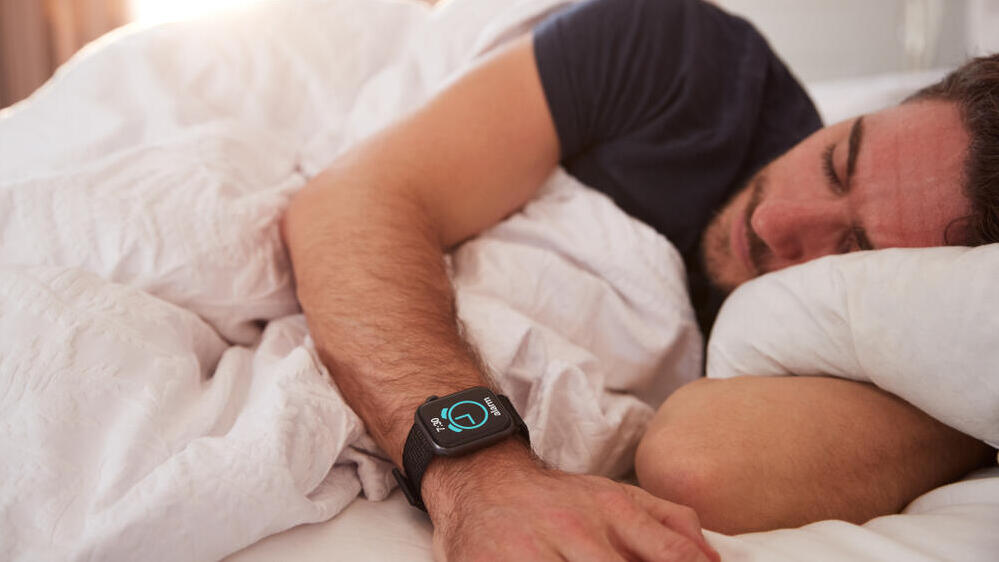
One line I hear constantly in the clinic is, “I do fine on five hours of sleep.” The problem is that your body is not convinced. Large studies show a U shaped link between sleep duration and mortality. Too little sleep, less than six hours, and very long sleep, more than nine hours, are both associated with higher risks of heart disease, diabetes and even premature death.
In recent years, researchers have also found that sleep regularity matters no less than sleep quantity. One study of more than 60,000 participants found that inconsistent bed and wake times predicted early death more strongly than the number of hours slept.
(Photo: Shutterstock)
What does that mean in practice?
Aim for seven to eight hours of sleep most nights. Try to go to bed and wake up at similar times, even on weekends. Get daylight exposure in the morning and cut back on screens before bed. Both help reset the body’s clock.
Bottom line: Sleep is not “wasting time.” It is one of the best investments you can make in a longer, healthier life.
Myth 2: 'If I did not do an hour at the gym, it does not count'
For many people, exercise is all or nothing. Either a gym membership and 10,000 steps a day, or nothing. But the data tell a very different story.
Meta analyses and large scale studies show that even meeting the modest guideline of about 150 minutes a week of moderate aerobic activity, such as brisk walking, significantly lowers mortality risk, and the benefit holds at almost any age. Recent studies also broke another major myth. You do not need 10,000 steps a day. Among older women, even 4,000 steps a day, one or two times a week, were linked to a 25% to 40% drop in risk of death from any cause.
And it is not only about volume. Another study found that short bursts of activity, even one minute of intense effort, like taking stairs or running for the bus, repeated a few times a day, were tied to a meaningful reduction in mortality.
Bottom line: You do not need a marathon. You just need to move. Every day, even in small ways.

(Photo: Shutterstock)
Myth 3: 'Everything starts and ends with the right diet'
Media coverage of nutrition almost always jumps from trend to trend, keto, intermittent fasting, the next miracle diet. In research, the picture is much steadier. A Mediterranean eating pattern rich in vegetables, fruit, legumes, fish and olive oil, and low in ultra processed foods, is consistently linked to lower overall mortality and lower death rates from heart disease, cancer and degenerative illness.
Large studies tracking women for up to 25 years found that those who adhered more closely to a Mediterranean pattern had a lower risk of death from any cause. When that diet is combined with moderate weight loss and physical activity, a large Spanish study showed a 31% reduction in the risk of developing type 2 diabetes among people already at risk.
Bottom line: It matters less whether you call yourself “vegan,” “keto,” or “intermittent fasting.” It matters more how many vegetables, fibers, healthy fats and minimally processed foods are on your plate over time.

(Photo: Shutterstock)
So what actually helps us reach 100?
If you ask science rather than clickbait headlines, the answer is simple and a little disappointing: the combination.
There are hints that physical activity may be the single most powerful element. A massive study of more than two million adults found that following recommended activity levels reduced mortality risk more than most other modifiable factors.
But without regular sleep, the body recovers less well from effort. Without good nutrition, muscles, the brain and blood vessels do not get the raw materials they need to “repay the investment.”
If I had to give one simple formula for boosting your odds of reaching 100 in good health, it would look like this:
- Seven to eight hours of sleep, consistently. Move every day, walking, stairs, any effort that raises your heart rate. Eat mostly simple, unprocessed food, Mediterranean style.
- No app has yet changed our biological trajectory the way these three habits can. They are not flashy and not new, but today they are the closest thing we have to a real longevity “medicine.”