


A child who talks freely at home may suddenly fall silent in kindergarten. Another may begin refusing to go to school. Others may withdraw from friends, struggle to sleep or return to behaviors they had long outgrown.
For parents after aliyah, it can be difficult to know what is part of adjusting to a new country and what may signal that a child needs additional support. Developmental psychologist Nufar Bar Lipshitz says the key is to look beyond the behavior itself and consider what may be driving it.
My child is struggling after aliyah: What parents can do
(Video: Yaron Sharon)


Bar Lipshitz evaluates and treats infants and young children and guides parents through developmental and emotional challenges. She works at the Child Development Institute in Afula and treats patients through Clalit Health Services in Beit She'an, alongside running a private clinic.
For children adapting to life in Israel, difficulties with language, school and social situations can sometimes reflect anxiety they are not yet able to explain.
My child talks at home but not at school. Why?
One challenge parents may encounter after aliyah is selective mutism, in which a child speaks comfortably in one setting but becomes unable to speak in another. A child may, for example, talk fluently at home but freeze upon entering kindergarten.
For an oleh child, parents may naturally assume the problem is Hebrew. But Bar Lipshitz says that is not always the case. A child may know enough of the language to communicate but become too anxious to use it in a particular setting.
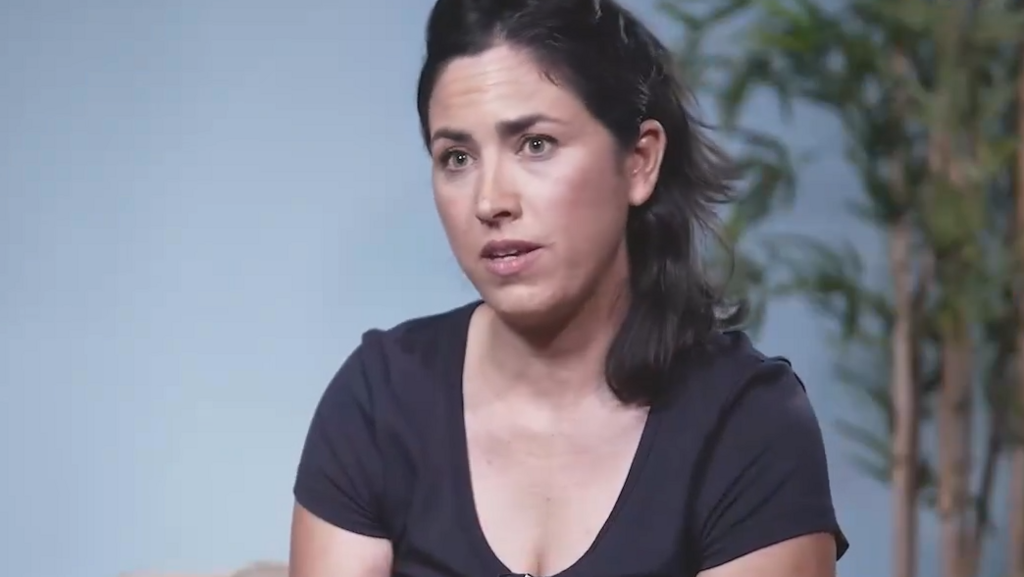
The distinction matters because pushing harder for speech can add to that anxiety. “We won’t put pressure on a child to speak,” she said. Instead, adults can help the child communicate in ways that feel manageable, including nonverbal communication at first, while gradually building confidence.
Don’t push. Start with baby steps
Bar Lipshitz describes the process as a ladder. “What we tell parents is baby steps,” she said. “One step at a time.”
A child who cannot speak in front of a teacher or classmates might first whisper an answer to a parent. Once that feels comfortable, the next step can follow. The goal is not to force speech but to gradually increase the child’s confidence. Small successes can help without turning communication into another source of pressure.
What if my child refuses to go to school?
School refusal can also be misunderstood. A child may repeatedly resist going to school or struggle to enter the classroom. From the outside, that behavior can be interpreted as disobedience or a disciplinary problem.
Bar Lipshitz cautions parents and schools against stopping at that explanation. Sometimes, she says, anxiety is underneath the refusal. “If we treat it as a behavioral problem, we won’t help them,” she said.
What if my child refuses to go to school?
(Video: Yaron Sharon)
That is particularly important for children who have recently moved countries. They may be entering a school where they do not fully understand the language, social codes or classroom routines, while their classmates may already have established friendships.
Punishing or isolating a child for refusing school can therefore deepen the problem if anxiety is the real cause. Instead, parents and educators need to understand what the child is finding difficult and determine what support will help them return to the school environment.
Watch for changes in behavior
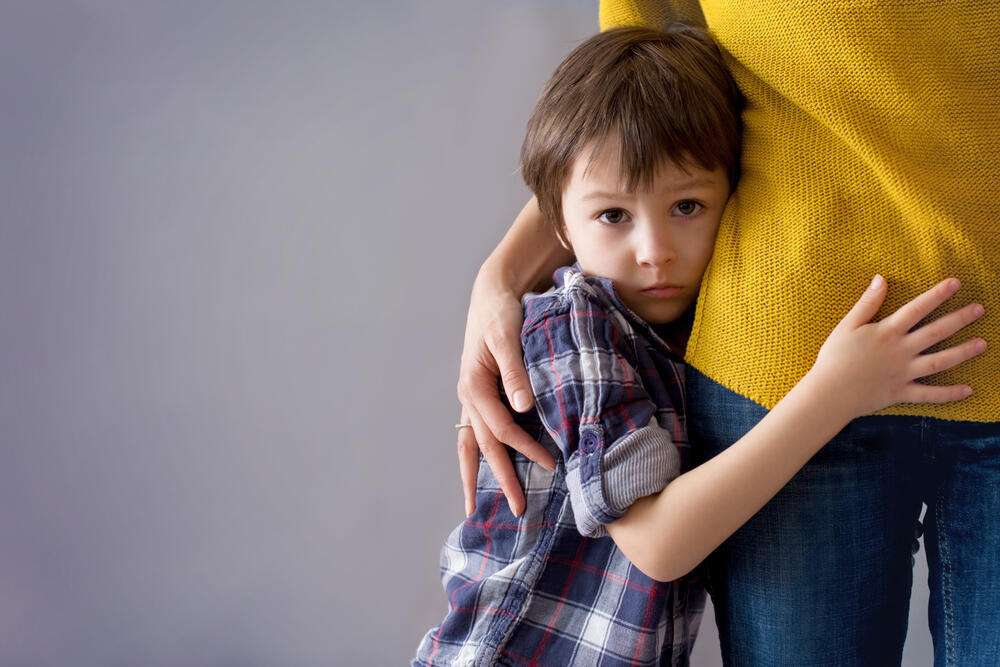
Children, especially younger ones, do not always have the words to say that they feel anxious, lonely or overwhelmed. After aliyah, distress may therefore appear through changes in behavior.
Bar Lipshitz says parents may notice withdrawal from friends, regression, sleep problems, changes in eating or renewed bedwetting. Some children may stop playing with peers or become much quieter than before.
(Photo: Shutterstock)
None of these signs on its own necessarily means there is a serious problem. Children adjust at different speeds, and moving countries is a major transition, but a significant change from a child’s usual behavior, particularly one that persists or affects daily life, deserves attention.
Instead of asking only, "How do I stop this behavior?" parents can also ask, "What is my child trying to communicate through it?"
Should we keep speaking our home language?
Parents eager for their children to learn Hebrew may wonder whether they should begin using it at home as much as possible. Bar Lipshitz advises families not to abandon the language their child already knows.
The home language is also part of a child’s identity and their connection with parents, relatives and the culture they came from. Learning Hebrew does not need to come at its expense.
Should we keep speaking our home language?
(Video: Yaron Sharon)
Her approach is to “keep both,” preserving the home language and culture while also embracing the new language and culture.
The long-term goal is for a child to become bilingual and bicultural, able to feel comfortable in Israel without feeling that adapting requires giving up where they came from.
How should I explain war and sirens?
Aliyah to Israel can also introduce children to a security reality they may never have experienced. Bar Lipshitz recommends talking to children about war and sirens before they encounter the subject unexpectedly through classmates or their surroundings.
How should I explain war and sirens?
(Video: Yaron Sharon)
The explanation should be simple and appropriate to the child’s age. Children should know what a siren means, where they are supposed to go and which trusted adult will be with them.
Giving a child a small role can also help make the situation more predictable. Knowing what to do, rather than simply being told not to worry, can provide a sense of control in an unfamiliar situation. The aim is not to overwhelm children with information, but to give them enough to understand what is happening and how the adults around them will help keep them safe.
Give the child time to adjust
Parents making aliyah often want their children to settle quickly. They want them to learn Hebrew, make friends, enjoy school and feel that Israel is home.
But trying to accelerate that process can sometimes create additional pressure. For a child, adjustment involves much more than acquiring a new language. They are learning a new school culture, new social expectations and new ways of communicating, while also processing what they left behind.
(Photo: Shutterstock)
Bar Lipshitz’s advice is to make the process gradual. That can mean accepting nonverbal communication for a time, celebrating small steps rather than demanding immediate results and working with teachers so that the child is supported rather than singled out.
The aim is not simply to make the difficult behavior disappear. It is to help the child feel safe enough that the behavior is no longer necessary.
When should parents seek help?
Parents do not have to navigate these challenges alone. If withdrawal, regression, sleep difficulties, school refusal or problems communicating become persistent or begin interfering significantly with a child’s daily life, Bar Lipshitz recommends seeking professional guidance.
She says families can turn to health care providers such as Clalit for psychological advice. According to Bar Lipshitz, Clalit also provides three phone consultations for families seeking psychological guidance. Language should not prevent parents from asking for help. If the professional answering the call does not speak English, she says parents can request that an English speaker call them back.
For families building a new life in Israel, recognizing that a child is struggling does not mean the aliyah has failed. The transition can place children in situations they have never had to navigate before, often without the language to explain what they are feeling. For parents, the most useful response may be to slow the process down, look beneath the behavior and help the child move forward one manageable step at a time.
- In cooperation with Clalit Health Services