

Abdul El-Sayed, the Democratic nominee for U.S. Senate in Michigan, apologized to the state’s Jewish Democratic Caucus for comments he made after an attack on a synagogue in March, which he tied to Israel’s actions in the Middle East.
“My comments may have been misconstrued to justify something I did not mean to justify,” El-Sayed told reporters after he addressed the caucus at a party convention in Lansing on Saturday. “To anyone who feels like my comments might have been hurtful, I’m really sorry. That was not my intention.”
Gallery
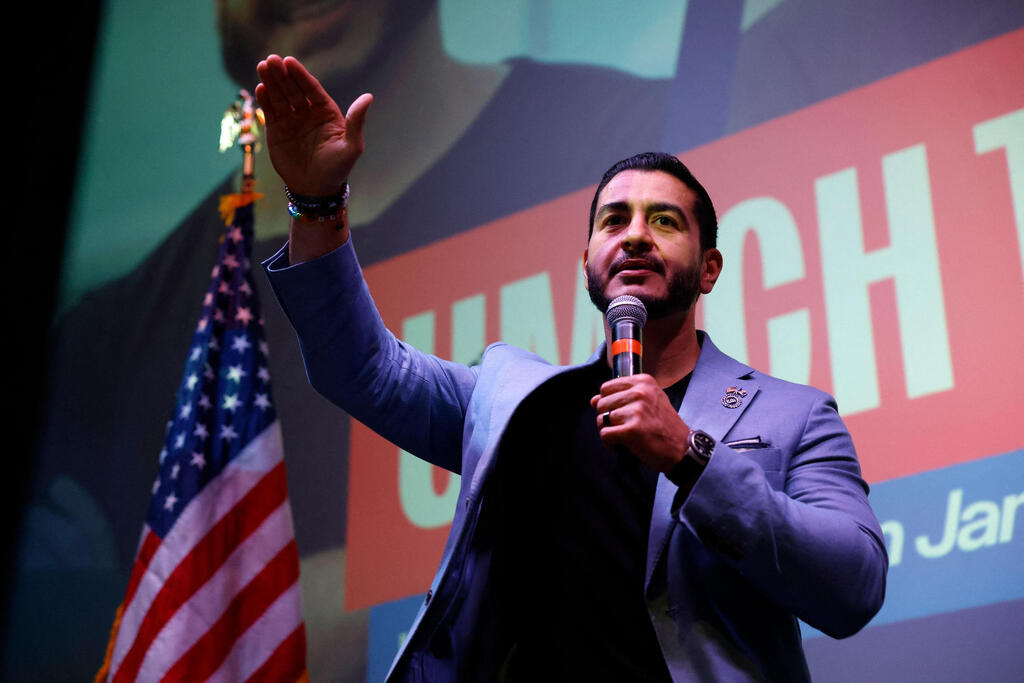
US Democratic Senate candidate from Michigan Abdul El-Sayed speaks during a Student Meet and Greet in Ann Arbor, Michigan
(Photo: Jeff Kowalsky/ AFP)
El-Sayed’s apology was his latest attempt to unify Democrats after a bitter primary where he defeated U.S. Rep. Haley Stevens. He’s eager to push past a series of controversies involving allegations of antisemitism, including his association with controversial commentator Hasan Piker. He faces Republican nominee Mike Rogers in a race that will help determine control of the Senate.
In March, a man attacked Temple Israel synagogue in a Detroit suburb, ramming his car into the building and opening fire on a security guard before dying by suicide. The man, Ayman Mohammad Ghazali, had lost four relatives in an Israeli airstrike on Lebanon the week prior, a fact that had been used to excuse his attack.
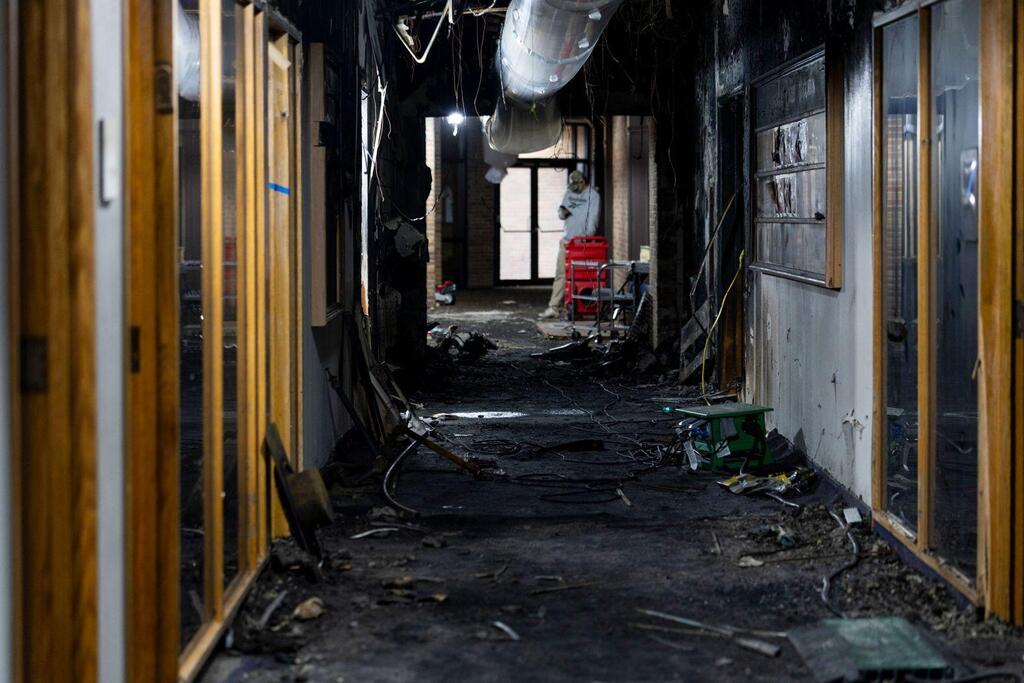
A hallway of the synagogue after the attack
(Photo: Emily Elconin, Temple Israel)
In a video response at the time, El-Sayed condemned the attack and added that “hurt people hurt people,” a reference to what happened to Ghazali’s family. Critics accused El-Sayed of justifying Ghazali’s actions.
“What I was trying to do was offer context for why it happened, but it wasn’t the time for context,” El-Sayed said on Saturday, “and you don’t ever want to trample somebody’s pain.”
El-Sayed has accused Israel of “apartheid” and “genocide,” called the Israeli government as “evil” as Hamas and demanded an end to all U.S. assistance to Israel.
He also has angered members of Michigan’s Jewish community after rejecting Israel’s right to exist as a Jewish state, arguing that such a definition was fundamentally incompatible with liberal values.